
1. Sputnik Light Fixtures
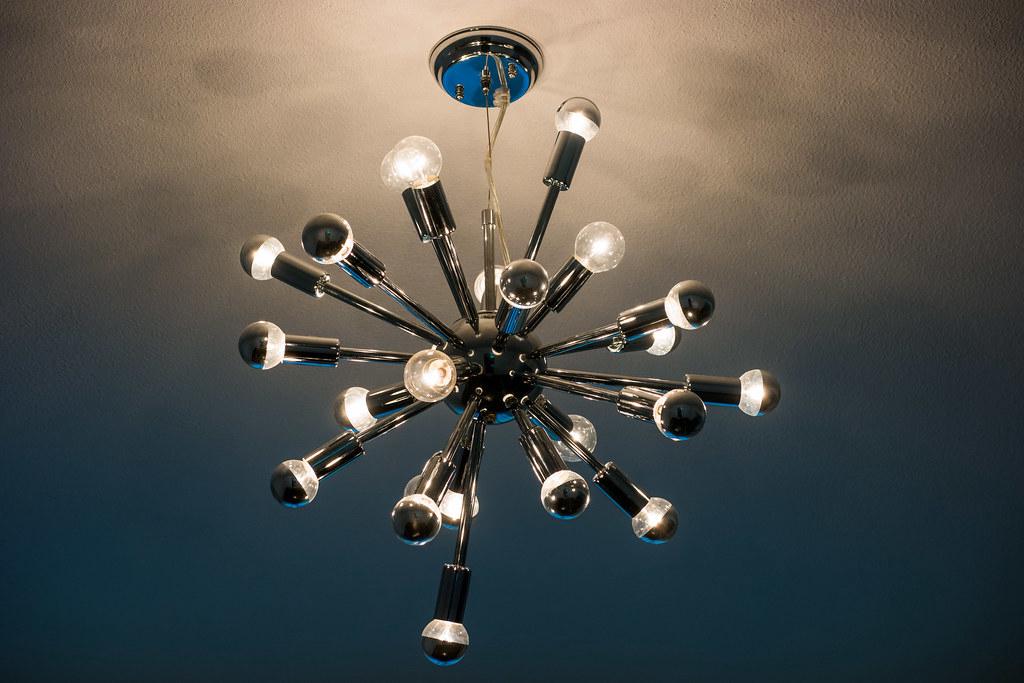
Sputnik light fixtures were a standout feature of 1950s decor. These eye-catching lamps resembled miniature satellites, with metallic arms and light bulbs jutting out in all directions. Suspended from chrome-plated hardware, they cast light across rooms like twinkling stars.
These fixtures weren’t just about looks. They were great conversation starters at parties, sparking chats about science fiction and space exploration. With a Sputnik lamp, your living room could feel a bit like mission control – minus the actual rockets, of course.
2. Boomerang-Shaped Furniture
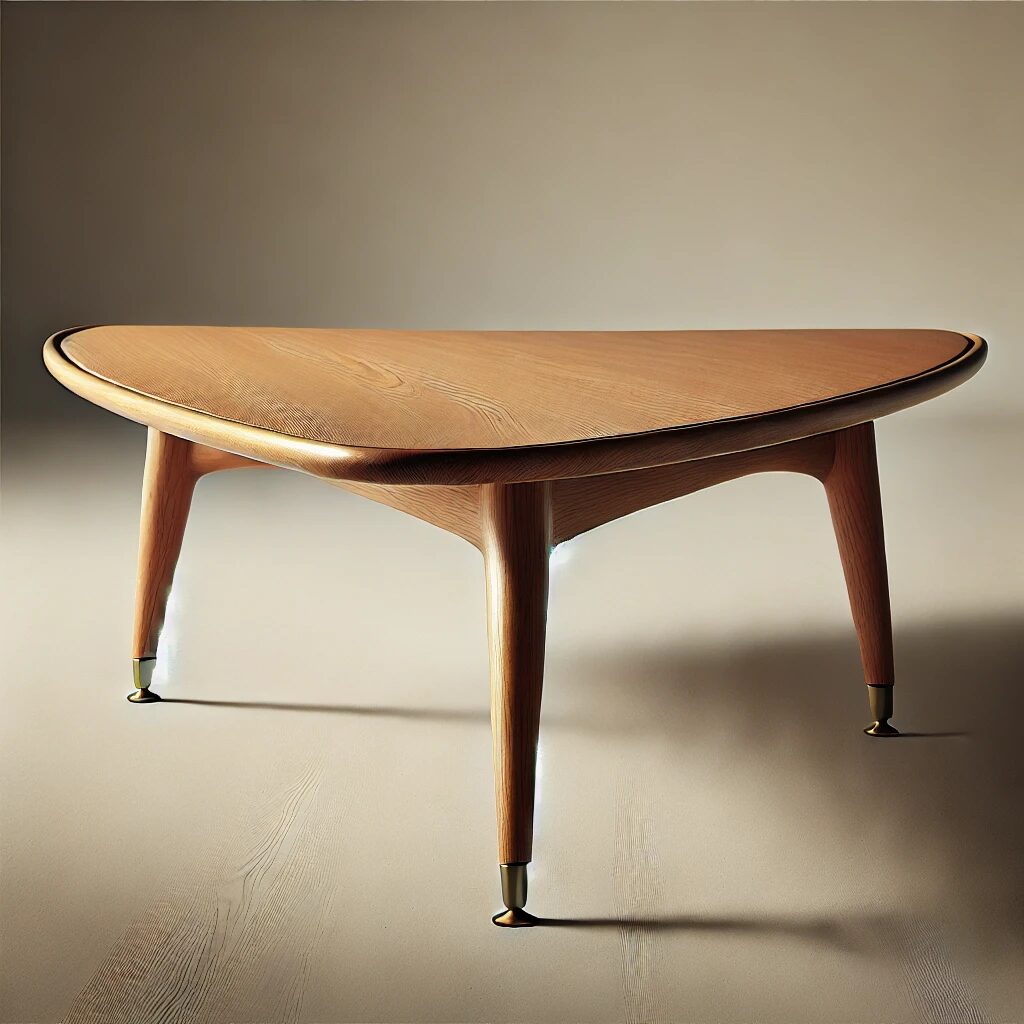
Boomerang-shaped furniture brought a touch of whimsy to 1950s homes. Coffee tables, countertops, and even stools took on curved, aerodynamic forms that seemed ready to take flight. These pieces weren’t just functional – they were conversation starters that livened up any room.
Crafted from materials like plywood or laminate, boomerang furniture came in vibrant colors that added to its retro charm. Reds, blues, and whites turned ordinary corners into mid-century masterpieces. The playful curves of these pieces reflected the era’s fascination with speed, movement, and progress.
In the kitchen, boomerang countertops made meal prep more exciting. The dynamic shapes spilled over into every part of the house, bringing a sense of optimism and fun to daily life.
3. Vibrant Color Palettes
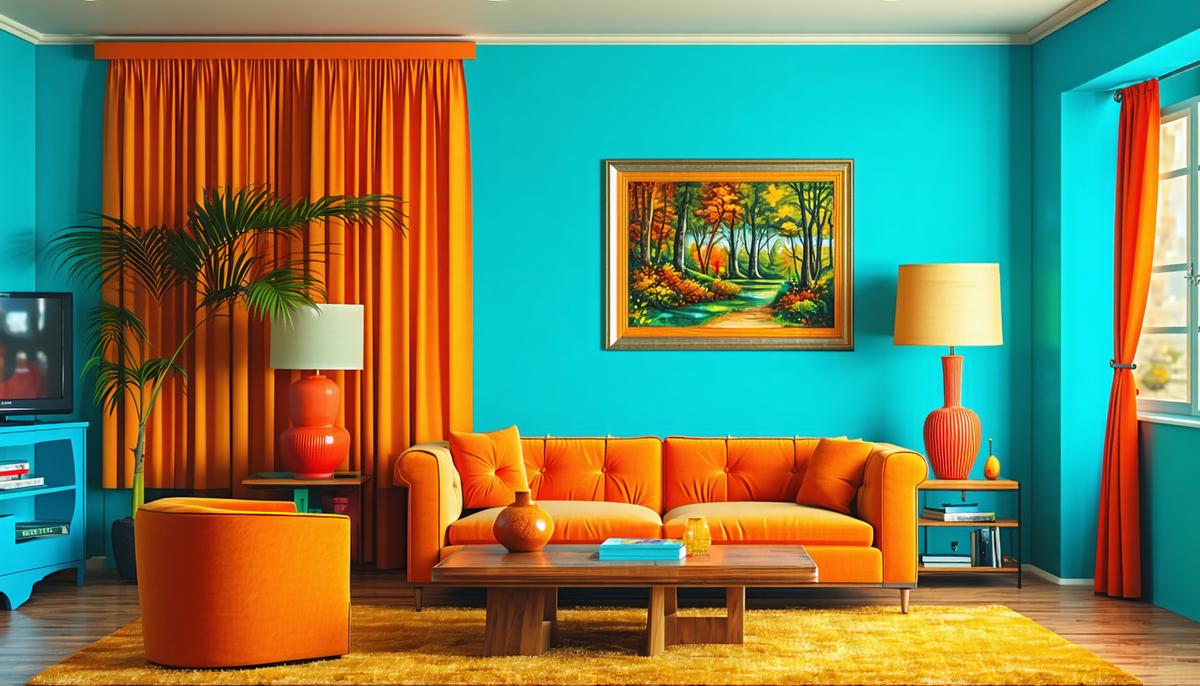
The 1950s said goodbye to beige and hello to bold, vibrant colors. Walking into a room was like stepping into a kaleidoscope. Electric blues, fiery oranges, and vivid greens weren’t just colors – they were statements of confidence and enthusiasm.
Mixing strong hues was an art form. Consider these daring combinations:
- Coral pink walls paired with lemon-yellow curtains
- Kitchens flaunting cabinets in lively teals
- Metallic accents complementing bold primary colors
These color combinations didn’t just fill a room – they filled it with optimism. The result was a playful dance between retro charm and space-age excitement, perfect for everything from dinner parties to cozy family nights in.
4. Starburst Motifs
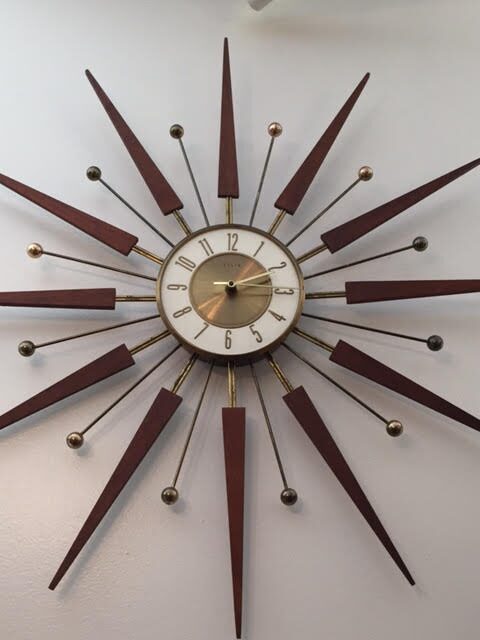
Starburst motifs were everywhere in the ’50s, turning homes into cosmic showcases. These gleaming designs exploded across wallpapers, dishware, and more, like tiny frozen fireworks. They were a nod to the era’s fascination with space and the future.
The starburst pattern found its way into various home elements:
- Starburst-patterned plates made even simple meals feel special
- On walls, the radiant designs mesmerized visitors and inspired children’s imaginations
- Fabrics featuring starbursts added personality to curtains and couches
- Subtle touches on cabinet knobs or penholders brought mid-century magic to everyday items
Whether bold or understated, these motifs captured the optimism and fun of the 1950s.
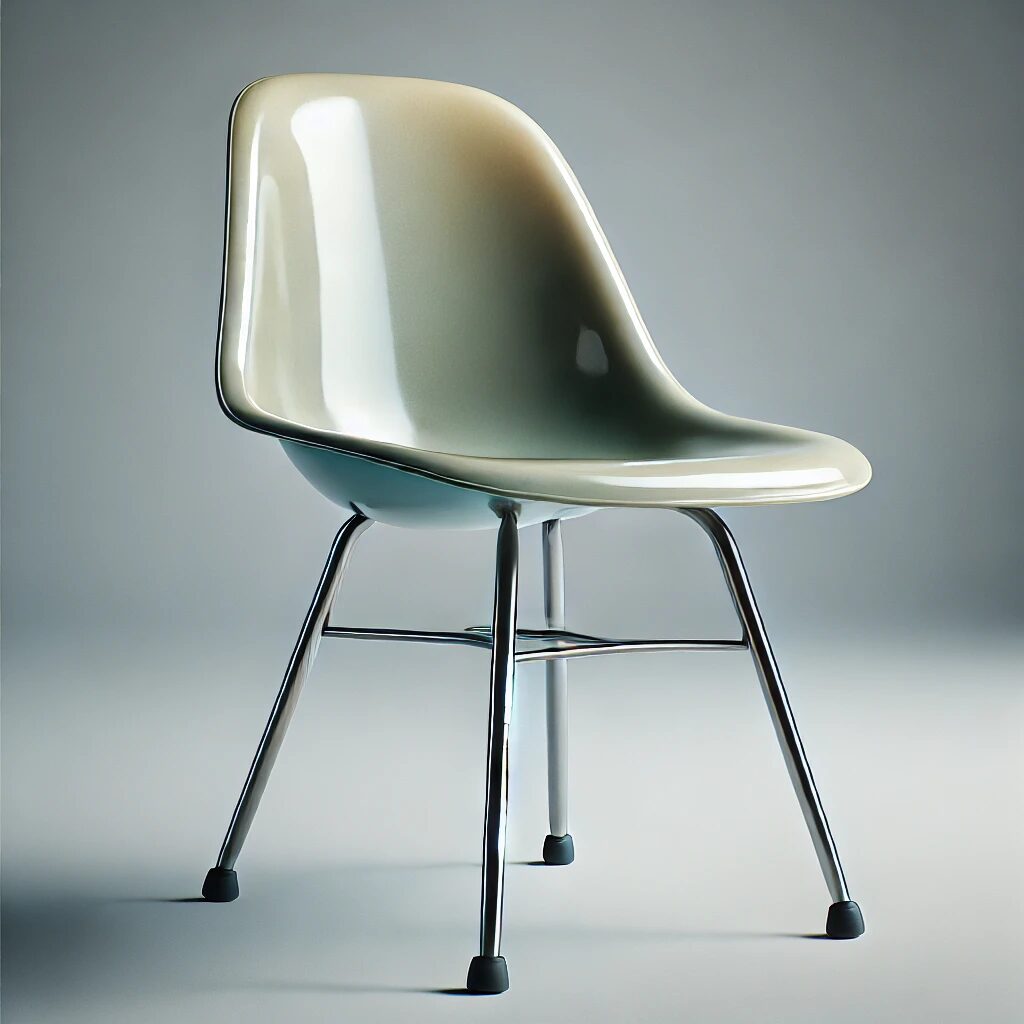
5. Sleek Fiberglass Furniture
Fiberglass furniture was the epitome of futuristic design in the 1950s. Chairs and tables made from this material looked like they’d stepped out of a sci-fi movie and into your living room. With smooth curves and glossy finishes, they turned lounging into an art form.
The magic was in the material itself. Fiberglass was:
- Light yet strong, allowing for bold, innovative shapes
- Available in a rainbow of colors, from vibrant oranges to cool aquas
- Comfortable, inviting people to sit back and dream of the exciting future ahead
These pieces weren’t just about looks, though. They represented a ticket to tomorrow, right in your own home. Fiberglass furniture wasn’t just a place to sit – it was a statement about embracing the future with style and comfort.
The 1950s home decor was all about embracing boldness and optimism. From Sputnik lights to fiberglass chairs, each element added a touch of adventure to everyday life. These mid-century marvels remind us that sometimes, looking back can inspire us to look forward with fresh enthusiasm.
- Wood A. Designed to Sell: The Evolution of Modern Merchandising and Display. New York: Routledge; 2020.
- Nelson G. Problems of Design. New York: Whitney Publications; 1957.
- Hine T. Populuxe. New York: Knopf; 1986.