
1. Milkman
In the 1950s, seeing a friendly milkman on his daily route was as common as a hula hoop spinning in the front yard. Picture this: early morning, the clinking of glass bottles neatly placed on your doorstep. The milkman, punctual and dressed in white, made sure families had fresh milk at the ready. His trusty delivery truck was as much a fixture in neighborhoods as those charming picket fences.
These days, with well-stocked supermarkets on every corner, the milkman’s route has disappeared like drive-in theaters on a rainy day. While once essential, the role has taken a backseat to modern convenience, leaving us with empty doorsteps and a nostalgic memory of simpler times.

2. Switchboard Operator
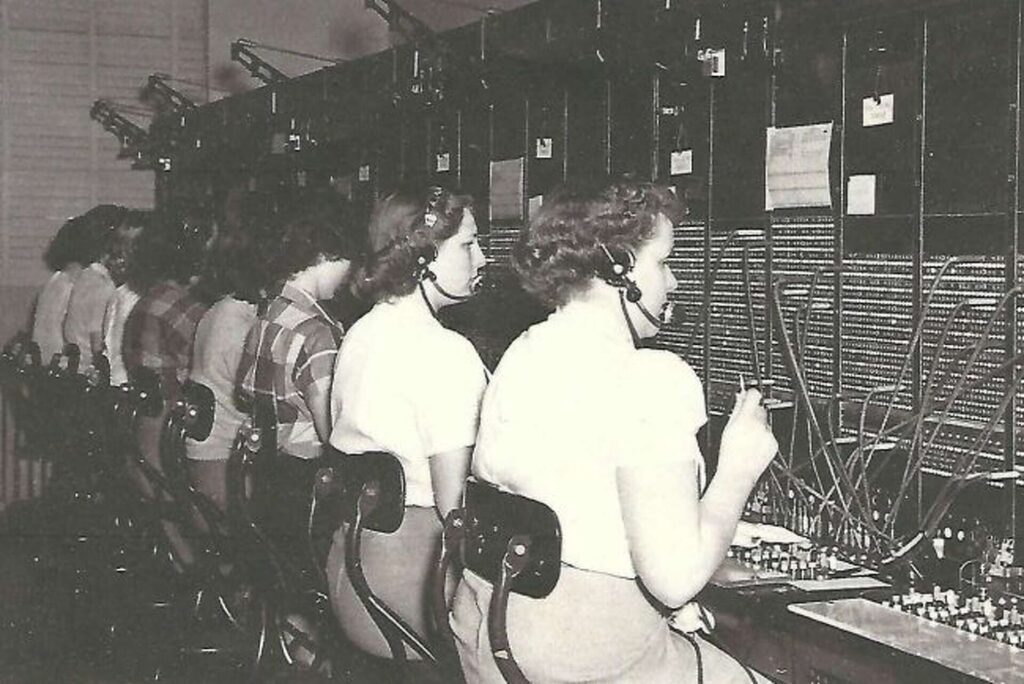
Imagine a time when making a call meant connecting with a real-life conductor of conversations. Switchboard operators were the maestros of telephonic communication. With a series of deft plug-ins and pull-outs, they could link you to anyone, transforming mere wires into pathways for words and emotions.
Picture them in their bustling exchanges, where the steady hum of voices was their constant backdrop. Their fingers danced across the board, facilitating everything from important business discussions to sweet nothings exchanged between lovebirds.
As technology advanced and automated systems spread, these human connectors slowly phased out. The once-busy exchanges grew silent, leaving us with voicemail prompts and impersonal beeps. While we enjoy the speed of today’s communication, there’s a charm to the days when switchboard operators directed the flow of their town’s conversations, connecting lives one call at a time.
3. Bowling Pinsetter
Bowling alleys in the 1950s were the epicenter of weekend fun. Long before buttons and levers took over, pinsetting was an art performed by energetic teenagers. These young pin boys (and sometimes girls) could be found sprinting down the lanes, deftly replacing fallen pins in a flash, and diving out of sight just in time for the next ball to whizz by.
- Demanded agility
- Required focus
- Needed impeccable timing
It was one of the coolest part-time gigs that often concluded with a free game or two.
Then came the hum of automation, as machines slid in to handle the pins. The teenager’s hustle gave way to whirring mechanisms, transforming the bowling experience. Today’s alleys buzz with modern innovations, but the image of a young pinsetter hustling through a busy Saturday night lingers in the minds of those who lived it.
4. Elevator Operator
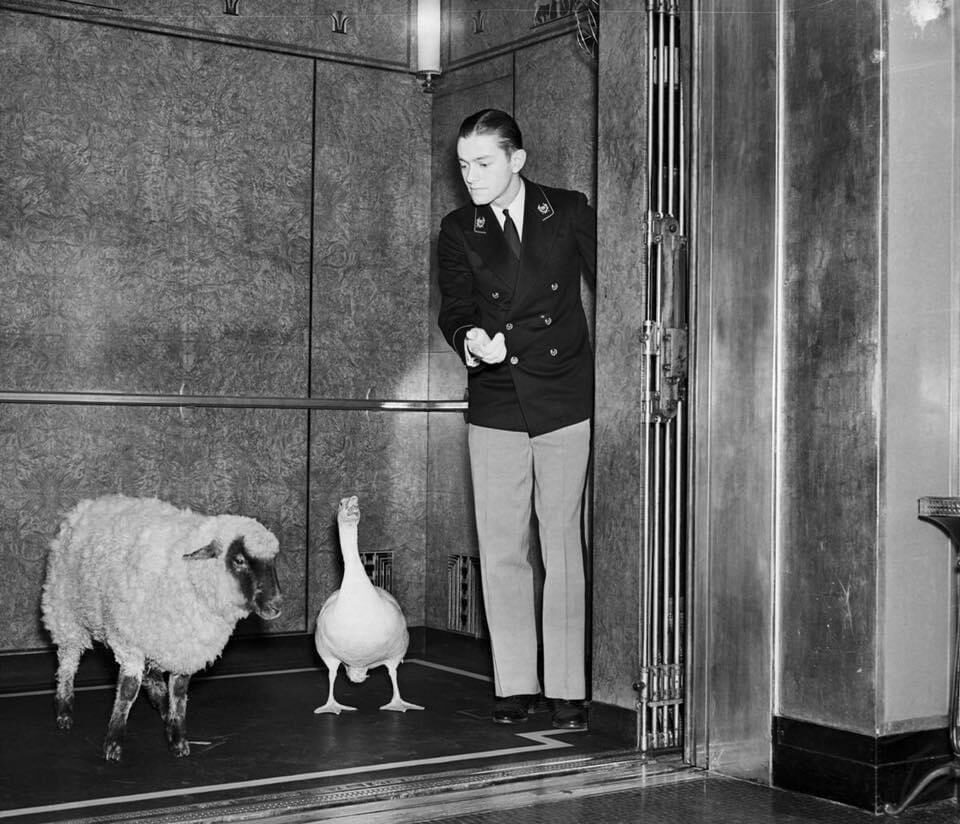
Picture stepping into a grand, art-deco elevator, complete with ornate dials and polished brass accents. You’re greeted by a uniformed operator with an impeccable hat and a welcoming smile. This was no mere press of a button; it was an event!
Elevator operators were beacons of hospitality, orchestrating a symphony of movement with the deft pull of a lever. They made the often-impersonal world of high-rise buildings feel warmer and more welcoming.
"Going up!"
As technology progressed, elevators learned to operate themselves. The buttons took over, and with a soft ding, the need for these human conductors began to wane. Though elevator operators have largely disappeared, they left behind a legacy of warmth and gracious service, a testament to a time when lifts were guided not just by technology, but by the human touch.
5. Lamplighter
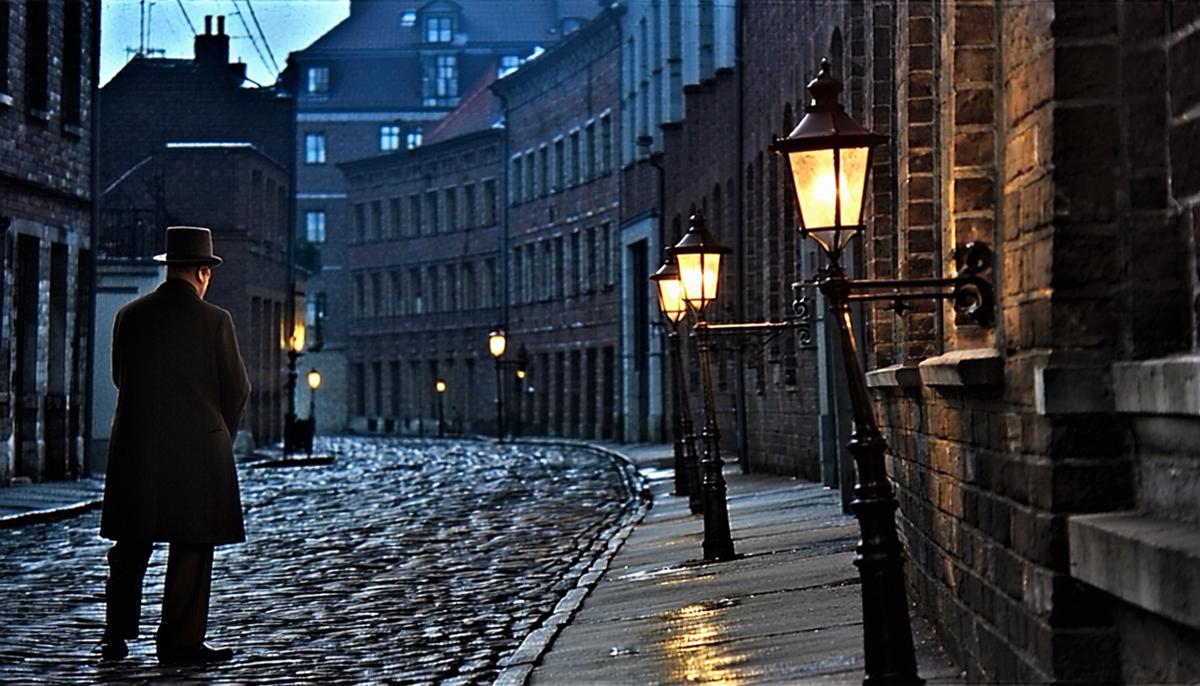
Imagine strolling along cobblestone streets at twilight when the lamplighter steps into view. With their long poles fitted with wicks, these nimble custodians of illumination transformed entire neighborhoods into a warm, inviting glow.
Each night, they embarked on their journey, igniting the gas lamps that lined the streets, casting a comforting halo that guided late-night wanderers and lovers sharing whispered secrets. Their ritual was almost poetic, ensuring that darkness never entirely claimed the bustling avenues and quiet alleys of the idyllic 1950s.
Yet, like many traditions, lamplighting wavered in the face of modernity. Electric streetlights surged to prominence, bathing cities in a steadier, more reliable brilliance. The lamplighter’s nightly promenade slowly dissolved into history, their charm becoming but a cherished memory.
As we traverse today’s brightly lit cities, it’s hard not to feel nostalgic for those twilight artisans who used simple flames to light up the world.
6. Ice Cutter
Before electric refrigerators, there was the ice cutter—a hardy soul who embraced the biting chill to harvest nature’s coolant. Picture a frosty dawn, breath fogging in the crisp air, as the cutter’s rhythmic slicing echoes off snow-draped branches.
Ice cutting required strength and endurance, as well as an intimate dance with nature. Each block harvested ensured cool lemonade on a sweltering July afternoon. The humble icebox relied on these laborious efforts to keep perishables from spoiling.
As with many traditional jobs, progress played its hand. The advent of electric refrigeration gradually saw the ice cutter’s era slip away. The rhythmic slicing gave way to the seamless hum of appliances.
While today’s convenience dazzles with efficiency, there’s a certain warmth in remembering the days when winters meant more than snowball fights, and every summer sip of chilled lemonade was a testament to the enduring spirit of those who ventured across frozen waters.
7. Typist
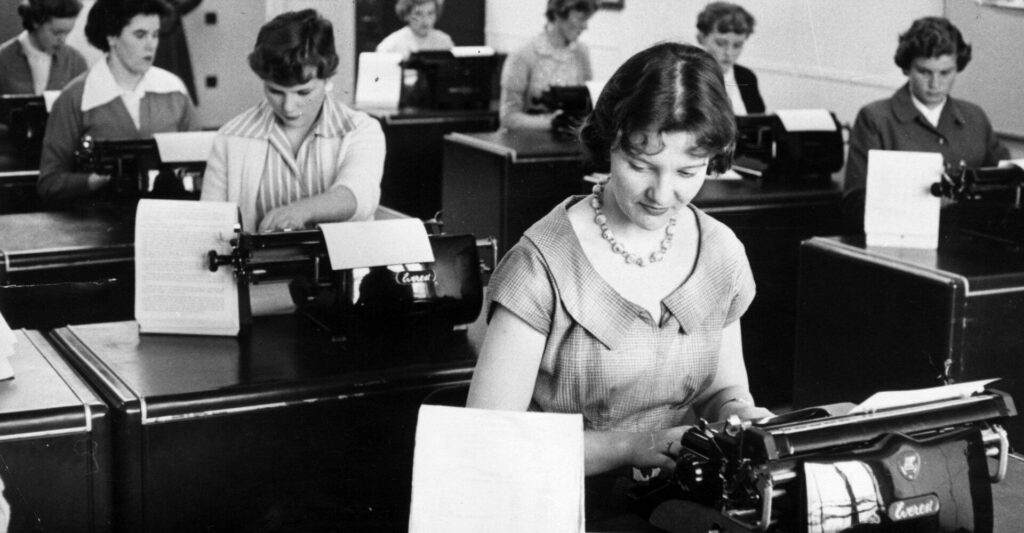
Step back into an office of the 1950s, where typists were the unsung heroes of correspondence and documentation. Picture a bustling room, lit by morning sun filtering through Venetian blinds, where rows of skilled typists sat poised at their typewriters, fingers dancing over keys with grace.
In an era before computers, professional typists commanded respect with their lightning-fast accuracy and impeccable attention to detail. Their work was a symphony of clicks and clacks, turning blurred shorthand notes into pristine, inked marvels.
This job demanded:
- Agility of mind
- Nimbleness of digits
- Unwavering focus
Typists were the backbone of businesses, the unseen hands that kept the wheels of communication turning smoothly.
As technology unveiled computers and word processors, the landscape of the office changed forever. The role of the typist gracefully stepped aside as everyone became their own typist. Yet, as we tap away on our devices today, it’s nice to recall those who paved the way with fingers stained from ink ribbons and hearts brimming with creativity.
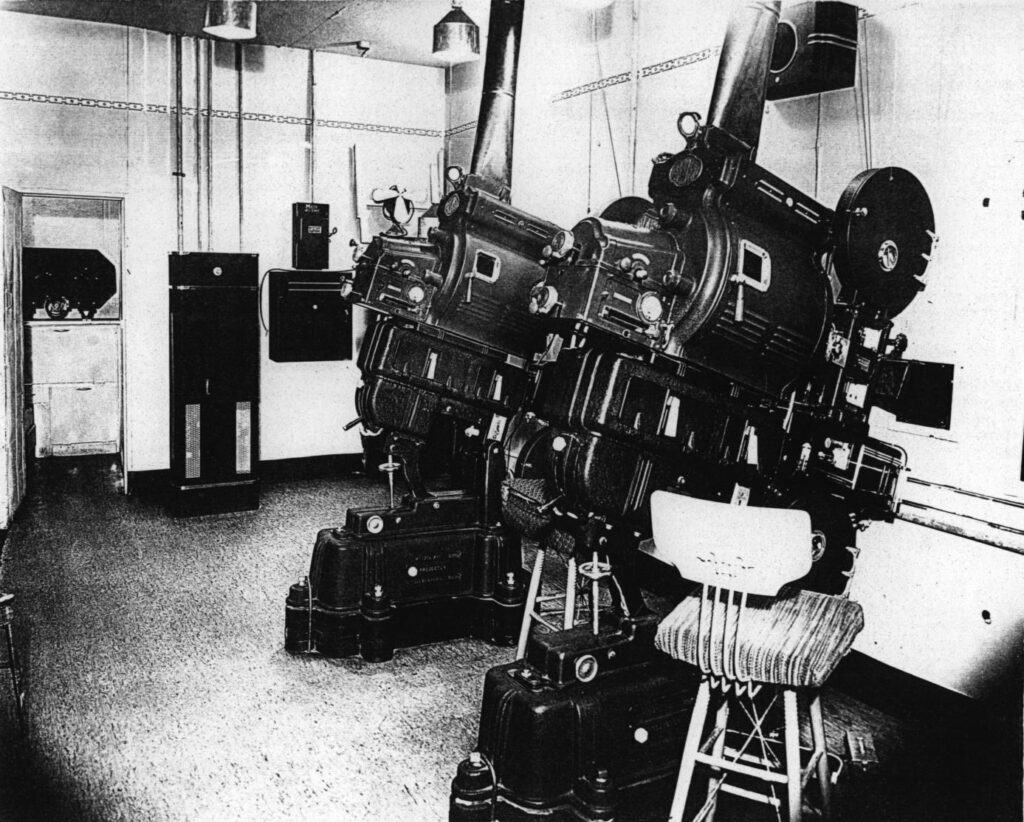
8. Projectionist
In the 1950s, going to the movies was an event. Hidden away in the dim light of the projection booth, the projectionist was the unsung hero of this shared spectacle. Their deft hands guided each reel into place, ensuring every scene unfolded flawlessly before an enraptured audience.
The skilled projectionist threaded delicate ribbons of film through sprockets and spools, managing the intricacies of light and shadow. Their workspace was a symphony of clinks and whirs, echoing the crescendo playing on the screen.
Each screening was a labor of love, an orchestration of precise timing and gentle touches. Projectionists ensured transitions between reels happened seamlessly, without so much as a hiccup in the film’s spell.
As digital technology took over, the intricate ballet of film threading began to fade. Digital projectors replaced the tactile engagement of film with the efficiency of pixels and codes. Though the days of dusty reels have largely given way to digital dazzle, the legacy of the projectionist lingers, a testament to the impact of old-fashioned skills meeting visual storytelling.
As we look back, it’s clear that these bygone professions left a lasting impression. The charm of past roles, though replaced by modern conveniences, reminds us of a world where human touch and connection were key. Whether delivering milk with a smile or lighting up streets with care, these jobs showed us that progress doesn’t always mean leaving behind what once made life special.
- Smith J. The Decline of Traditional Occupations in Post-War America. Journal of Labor History. 1995;40(2):112-128.
- Johnson A. Technological Advances and Job Displacement: A Historical Perspective. Economic Review Quarterly. 2000;15(3):45-62.
- Brown R. Nostalgia and Progress: The Changing Face of American Work. Sociological Studies. 2005;28(1):78-95.