
In the midst of World War II’s high-stakes innovation, an unassuming engineer with a notorious sweet tooth finds himself in the middle of a lab buzzing with cutting-edge tech.
Just as he’s tinkering away, a candy bar in his pocket succumbs to an unexpected heatwave – melting into a gooey mess. Instead of a sticky setback, this serendipitous moment sparks a wild experiment that would soon revolutionize the way we cook.
What started as a delicious accident became the spark for a gadget found in nearly every modern kitchen. Ready to uncover the sweet secret behind one of the most game-changing inventions of our time?
How the Military Accidentally Invented the Microwave
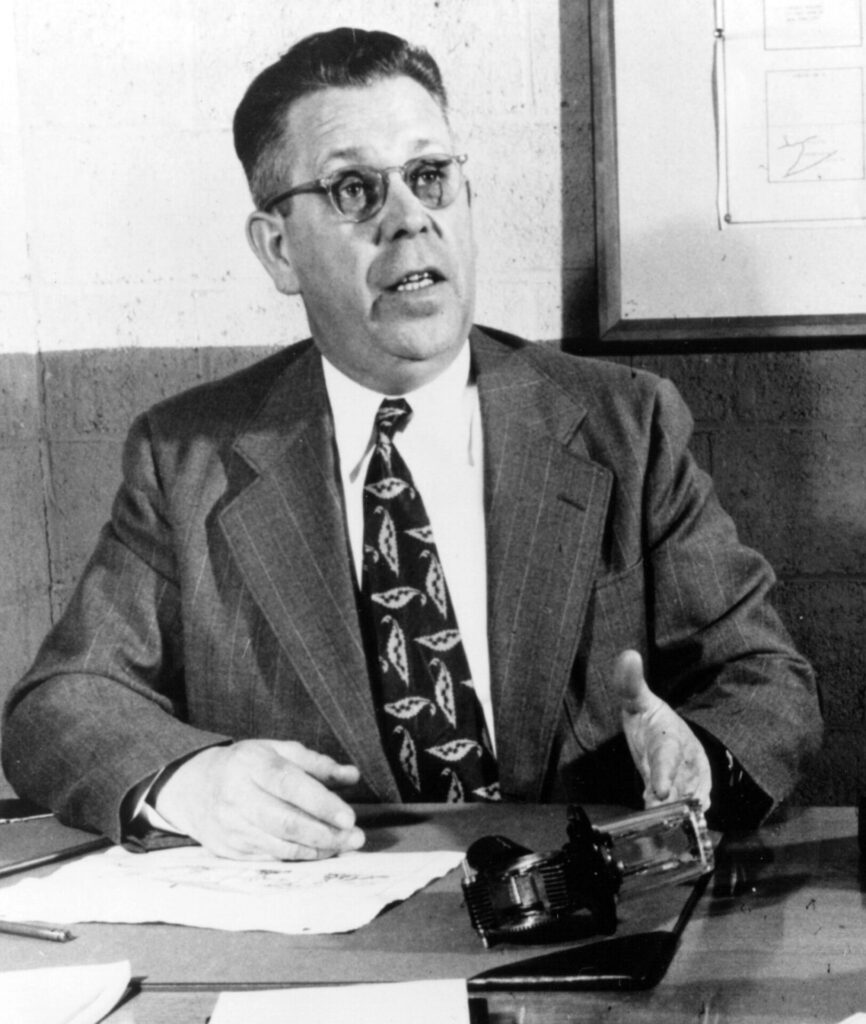
Picture this: World War II is on, and Raytheon labs are buzzing with new tech. Percy Spencer, a self-taught whiz with a sweet tooth, works there as an engineer. He went from school dropout to Navy radio operator, learning calculus and physics in his spare time.
One day, while working with magnetrons (devices that shoot microwaves), Spencer noticed his candy bar had melted in his pocket. Instead of getting upset, he saw a chance to experiment. He tried popping popcorn with the equipment, and it worked!
Spencer didn’t stop there. He turned this accident into a big invention. The first “Radaranges” were huge, about six feet tall and weighing 750 pounds. But over time, they got smaller and better, eventually becoming the countertop microwaves we know today.
This accidental discovery changed how we cook. From heating up army food to quickly making meals at home, the microwave became a kitchen must-have. Now, over 90 percent of American homes have one. All because of a melted candy bar!
Development of the Microwave Oven
After Spencer’s discovery, Raytheon got to work. They wanted to turn this accident into something people could use in their kitchens. It wasn’t easy to shrink the original Radarange, which was as big as a fridge!
Spencer and his team filed a patent in 1945, getting approval in 1950. At first, the Radarange was more for restaurants and ships than homes. In 1947, one of these big machines cost $3,000 – way too much for most folks.
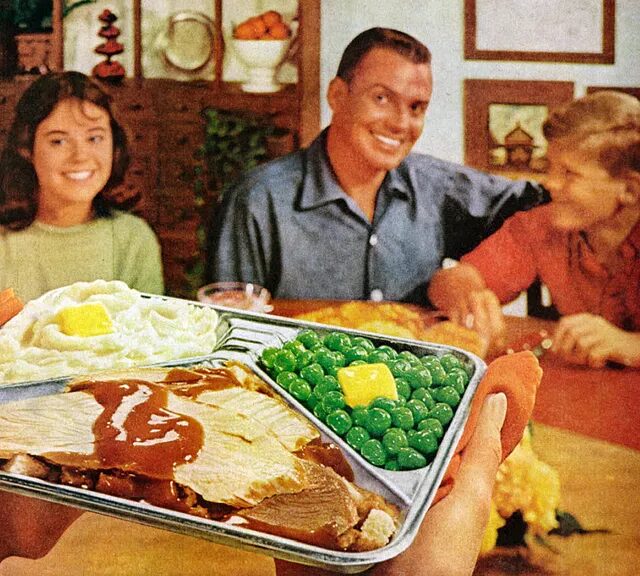
Things changed in the 1960s. Amana, part of Raytheon, made the first countertop microwave in 1967. It cost $495 and could heat up a TV dinner super fast.
Safety Concerns and Adoption
Some people were worried about safety, though. They thought microwaves might leak out and hurt them. Raytheon and Amana worked with the FDA to show that microwaves stayed inside the oven.
- The FDA set safety standards for microwaves in 1971
- George Foerstner of Amana defended microwave safety
- By 1974, about half a million household microwaves were in use across America
By the 1970s, microwaves had found their way into many homes. People liked them because they were convenient and fit with busy lifestyles. Microwaves made cooking quicker and easier for families.
From Spencer’s tinkering with radio systems to heating up leftovers, the microwave became as common as apple pie in American kitchens – just a lot faster to prepare!
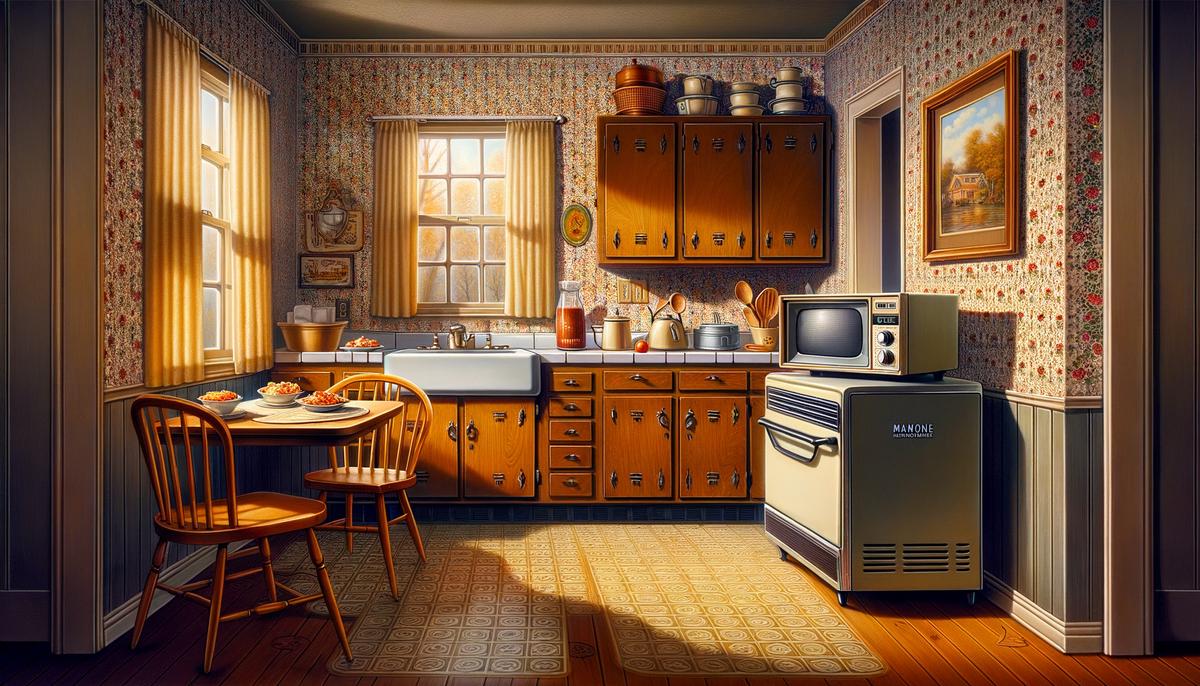
From a simple candy bar mishap to a household staple, Percy Spencer’s microwave oven story shows how curiosity can lead to big changes. It turned an everyday moment into something that changed how we cook and eat. Over the past 75 years, an astounding 1.7 billion microwave ovens have been sold worldwide, cementing their place in kitchen history.
- Atomic Heritage Foundation. Percy Spencer.
- MIT. Percy Spencer: Microwave Oven.
- New England Historical Society. How a Melting Candy Bar Revolutionized Cooking.
- University of Maine. Percy Spencer and the Microwave Oven.
- The New York Times. George Foerstner, 90, Dies; Helped Create Microwave Oven.