
Back in the ’50s, music was confined to a bulky family ritual – until one rebellious gadget burst onto the scene. This pint-sized troublemaker flipped the switch on tradition, giving teens the freedom to groove anywhere. And the kicker? It all started with the transistor radio.
The Birth of the Transistor Radio
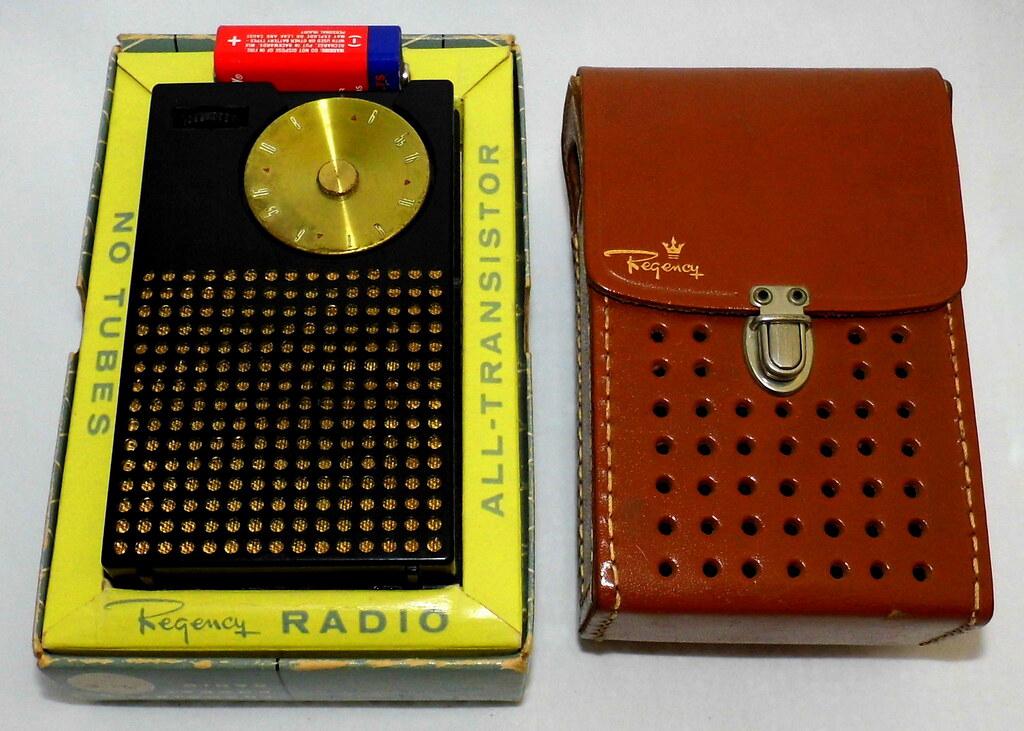
In the 1950s, Texas Instruments teamed up with Regency to create the Regency TR-1, the first transistor radio. This pocket-sized gadget was a revolution, replacing bulky vacuum tubes with smaller transistors. Made of four germanium transistors and dressed in snazzy plastic, it hit stores in November ’54 priced at nearly $50.
The TR-1’s arrival was met with excitement. Buyers saw it as more than just a radio; it represented freedom and the potential to carry music wherever they went. This pint-sized marvel changed how people experienced music, allowing them to enjoy their favorite tunes on the go.
Some key facts about the Regency TR-1:
- Released in October 1954
- Priced at $49.95 (equivalent to about $400 today)
- Weighed half a pound
- Powered by a nine-volt battery
- Measured only a few inches tall
Cultural Shifts and Teen Independence
The transistor radio became the heartbeat of a generation in the 1950s. It gave teenagers a new sense of freedom, allowing them to listen to music away from parental supervision. No longer confined to the family radio in the living room, kids could now enjoy their tunes at soda counters, in secret hideouts, or on twilight outings.
This pocket-sized device fueled a cultural shift, giving young people a way to carve out their own space. Rock ‘n’ roll wasn’t just music anymore; it became a soundtrack to independence. Whether nestled in a knapsack or gripped tightly, the transistor radio let teens tune into their own world, one riff at a time.
"It was kind of the start of this social revolution where people could carry their music around with them."
– Michael Jack, music producer and transistor-radio collector

The Rise of Portable Entertainment
The transistor radio marked the beginning of truly portable entertainment. Music and news were no longer confined to the living room; they could go anywhere. This shift meant more than just convenience – it was a step towards personalized entertainment.
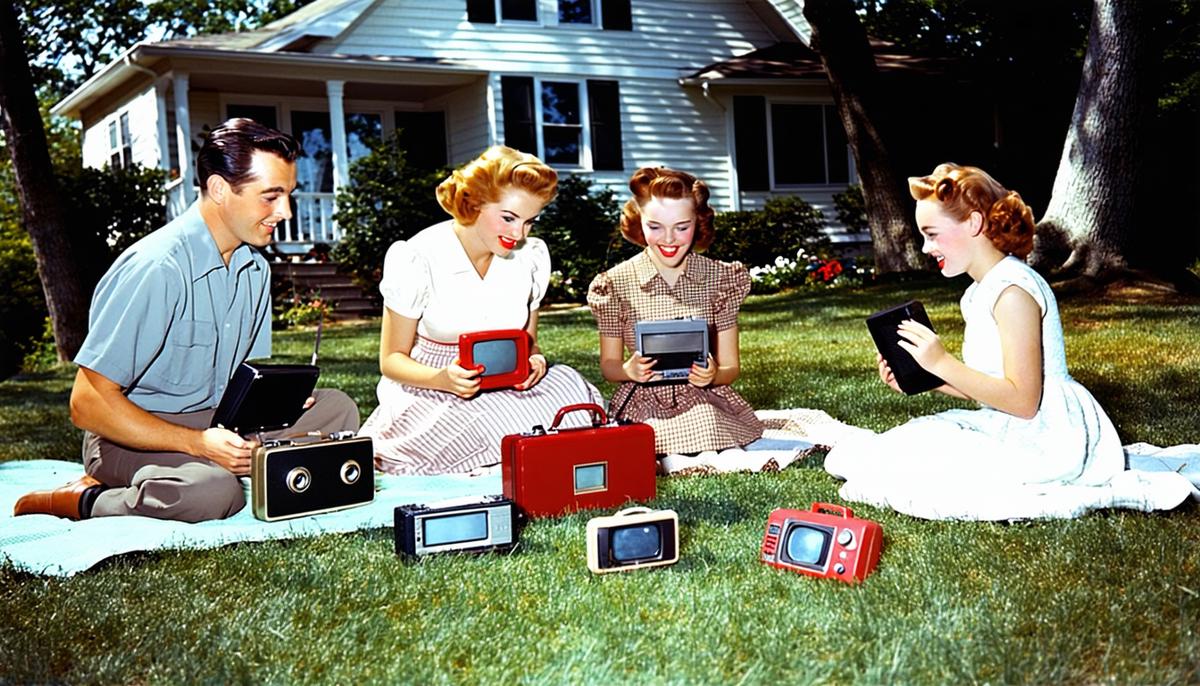
Suddenly, everyone had their own soundtrack. Dad could listen to sports while mowing the lawn, Mom could catch up on hits while cooking, and teenagers could take their favorite tunes to the beach or park. The transistor radio made entertainment more individual and accessible, paving the way for future portable devices.
Impact on family dynamics:
- Personalized listening experiences
- Increased mobility of entertainment
- Shift from family-centered to individual-focused media consumption
Economic and Market Implications
The transistor radio shook up the economic landscape, especially when Sony entered the American market. This Japanese company offered quality products at competitive prices, challenging established American manufacturers like Zenith and Admiral.
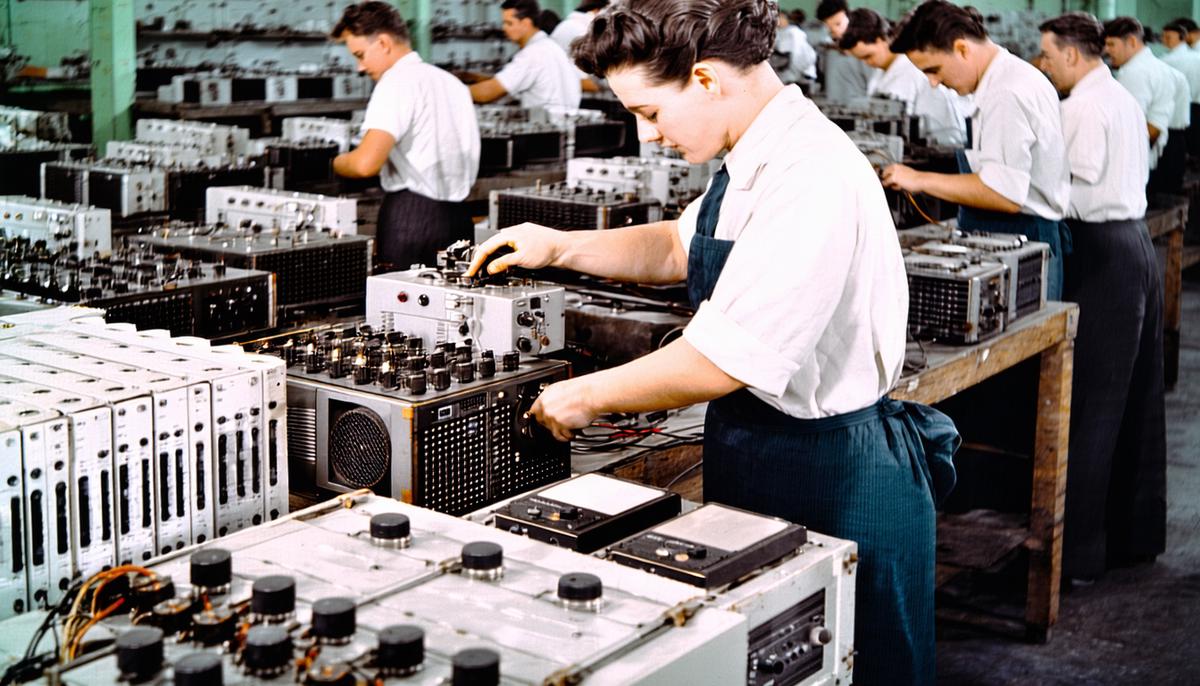
This competition led to more choices and lower prices for consumers. It also forced American companies to innovate and rethink their strategies. The manufacturing sector had to adapt, creating new jobs to meet the demand for transistor-based products.
The transistor radio didn’t just change how we listened to music; it played a role in shaping global markets and corporate rivalries. It showed how a small device could have big economic impacts, setting the stage for future international competition in consumer electronics.
Technological Legacy and Evolution
The transistor radio kicked off a wave of innovation in portable electronics. It paved the way for devices like the Walkman in the 1980s, which offered even more personalized listening experiences. Today’s smartphones, with their ability to play music and access information on the go, owe a debt to these early portable devices.
Beyond gadgets, the transistor radio influenced how we think about consumer electronics. It showed that everyday devices could be companions, not just tools. This shift in perspective continues to shape how we interact with technology today.
So next time you plug in your earbuds, remember the transistor radio. It was more than just a neat gadget – it was a glimpse into a future where the world fits in our pockets.
Evolution of Portable Audio Devices:
- Transistor Radio (1954)
- Cassette Player (1960s)
- Walkman (1979)
- Discman (1984)
- MP3 Player (late 1990s)
- Smartphone (2000s-present)
The transistor radio was a game-changer, marking the start of an era where music and freedom went hand in hand. It played a key role in shaping a generation’s identity and independence. Its influence lives on in how we experience music and connect with each other today.
-
1. Churchill W. The Second World War, Volume 2: Their Finest Hour. Houghton Mifflin; 1949.
2. Wallace H. Interview with National Museum of American History curator. 2023.
3. Jack M. Interview with music producer and transistor-radio collector. 2023.