
The Show's Format and Themes
Mickey Mouse Club burst onto TV screens back in the day, full of energy and excitement. Every weekday brought a different flavor:
- Mondays: "Fun With Music Day," where kids from across the country clapped along.
- Tuesdays: "Guest Star Day," with anticipation for what celebrity might pop in next.
- Wednesdays: "Anything Can Happen Day," filled with unexpected episodes.
- Thursdays: "Circus Day," with Mouseketeers donning costumes for big top performances.
- Fridays: "Talent Roundup Day," showcasing young talents.
These themes made Mickey Mouse Club feel like more than just a TV show—it was an experience that drew you in and made each day special. It was like catching lightning in a bottle and broadcast every afternoon into homes across America.
The Mouseketeers and Their Impact
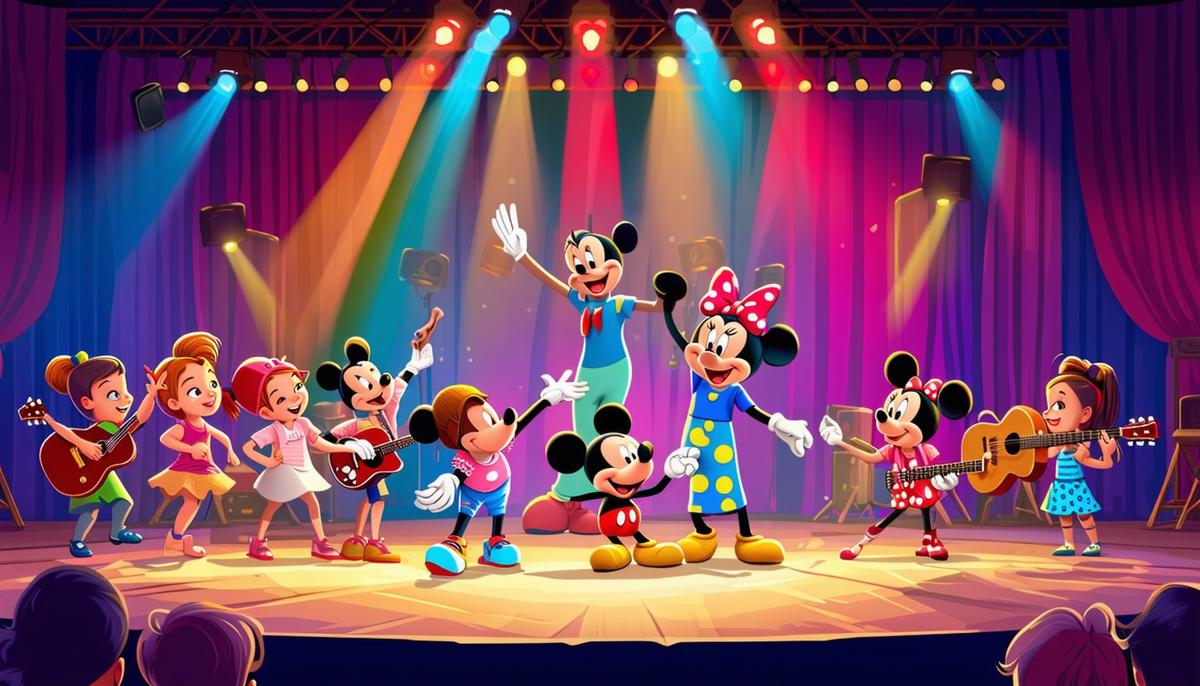
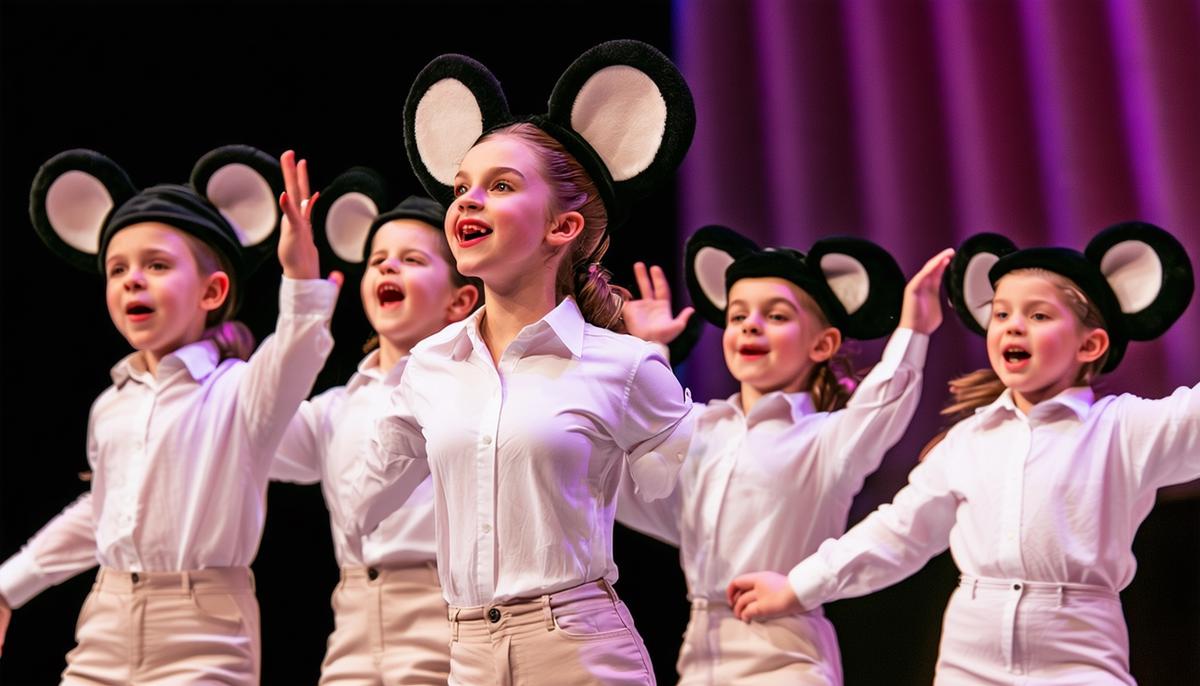
The Mouseketeers were the beating heart of the Mickey Mouse Club, serving as a kind of magical glue that held the entire show together. Walt Disney had a keen eye for scouting talent and personality, looking for kids who could resonate with audiences and embody the optimism of the '50s.
Among the most memorable stars was Annette Funicello, discovered by Walt Disney himself. Her sweet demeanor and talented performances made her a fan favorite, and she later transitioned to a pop culture icon. Other Mouseketeers, like Bobby Burgess, who later showcased his dancing prowess on The Lawrence Welk Show, also left their mark.
Culturally, the Mouseketeers were more than just TV stars. They became symbols of the aspirational post-war American dream, inspiring a generation of youngsters to follow their own passions. They proved that with a bit of talent and a Mickey Mouse spirit, anything was possible.
The Mouseketeers played a mighty role in the Mickey Mouse Club's success, transforming it from just an afternoon program into a cultural phenomenon that resonated deeply with the era's vibe.
Cultural Significance in the 1950s
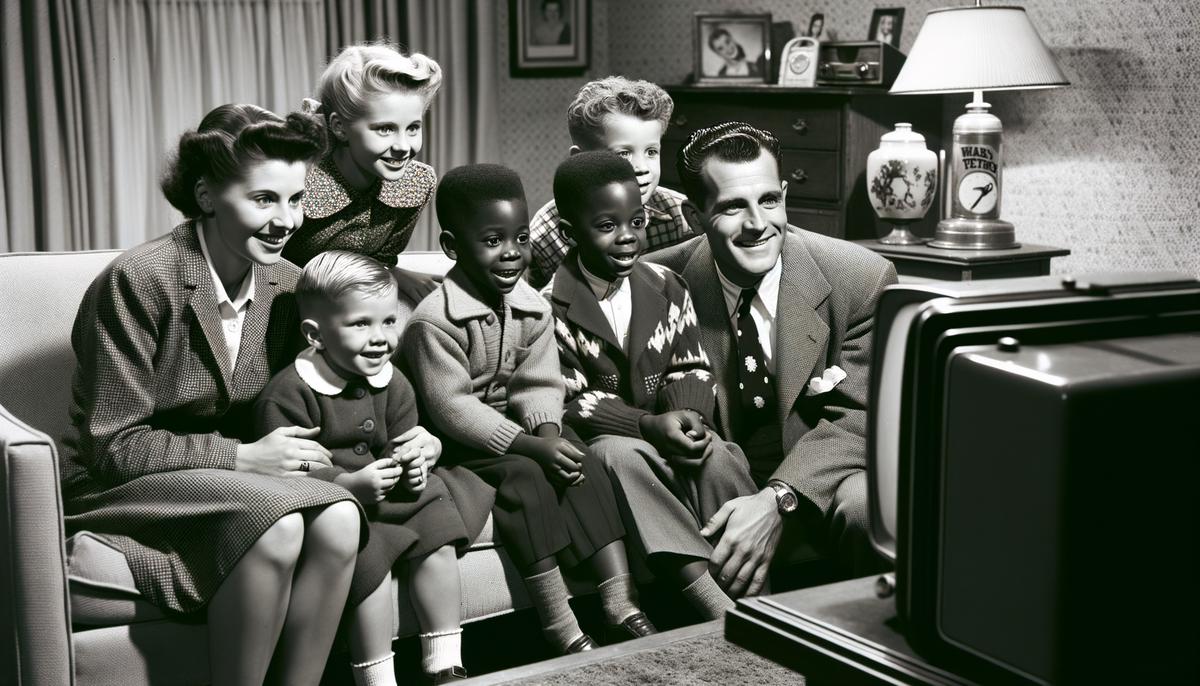
The Mickey Mouse Club was more than just a television show in the '50s—it was a reflection of post-war America. For families who had survived the uncertainties of wartime, the show offered a comforting distraction. Its vivid portrayal of innocence and dreams made it a cultural touchstone for those tumultuous but hopeful times.
Beyond its entertainment value, the Mickey Mouse Club epitomized family-friendly programming. It reinforced values that resonated with the American public:
- Hard work
- Friendship
- Believing in one's dreams
By showcasing the talents and camaraderie of the Mouseketeers, the show reflected a model of American youth full of potential and teamwork.
Kids who tuned in every weekday at 5:00 p.m. were participants in a shared cultural experience. The show quickly became a fixture of childhood for the baby boomers. Its optimistic tunes were hummed on school playgrounds, and its characters became imaginary friends to countless children.
"In the 1950s — the years when baby boomers were young — are most often cited as the happiest of times. Millions of aging Americans get nostalgic about the Mickey Mouse Club, summer camp, Kool-Aid, and riding bikes."
As those baby boomers grew up, their nostalgia for the carefree days of singing along with the Mouseketeers only intensified. The show's jingle still brings a wistful smile to those who remember it fondly, conjuring memories of a simpler time full of possibilities.
Legacy and Revivals
Although the original Mouseketeers danced their way off our screens by 1959, the cultural craving for all things Mickey remained strong. In the late '80s, "The All-New Mickey Mouse Club" (MMC) brought its own brand of zing and zest, blending contemporary trends with classic charms.
This revival is remembered for launching the careers of some iconic entertainers. Britney Spears, Justin Timberlake, Christina Aguilera, and Ryan Gosling all got their start on MMC, proving that the spirit of the Mickey Mouse Club was alive and well.
These revivals brought the ethos of the '50s into the contemporary landscape, reinforcing values of teamwork, creativity, and unbridled joy. Each new iteration carried a piece of nostalgia while introducing fresh elements.
Today, with digital platforms offering Club Mickey Mouse on social media, the club continues to reach even wider audiences. As long as there's a spark of magic and a love for spirited singing and dancing, the legacy of the Mickey Mouse Club will persist, capturing imaginations and nurturing talent for generations to come.
The Mickey Mouse Club was more than just a show; it was a cultural phenomenon that resonated with the spirit of its time. Its legacy, marked by joy and creativity, continues to inspire generations, reminding us of the enduring power of dreams and the magic of youthful enthusiasm.
- Potter C. The Mickey Mouse Club: A Look Back at Disney's Legendary TV Series. D23: The Official Disney Fan Club.
- The Mickey Mouse Club. Television Heaven.
- The Mickey Mouse Club. Museum of Broadcast Communications.