
Historical Background
Western Electric rotary phones revolutionized the 1950s. World War II had halted innovation, with factories focusing on military equipment. Once the war ended, Western Electric sprang back into action, revving up their machines to produce consumer phones again.
The model 302, a standout desk phone, became a household favorite across America. These phones were solid and built to last, playing a key role in modernizing communications.
During the war, U.S. phone production slowed. Canadian neighbors kept the consumer market alive with phones like those from Automatic Electric. After the war, Bell's Empire reclaimed its position, replacing wartime imports with homegrown Western Electric products.
By the late '50s, the iconic model 402 became widespread. Western Electric crafted connections that stretched coast to coast with every spin of the dial. Their contemporaries, like the 554 Series wall phone, added style to kitchen and hallway walls.
The rotary dial made long-distance calls feel like a mini workout. As people grew accustomed to them, the electronic era arrived, with push-button phones set to take over in the '70s, thanks to advancements like ESX switching equipment. Yet those rotary phones persevered, remaining steadfast companions in an ever-shifting spotlight.
Design and Features
Western Electric rotary phones were as stylish as they were functional. These gadgets were made with heavy-duty Bakelite and metal, built to withstand wear and tear. They were the kind of phone you could drop on the floor, and it'd still work flawlessly.
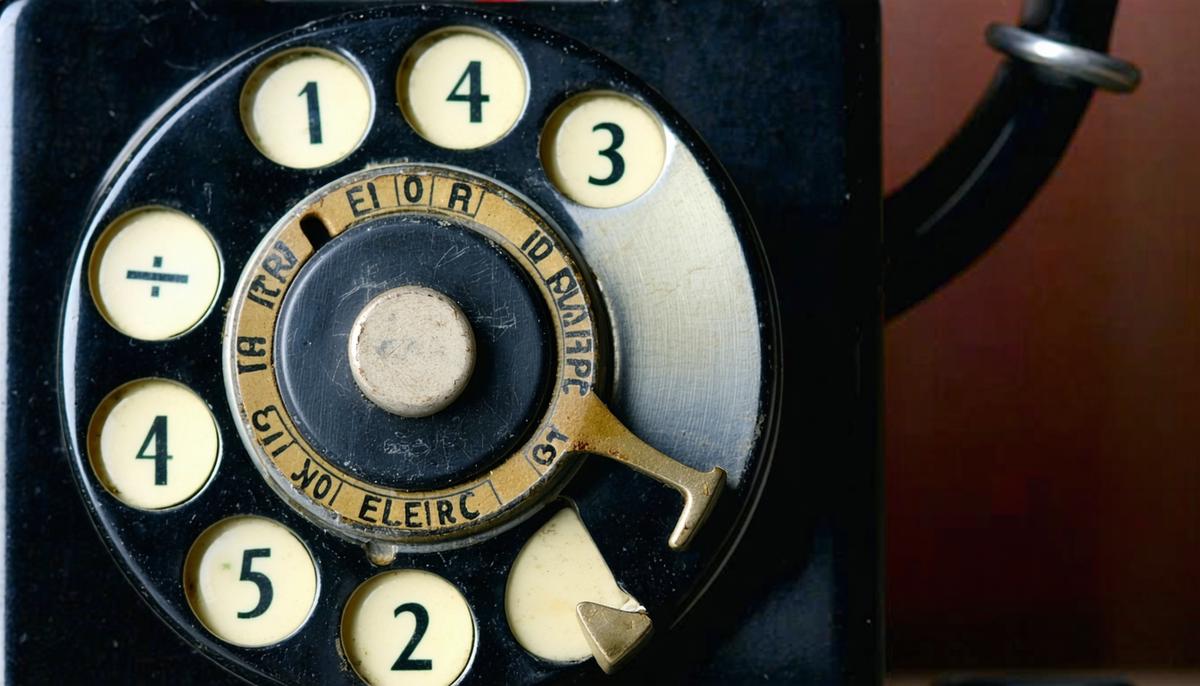
The rotary dial was a true gem. That mechanism felt almost ceremonial—a deliberate twist for each digit, with that satisfying clickety-clack as the dial returned to its place. It transformed dialing into an event, turning a simple call into a memorable experience.
Key Features:
- Durable Bakelite and metal construction
- Iconic rotary dial mechanism
- Long-lasting design
- Reliable functionality
These phones were incredibly durable. You could expect to find them still operating decades later, perhaps with some endearing scratches and scuffs that tell stories of countless conversations. Even when those exposed wires peeked out, those phones didn't mind—they carried on, ready for the next call.
These devices weren't just phones—they were reliable friends you could count on whether you were calling the butcher or ringing mom for a Sunday catch-up. It's no wonder they remain a symbol of the 1950s—perfectly functional with a dash of style.
Cultural Impact
Western Electric rotary phones were social catalysts, creating connections that brought family, friends, and businesses closer together in 1950s America. At home, the rotary phone commanded its own little hub—a glorified meeting spot on a desk or wall. It was the place where secrets were whispered, family gossip was exchanged, and neighborhood news traveled fast.
In offices, these phones were essential for business. A phone call back then was a moment of focus, where every spin of the dial meant a step closer to closing that important deal or sorting out numbers with a vendor. They were fixtures in offices, helping streamline communications during a time when personal handshakes bridged across telephone lines.
"If it's good enough for Uncle Sam, it must be good enough for your desk!"
These phones became symbols of modernity—a token of progress to visitors and a technological charm priding any household that had one. Imagine having the power to connect with anyone, anywhere, thanks to technology humming proudly on your table.
Embodying a blend of practicality and innovation, these gadgets represented the can-do ethos of the era. Rotary phones hinted at the technological leap that our society was about to make—the kind that would eventually lead to push-button phones, internet, and then smartphones as we know them today.

Western Electric rotary phones were more than just communication devices; they were companions on the journey into a modern age. As steadfast as ever, these phones symbolized a time when connection was cherished and every call held promise.
- Western Electric Company. The History of Western Electric. New York: Western Electric Co.; 1969.
- Brooks JE. Telephone: The First Hundred Years. New York: Harper & Row; 1976.