
Mad Magazine's Cultural Impact
The first time I flipped open Mad magazine, I wasn't just reading comic strips; I was stepping into a world that laughed at everything we were taught to take seriously. It was like seeing someone reveal the silliness beneath society's masks. You couldn't help but grin like a kid who knows a great secret.
Mad was no average magazine. It was a rebel in print, poking fun at:
- Politicians
- Movie stars
- Societal fads
Alfred E. Neuman, with his toothy grin and "What, Me Worry?" attitude, stood as our unofficial guide through this playground of satire.
The magazine didn't shy away from highlighting the absurdity of the world's obsessions, from TV ideals to picture-perfect magazine lives. Mort Drucker's drawings, morphing familiar faces into exaggerated expressions, turned every movie parody into a comic gem.
Mad wasn't just about laughs; it planted seeds of critical thinking. We weren't just passive consumers of culture anymore; we were questioning the status quo. The timing was perfect, too. The 1950s were full of post-war conformity, but Mad dared to ask whose American Dream we were chasing.
Even in its mischief, Mad left a lasting mark. It shaped comedy for generations, influencing everything from stand-up to shows like The Simpsons. It taught us that humor and questioning go hand in hand.
Who would've thought a little magazine with a madcap sense of humor would shape young minds and poke fun at society in such a big way? But somehow, it did, leaving us with plenty of laughs and a new way to look at life.
Experience of First Reading Mad
Discovering Mad was like finding a secret club where wit and whimsy were the passwords. Each page was a brush with irreverence that felt ahead of its time. It was an escape hatch to a world where life's absurdity was celebrated with zest.
That first "What, Me Worry?" grin from Alfred E. Neuman was catching. For us kids in the 1950s, Alfred was like a new friend who encouraged us to laugh at our worries and the world's serious face. Here was a magazine telling us it was okay to snicker at society's expectations.
"What, Me Worry?" – Alfred E. Neuman
The excitement of finding Mad was real; it felt like opening a window in a stuffy room. Its humor made us curious, pushing us to question things we thought were untouchable. We started to see that satire could be more than just a clever joke.
Each issue mixed absurd caricatures with pointed social commentary. Reading "The Lighter Side of…" or "Spy vs. Spy," we went beyond the glossy surface of modeled lives. Suddenly, every news headline or dramatic movie scene seemed ripe for a laugh.
The art was pretty revolutionary too. Al Jaffee's fold-ins and Sergio Aragonés' margin doodles made each comic come alive. These illustrated antics showed us that life, even with its challenges, shouldn't be too serious.
Looking back, that first Mad magazine wasn't just paper and ink; it was an invitation to a space where daring ideas could roam free. Finding Mad was like finding an ally that got our growing skepticism about "The Establishment." It was liberating, like finally finding shoes that fit just right.
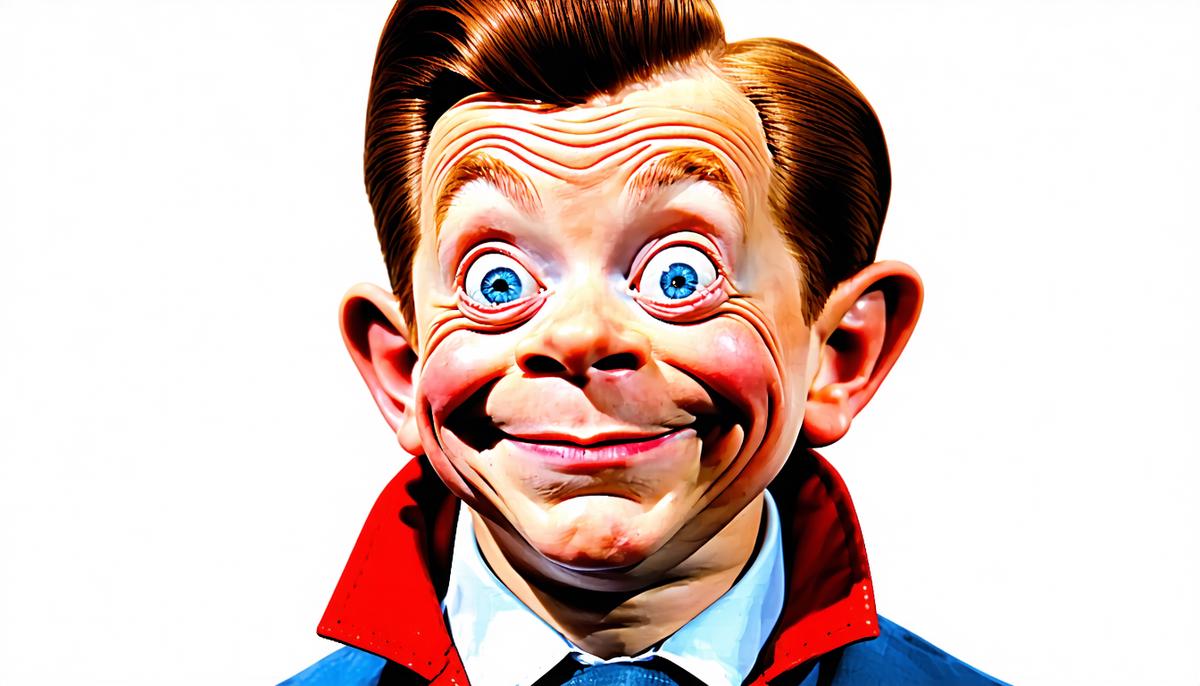
Mad magazine, with its bold humor and sharp satire, left a mark on generations. It wasn't just funny; it made us question things and see life differently. Through its pages, we found laughs and a new way to look at society's quirks.
- Reidelbach M. Completely Mad: A History of the Comic Book and Magazine. Little, Brown and Company; 1991.
- Ficarra J. Inside Mad. Time Home Entertainment; 2013.