
History and Evolution
J.C. Higgins bicycles rolled onto the scene during the 1950s, gaining popularity through Sears Roebuck. These bikes were a hit among working-class and rural folks. The 1949 model featured dual headlights and a Batwing design, while the Space Liner model boasted coaster brakes for better wet-weather riding.
Between 1950 and 1960, J.C. Higgins introduced new models like the J.C. Higgins 100 and the Flightline from 1959. These bikes sported:
- Chrome tanks
- Silver paint jobs
- Beehive springers
- Bright headlights
- Balloon tires for a smooth ride
As the 1960s arrived, J.C. Higgins faced competition and had to develop lighter models. The Space Liner cruiser of the 1960s was easier to handle, featuring a 26-inch springer fork and a slick rear tire.
J.C. Higgins bicycles weren't just transportation; they were a piece of Americana that continue to appeal to collectors and enthusiasts who appreciate a classic ride.
Design and Features
J.C. Higgins bicycles in the 1950s were known for their eye-catching style and smooth functionality. Built with durable American steel, these bikes were ready for anything life could throw at them.
The aesthetics were a standout feature. Models like the Batwing design and dual headlights made night rides a spectacle. Silver and chrome finishes gave these bikes a sleek, modern look.
Practical features were also a priority. Coaster brakes allowed for easy stopping with just a backward pedal motion. Chrome beehive springers and balloon tires provided a comfortable ride.
J.C. Higgins bikes didn't just follow trends; they set them. With each ride, you weren't just biking; you were making a statement.
Cultural Impact
J.C. Higgins bicycles played a significant role in 1950s culture. Affordable and stylish, they became a household name, especially among working-class and rural communities.
For kids growing up then, a J.C. Higgins bicycle represented freedom and adventure. It was a way to explore beyond your neighborhood while looking cool. These bikes symbolized the American dream – quality and affordability rolled into one.
While brands like Schwinn were seen as high-end, J.C. Higgins had a relatable charm. You didn't need to break the bank to own one, which made them feel inclusive.
"J.C. Higgins was the Sears&Roebuck brand, and Sears was like the department store for the hicks and poor ppl, kinda like the WalMart of its day– in terms of cachet, or lack thereof."
In popular culture, a J.C. Higgins bicycle was as much a statement piece as a leather jacket or a poodle skirt. It fit right into the post-war consumer boom, balancing style and functionality.
Today, these bikes are prized by collectors and enthusiasts. They remind us of simpler times and offer a tangible link to 1950s America. J.C. Higgins bicycles continue to resonate with new generations, inviting them to experience a slice of mid-century nostalgia.
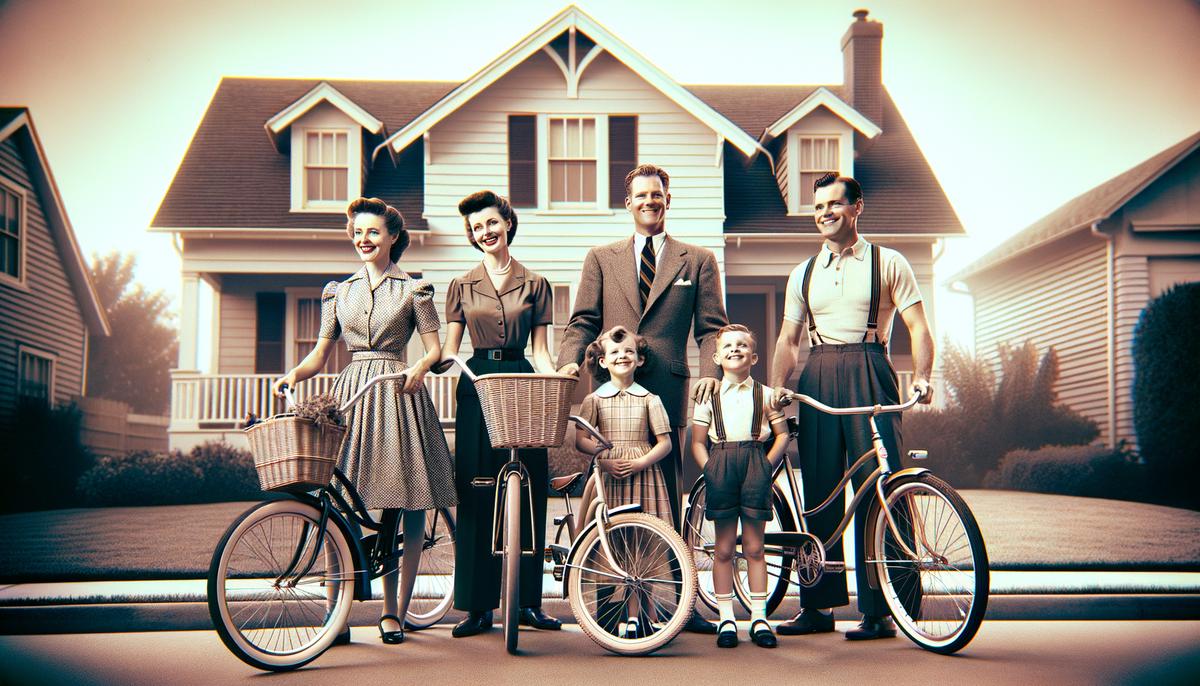
J.C. Higgins bicycles remain a cherished part of American history, embodying the spirit and style of the 1950s. Their legacy continues to resonate, inviting new generations to experience the joy of a classic ride.
- Hurd J. Collectible Elgin/JC Higgins/Hawthorne Bicycles. Self-published; 2000.