
History and Evolution of Pyrex
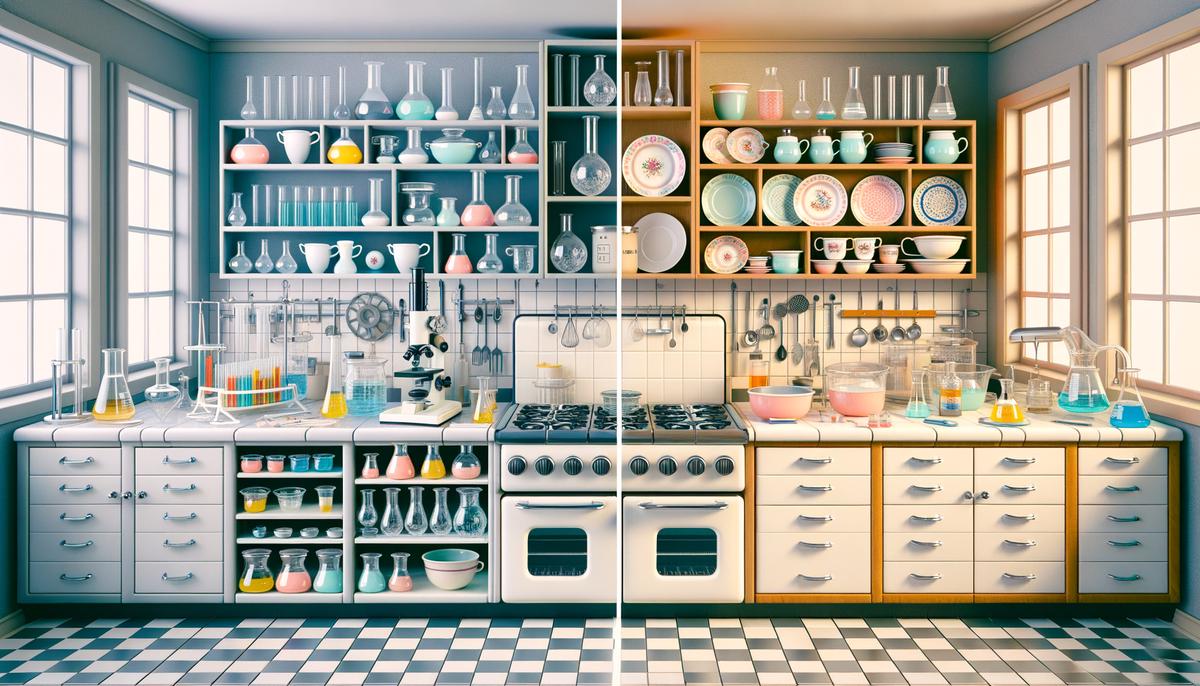
Pyrex has been a kitchen staple since the 1950s, when kitchens bustled with the sound of clinking glassware. Originally used in laboratories, Pyrex found its way into home kitchens thanks to Bessie Littleton, who baked a cake in a lab jar. Corning Glass Works saw potential and brought this heat-resistant glass to households.
After World War II, Pyrex introduced colorful opalware mixing bowls, reflecting the era's optimism. These bowls were both practical and eye-catching, nesting neatly for storage. Pyrex expanded its range to include casseroles and refrigerator dishes, embodying the "bake, serve, store" concept.
In the '60s and '70s, Pyrex introduced patterned designs on turquoise and pink backgrounds. Later, earthy tones became popular. Throughout its evolution, Pyrex maintained its blend of artistry and utility, connecting families through shared kitchens and cherished memories.
Popular Pyrex Patterns of the 1950s
The 1950s saw the introduction of beloved Pyrex patterns like Butterprint and Gooseberry. Butterprint, introduced in 1957, featured charming depictions of an Amish couple, roosters, and wheat in turquoise and white. It brought a touch of rustic charm to kitchens across America.
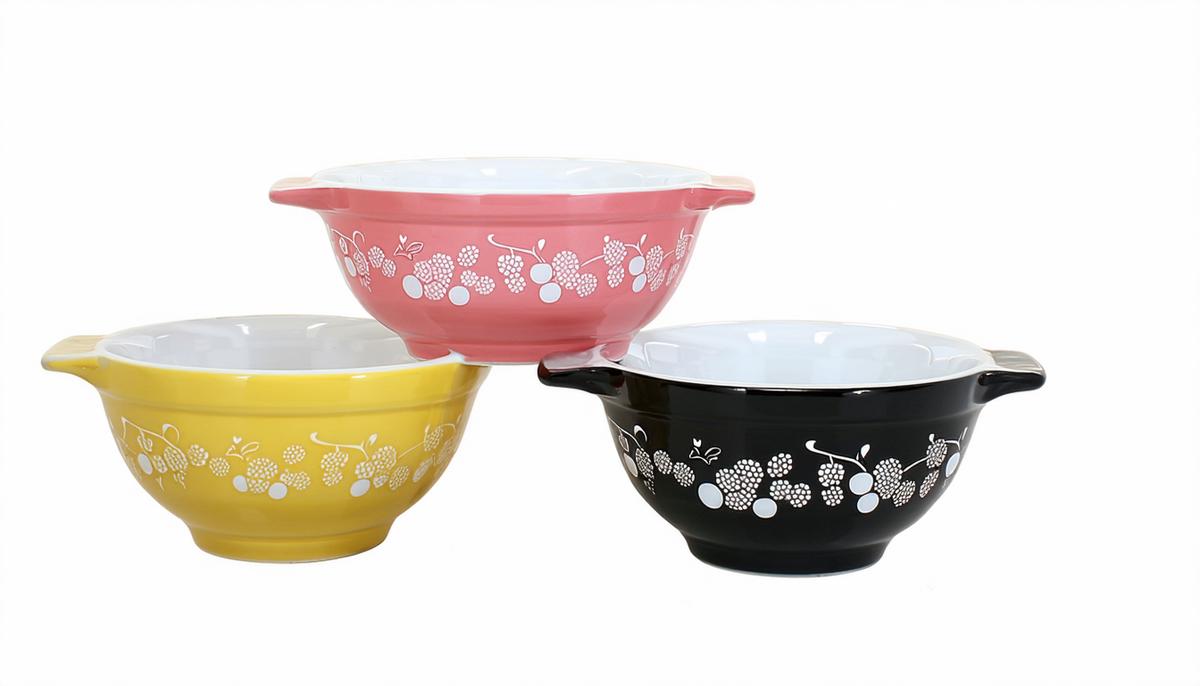
Gooseberry, available from 1957 to 1966, offered bold color variations like:
- Pink on white
- White on pink
- Black on yellow
These vibrant designs turned everyday baking into a lively experience.
These patterns weren't just about looks; they represented a time when life savored simple pleasures. Today, collectors hunt for these designs as tokens of nostalgia, bringing joy to modern kitchens and reminding us of family get-togethers and Sunday dinners.
Collector Culture and Nostalgia
Vintage Pyrex collecting is a hobby where nostalgia meets the thrill of the hunt. Each piece serves as a portal to the past, carrying memories of family gatherings and shared meals. The Gooseberry and Butterprint patterns, for instance, remind collectors of grandma's secret recipes and childhood stories.
The collector's scene is lively, with enthusiasts gathering online and at swap meets to trade stories and treasures. Social media groups buzz with excitement as members share their latest finds and tips.
"Pyrex continues to hold its value because most of us associate it with memories of family and holiday gatherings and memories from their childhood," says Willow Wright, owner of Urban Redeux Vintage.
While some rare patterns fetch high prices, many collectors are driven by sentimental value rather than monetary worth. It's about recapturing a connection to yesterday's kitchen stories and creating tomorrow's heirlooms.
In a world of modern gadgets, vintage Pyrex offers a comforting link to the past, making each find a heartwarming experience.

Pyrex remains a cherished part of many kitchens, connecting generations through cooking and gathering. Whether you're a collector or simply enjoy their colorful presence, these glassware pieces continue to bring joy and warmth to our homes.
- Corning Museum of Glass. America's Favorite Dish: Celebrating a Century of Pyrex. 2015.
- Wright W. Interview with Urban Redeux Vintage. 2023.
- Nepacena K. Interview with Destination Eichler. 2023.
- World Kitchen. Pyrex Brand History. 2023.