
History and Evolution
RCA Victor 45 record players burst onto the scene in 1949, revolutionizing the music world with their 7-inch records. Before these compact players, music enthusiasts were using larger 78 RPM records. The new 45s were easier to store and handle, sporting iconic yellow and red labels.
Early models like the 45-J-2 were built to last. People would connect their record players to radios or hi-fis for a full-bodied sound. RCA continued to improve the design, streamlining it and enhancing the changing mechanisms.
These players became a symbol of youth culture, almost like getting your first car. Friends would gather around their RCA Victors, stacking records and enjoying the latest tunes. It wasn't just about the music; it was about the experience and freedom these players represented.
Technical Features
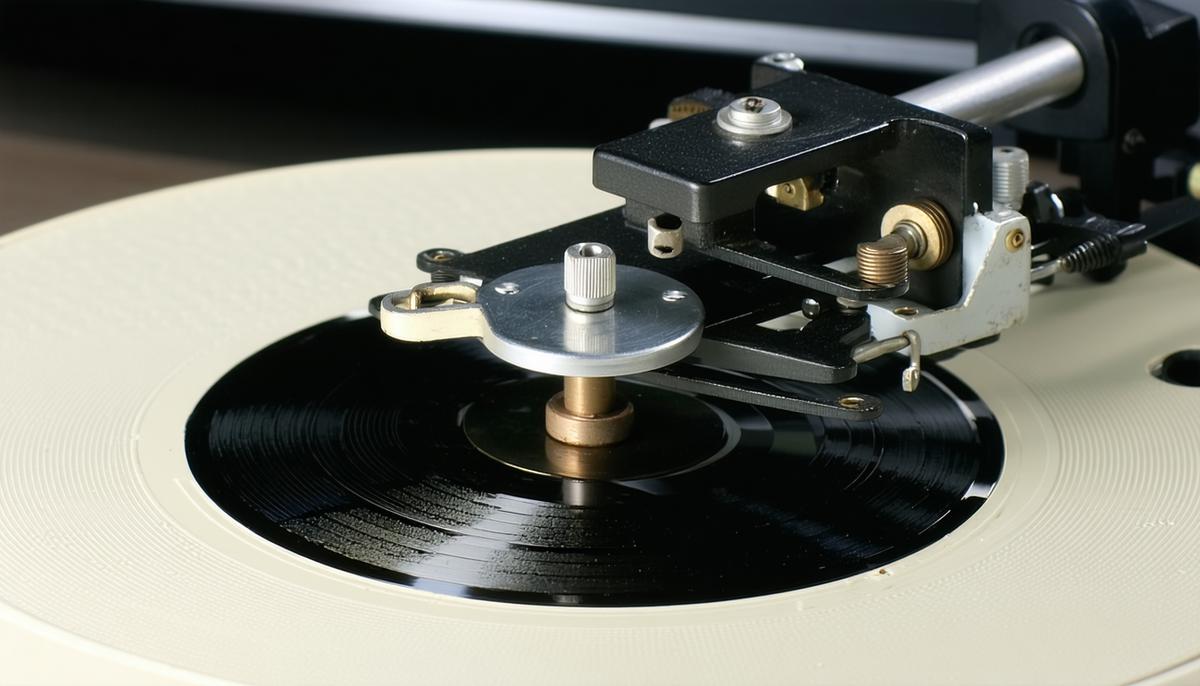
The heart of RCA Victor 45 record players was the RP-190 changer assembly. This piece of machinery kept everything running smoothly, serving up records one at a time. However, these changers needed regular maintenance to keep them in top form.
- Grease and lubricants hardened over time, requiring cleaning and re-greasing
- Crystal cartridges wore out after repeated use
- Idler wheels could become wobbly, affecting sound quality
Fortunately, modern alternatives can fit these players, giving them new life. Careful tuning was necessary to keep these players from going out of whack, but once set, they could play tunes just right.
Maintenance and Restoration
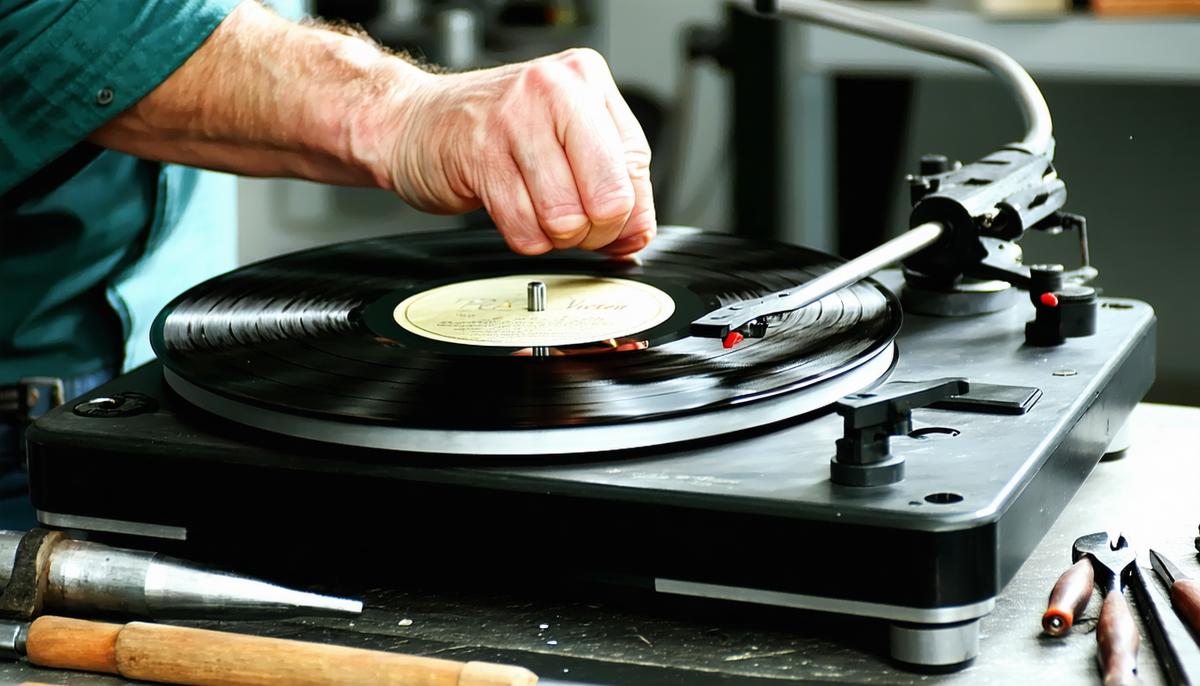
Keeping your RCA Victor 45 player in top shape requires some regular TLC. Here's a quick guide:
- Clean the chassis with a soft cloth and mild cleaner
- Examine and lubricate the RP-190 changer assembly
- Replace the idler wheel if it develops a flat spot
- Consider swapping the original crystal cartridge for a modern stereo cartridge
- Ensure the arm pivot swings smoothly
With proper maintenance, these classic players can continue to spin tunes for years to come.
Cultural Impact
RCA Victor 45 record players were a staple of 1950s culture, lighting up living rooms and hearts alike. They turned music listening into a family affair, creating a soundtrack for an era of optimism and change.
"These players democratized music consumption, allowing people to collect singles and have more control over what they wanted to hear."
The living room became a concert hall, filled with the sounds that defined teenage rebellion and independence. The ritual of setting the needle, flipping through records, and reading liner notes connected listeners to something bigger than themselves.
Today, dusting off an RCA Victor 45 isn't just about uncovering an artifact of sound; it's rediscovering a piece of shared history that continues to resonate across time and memory.
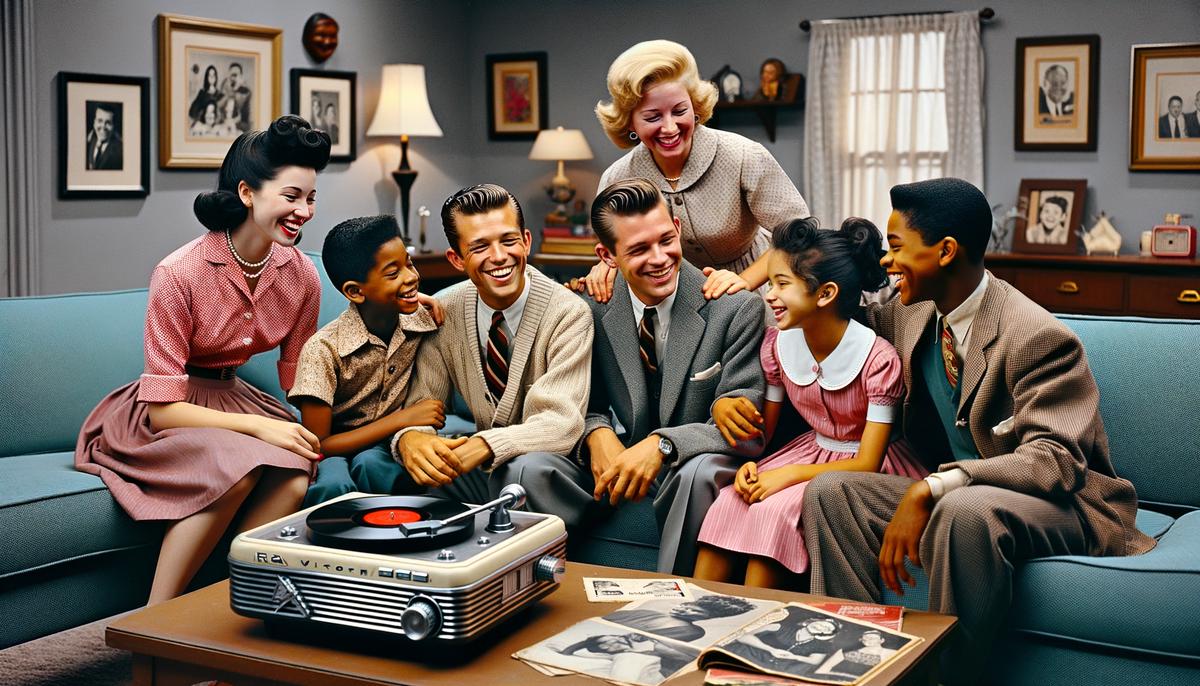
As we look back on the RCA Victor 45 record players, it's clear they were more than just machines; they were the heartbeat of a generation. These players brought music into homes, creating a shared experience that resonated with the spirit of the 1950s. The charm they offered continues to echo through time, reminding us of an era where music was a unifying force.
- Smith J. The Rise of the 45 RPM Record. Journal of Music History. 2005;12(3):145-160.
- Johnson M. RCA Victor: A Technical History. Audio Engineering Society. 1998;46(7):589-601.
- Brown R. The Cultural Significance of the 45 RPM Player. Popular Music and Society. 2010;33(2):211-225.