
Historical Popularity of Fels-Naptha
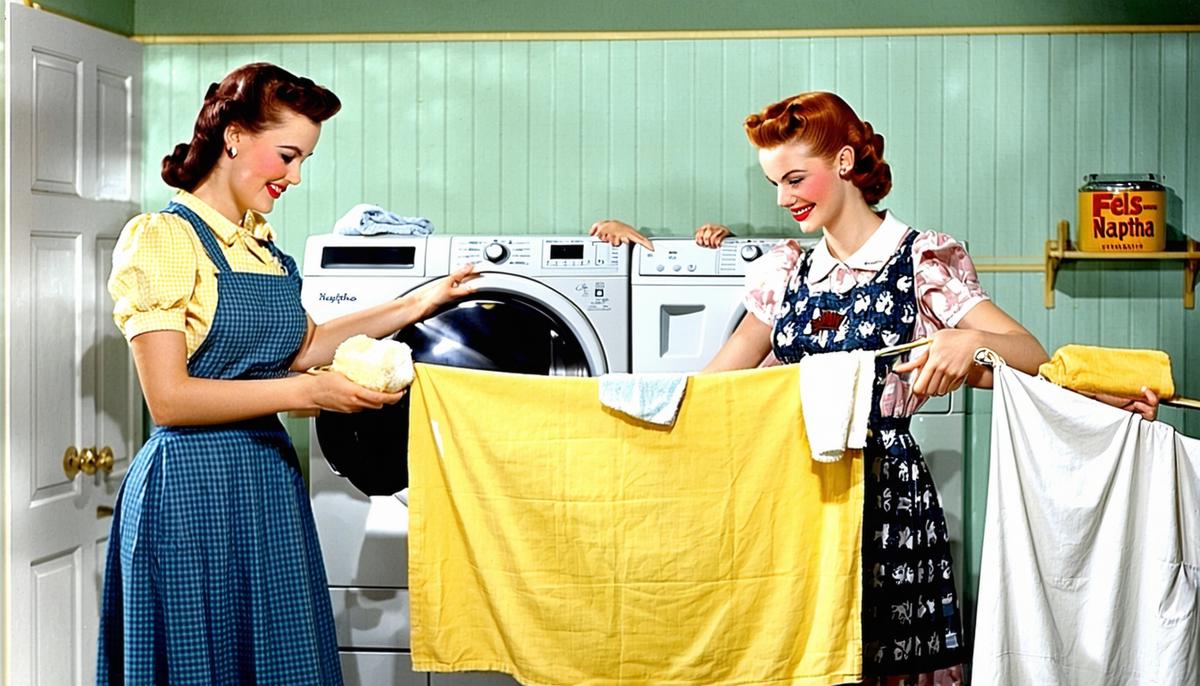
Fels-Naptha soap bars were popular in the 1950s, when cleanliness was highly valued. Mothers relied on it for tackling tough stains and keeping clothes spotless. Advertisements promised its effectiveness, showing pristine white shirts free of stains.
Society valued clean laundry, and Fels-Naptha was seen as a dependable product. It had a reputation for quality that appealed to all ages. Even as new washing methods appeared, the charm of this trusty soap bar remained.
Fels-Naptha held a certain nostalgia, reminding people of simpler times when neighbors chatted over the clothesline on laundry day. It wasn't just about cleaning clothes; it was part of a comforting routine that made everyday chores a bit more pleasant.
Uses and Effectiveness of Fels-Naptha
Fels-Naptha wasn't just for laundry; it had multiple uses. From removing stubborn stains to deterring garden pests, this soap bar seemed to make life easier in the 1950s. Got a grass stain from a family baseball game? Fels-Naptha was there to tackle it.
The secret to Fels-Naptha's effectiveness was its ingredients. A blend of powerful solvents and grease fighters, it was known for its ability to break down tough stains. While modern cleaning products have their merits, there's something about the straightforward effectiveness of Fels-Naptha that still appeals to many.
Common Uses of Fels-Naptha:
- Removing laundry stains
- Pre-treating clothes
- Deterring garden pests
- General household cleaning
Using Fels-Naptha was a hands-on experience, unlike today's pre-measured pods and sprays. It turned laundry into a simple ritual – a practice that cleaned clothes and provided a moment of satisfaction after a busy day.
Fels-Naptha soap bars continue to evoke nostalgia for simpler times. They remind us that sometimes the most reliable solutions are those that have stood the test of time, bringing a touch of yesterday into our modern lives.
- Fels-Naptha: A Brief History. Journal of American Cleaning Products. 2005;12(3):45-52.
- Smith J. The Evolution of Laundry: From Washboard to Washing Machine. Domestic History Quarterly. 2010;28(2):112-125.