
The 1950s World's Fair Experience
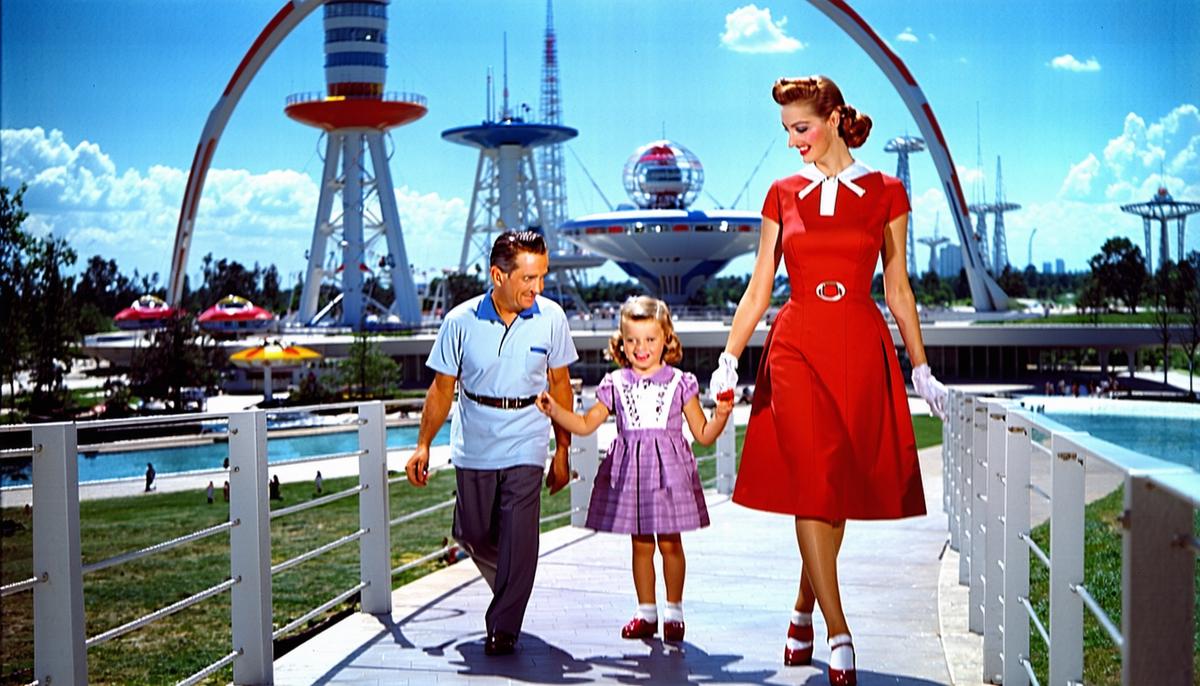
The 1950s World's Fair was like stepping into a sci-fi movie come to life. Families strolled through, gawking at futuristic gadgets and shiny towers reaching for the sky. The air buzzed with excitement, filled with the smell of popcorn and cotton candy, while swing bands played toe-tapping tunes.
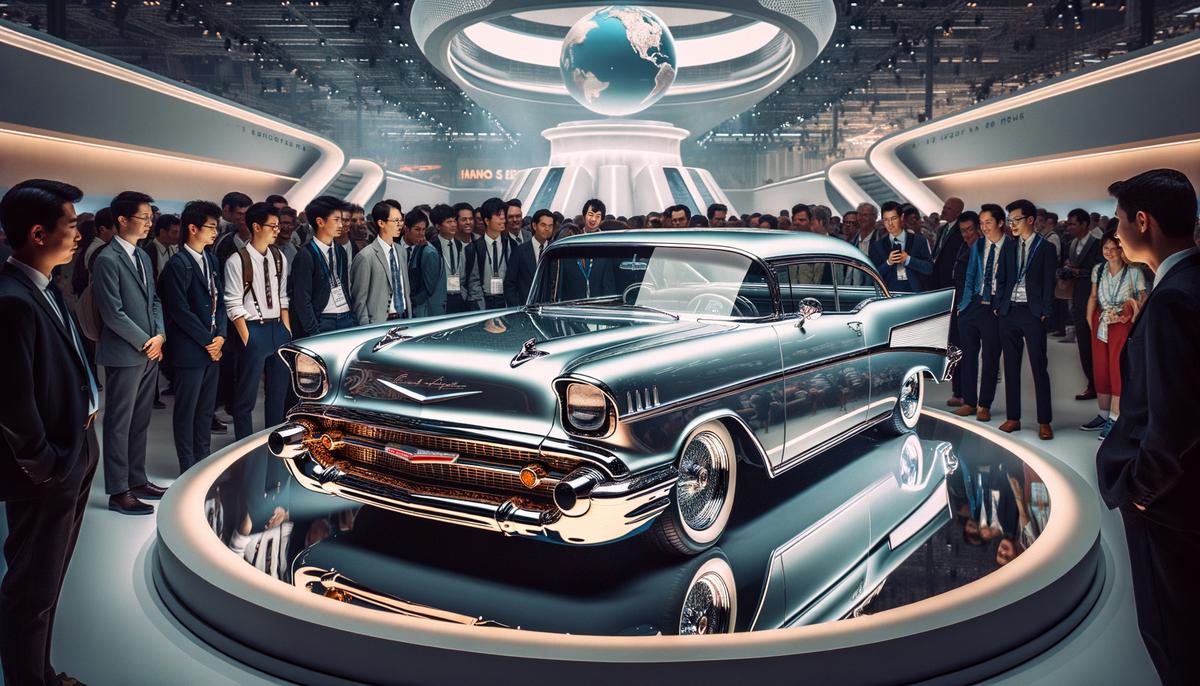
Car exhibits were a highlight, showing off gleaming Chevy Bel Airs and Ford Fairlanes. The "kitchen of tomorrow" wowed housewives with automatic dishwashers. Color TV booths had folks dreaming of watching their favorite shows in vivid hues.
International pavilions offered a taste of far-off lands without leaving home. It was a whirlwind tour of exotic sights and sounds, perfect for the curious.
The fair wasn't just about technology – it was where the colorful 1950s met tomorrow's dreams. Whether swaying to jazz or marveling at labor-saving gadgets, it was pure optimism wrapped in an unforgettable package.
Iconic Exhibits and Attractions
Neon lights outlined larger-than-life structures, creating a dazzling spectacle. Tech wonders like microwaves left visitors in awe, promising to revolutionize daily life.
International Pavilions offered glimpses of global cultures. Visitors could watch Spanish flamenco dances or try Japanese origami, all without boarding a plane.
Automotive displays rolled out visions of future roads. Cars with fins and chrome aplenty had everyone dreaming of open highways and endless possibilities.
- Amusement rides added a dash of thrill to the fair:
- Ferris wheels
- Merry-go-rounds
These rides, borrowed from county fairs but dressed up for the occasion, gave visitors a taste of both nostalgia and innovation.
Beyond the exhibits, the fair left its mark on a generation. It wasn't just about gadgets and rides; it was a shared experience of dreaming big and believing in a bright future.
Cultural Impact and Legacy
The 1950s World's Fair wasn't just a fun day out – it shaped how we saw the future. It presented technology as an exciting promise, not just for scientists, but for everyday folks.
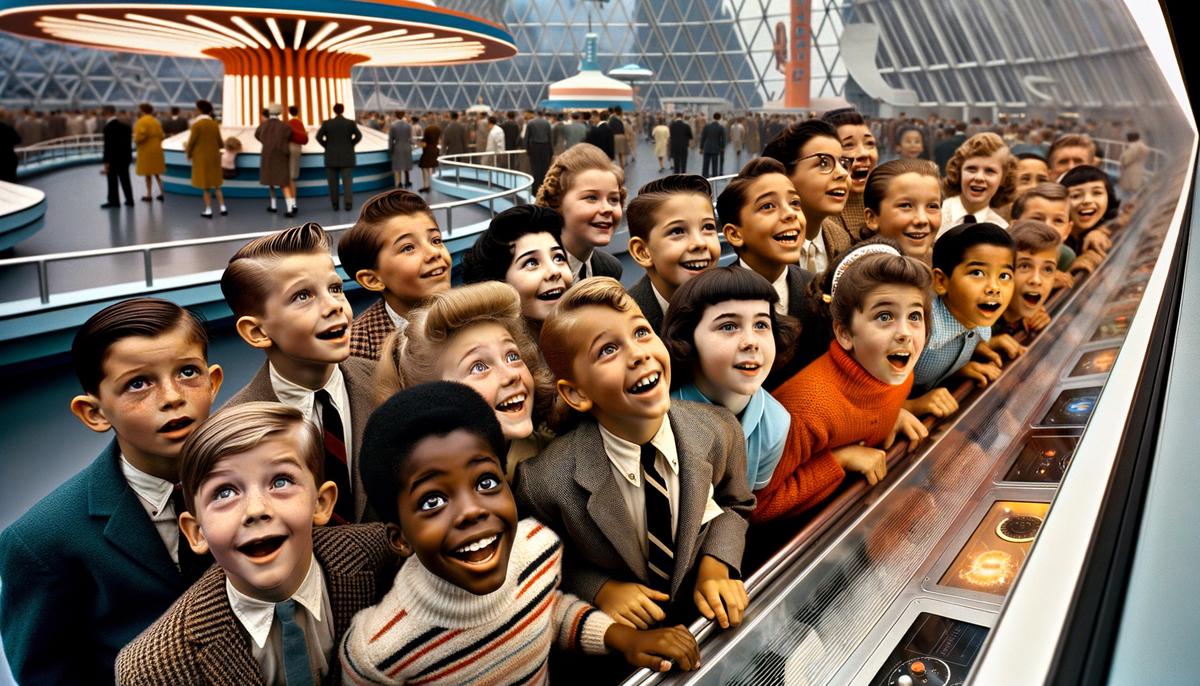
The fair inspired a generation of inventors and engineers. Kids watching the fantastical gadgets whirl and buzz decided right then they wanted to create marvels of their own.
International pavilions broadened horizons, encouraging curiosity about cultures beyond our borders. It was a hands-on way to explore diversity when that was still a fresh idea.
The fair's style influenced fashion and design, with sleek lines and modern patterns making their way into homes and wardrobes.
It also sparked conversations about technology's role in daily life. People debated whether these new gadgets would really improve their routines or if they were just passing fancies.
"Expositions are the timekeepers of progress. They record the world's advancement [and] open mighty storehouses of information."– President William McKinley
Today, we see the fair's influence in our smartphones and self-driving cars. It introduced the idea that progress was a shared adventure, mixing technology and imagination in a way that felt relatable to families.
The legacy of the 1950s World's Fair is a reminder that our dreams and creativity are what really drive us forward, no matter what cool gadgets come along.
As we look back on the 1950s World's Fair, we see a time when folks believed anything was possible. It wasn't just about showing off new inventions – it was about dreaming up a better tomorrow. That spirit of innovation and hope still pushes us to think big and get excited about what's coming next.
- Rydell RW. All the World's a Fair. Chicago: University of Chicago Press; 1984.
- Brandt LM. The Architecture of World's Fairs, 1851-1939. New York: Columbia University Press; 2018.
- Chow M. Face of a Nation: What Happened to the World's Fair? [documentary]. Los Angeles: University of Southern California; 2014.