
Sheaffer Snorkel Statesman
Picture this: 1950s America, a time when fountain pens were as common as wristwatches. The Sheaffer Snorkel Statesman was a standout in this era of elegant writing instruments.
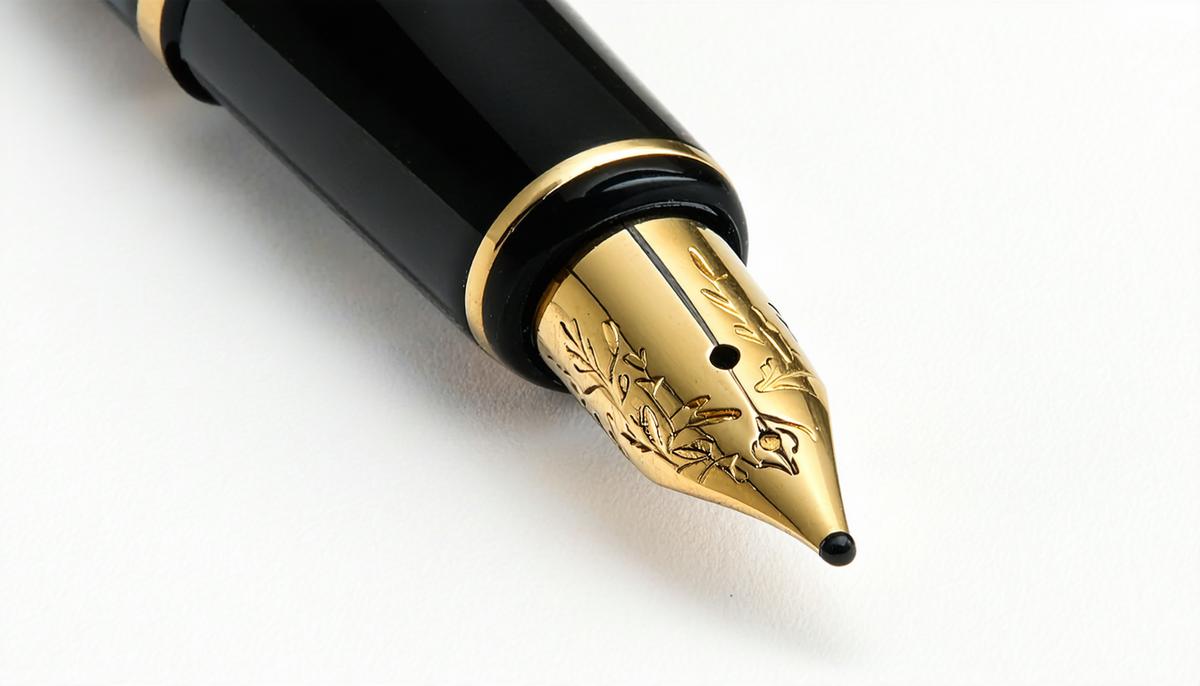
Made between the years of sock hops and Sputnik, the Snorkel Statesman is a piece of Mid-Century design. Covered in jet black resin with gold-filled trim, it's not just a writing tool—it's a statement. Its smooth, sophisticated lines match the era's love for sleek cars and bold fashion.
What makes the Snorkel unique? Its long, thin ink refill tube that earned it the name. Built to last, it still works well for vintage pen enthusiasts.
The nib tip is another interesting feature. Instead of gold, Sheaffer used a palladium-silver alloy due to post-war scarcity. This choice didn't compromise quality, providing a smooth writing experience.
The Snorkel Statesman was priced at $15.50 in 1956, equivalent to about $139 today. Not cheap, especially two decades before credit cards became popular.
The original box adds to its nostalgic appeal. This pen set says "classy" without being flashy. While there were higher-end models like the Masterpiece, the Statesman held its own with style and function.
When you use a Snorkel Statesman, it's like taking a little trip back to a decade of big dreams and even bigger cars. It's more than just a pen—it's a slice of history from a time when things were built to last.
Parker vs. Sheaffer Manufacturing
In the 1950s fountain pen world, Parker and Sheaffer were the big names, each with its own approach to manufacturing.
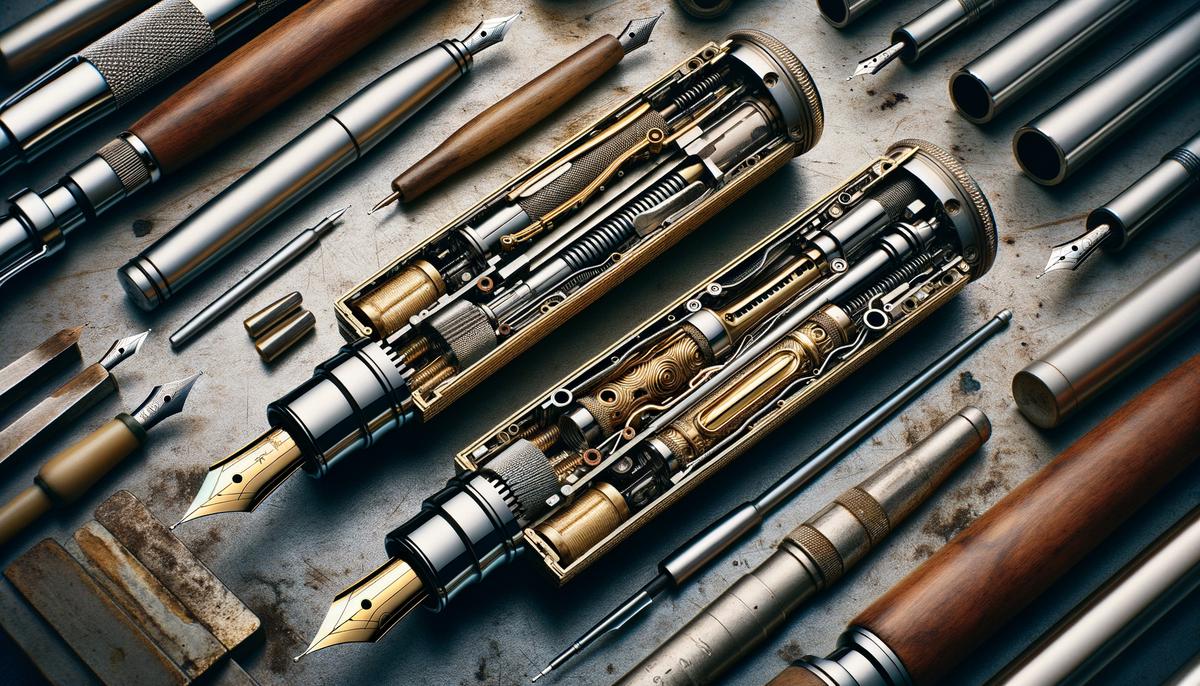
Parker took a standardized approach, making pens with interchangeable parts. This was great for repairs—you could easily swap components between different Parker models. If Parker pens were clothes, they'd be versatile pieces that match everything.
Sheaffer, on the other hand, prioritized variety over uniformity. Each model had its own character, which made repairs more challenging. Fixing a Sheaffer was less straightforward and more of a specialized task.
These different approaches affected repair philosophies too. Parker's style allowed for quick fixes with matching parts. Sheaffer seemed to prefer sending pens back to the factory for repairs.
While Parker's consistency allowed repair shops worldwide to thrive independently, Sheaffer's variety created a culture where each pen was a unique statement. It's a peek into the creative spirit of post-war America, when standing out was celebrated.
This difference between Parker and Sheaffer is more than just about manufacturing. It's a glimpse into a decade full of ideas and style, when even something as simple as a pen could reflect different philosophies of design and function.
Collecting Vintage Fountain Pens
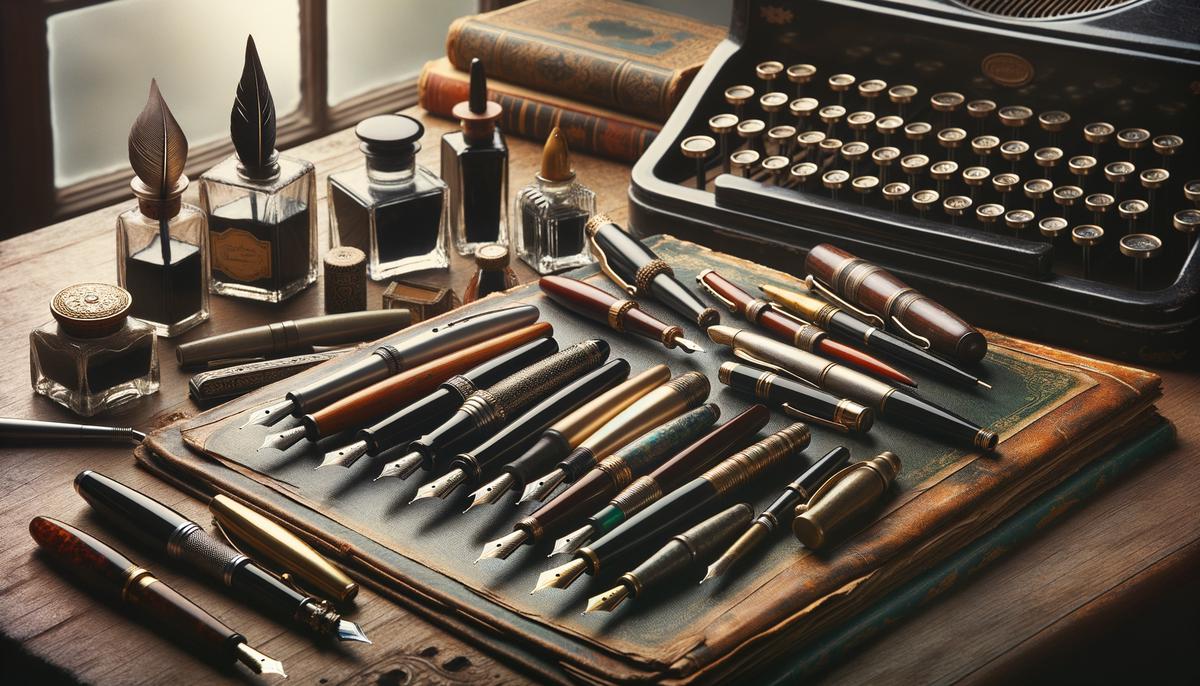
Collecting vintage fountain pens is like a treasure hunt through time. Each pen has a story to tell, from love letters to important documents signed.
One of the cool things about this hobby is that it's not just for rich folks. Sure, some rare pens can be pricey, but there are plenty of affordable options in antique stores or online auctions.
These pens aren't just cool to look at—they're built to last. Owning one is like having a piece of history that you can actually use. Plus, some rare finds can increase in value over time.
When you collect vintage pens, you're also learning about history. Each pen reflects the era it was made in, from design trends to economic conditions. It's like holding a tiny time capsule in your hand.
For pen enthusiasts, it's not just about owning things. It's about connecting with the past while creating in the present. Whether you're writing a letter or just doodling, using a vintage pen adds a touch of nostalgia to your day.
So if you're looking for a hobby that mixes history, creativity, and a bit of treasure hunting, vintage fountain pen collecting might be right up your alley. It's a fun way to hold onto a bit of the past while making your mark in the present.
Sheaffer Nostalgia Series
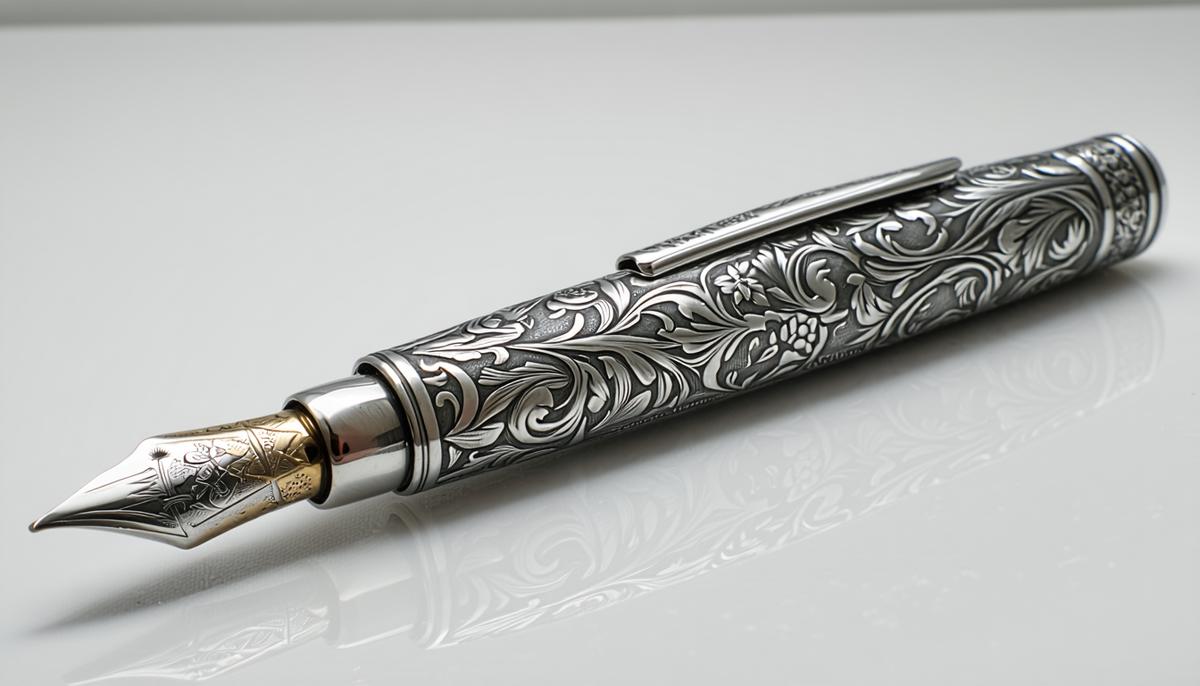
The Sheaffer Nostalgia series, produced from the 1970s to the 1990s, was a modern take on classic overlay pens. These pens sport sterling silver and gold-plated overlays that mimic the filigree designs of early Sheaffer models.
While elegant, the Nostalgia pens don't quite capture the handcrafted feel of true vintage pens. They're well-made, but lack some of the organic charm of their older counterparts. It's a bit like comparing a new retro-style diner to an original 1950s joint.
That said, the Nostalgia series has its merits. These pens are a good option for folks who want a vintage look without the antique price tag. They're reliable, functional, and still catch the eye.
Whether your Nostalgia pen has a single-tone or two-tone nib (some even have 14K gold), you've got a well-made writing tool that nods to history while standing on its own.
So while the Sheaffer Nostalgia series might not match the historical significance of true vintage pens, they offer their own charm. For some collectors or writers, that blend of old-school style and modern reliability is just right.
Whether you're a collector or just someone who likes old-school cool, vintage fountain pens offer a fun way to connect with the past. Each pen is a little piece of history that you can use every day. Pretty neat, right?
- Sheaffer Pen Museum. The History of Sheaffer Pens. 2020.
- Parker Pen Company. Parker: A History of Innovation. 2019.
- Fountain Pen Network. Vintage Pen Collecting Guide. 2021.
- Sheaffer Nostalgia Series Catalog. Sheaffer Pen Corporation. 1985.