
Woolworth's Retail Strategy in the 1950s
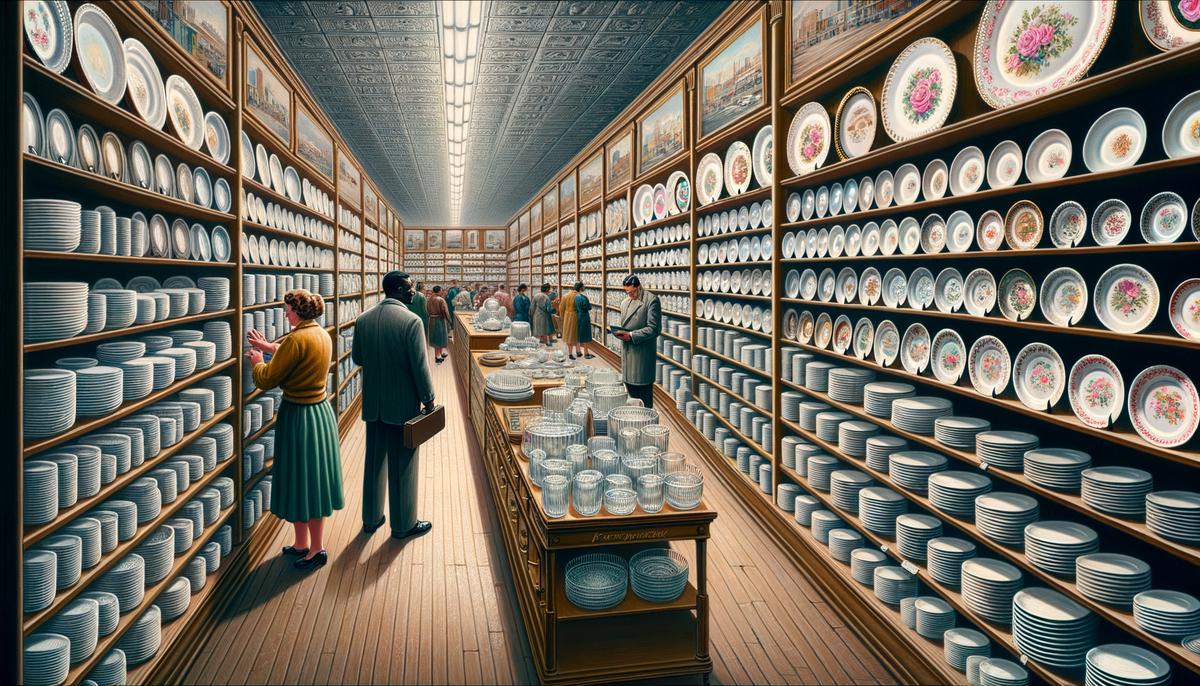
Woolworth's in the 1950s was a treasure trove of everyday elegance. Their shelves were stacked with gleaming pressed glass plates that offered sophistication at a sensible price. Woolworth's had mastered the art of making table settings feel luxurious while sticking to a budget.
This success came from a mix of mass production and smart pricing strategies. Woolworth's kept prices low by sourcing directly from factories, cutting out middlemen. Frank Woolworth's trips to Europe to meet with factory heads meant he was buying goods at rock-bottom prices.
Woolworth's stores turned shopping into an experience, with each visit offering a chance to find affordable beauty. The staff played a key role in adjusting designs and strategies to suit customer preferences.
As the years went on, Woolworth's glassware collection continued to evolve. They adapted to challenges like inflation and post-war recovery, turning restrictions into opportunities. Their ability to keep shelves full of stylish, affordable goods resonated with buyers and reflects a time when savvy shopping and stylish living went hand in hand.
Design and Popularity of Pressed Glass Plates
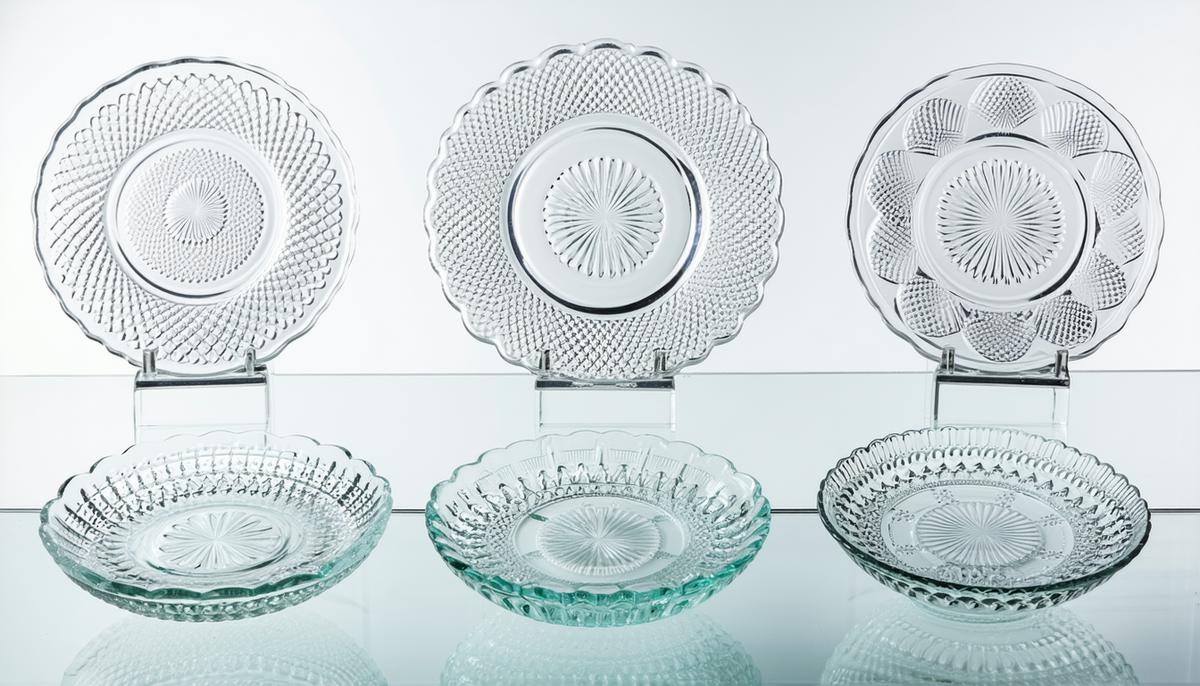
Woolworth's pressed glass plates were the stars of affordable elegance in the 1950s. Each plate could transform a simple meal into a visually captivating event. The designs ranged from geometric patterns to swirling florals, adding a touch of visual harmony to everyday dining.
The plates came in a variety of styles to suit different tastes:
- Angular Art Deco inspired motifs for a modern touch
- Delicate vine and floral designs for a more traditional look
- Colors ranging from romantic pinks to timeless clear glass, with blues and greens adding a natural touch
These plates weren't just pretty – they were practical too. They were surprisingly sturdy, reflecting the 1950s spirit of blending practicality with grace. Homemakers could confidently use them for dinner parties without worrying about breakage.
Woolworth's pressed glass plates became a mainstay in 1950s homes, offering a bit of sparkle without breaking the bank. They were part of a trend towards accessible luxury, allowing everyone to enjoy a touch of style at the dinner table.
Manufacturing and Distribution
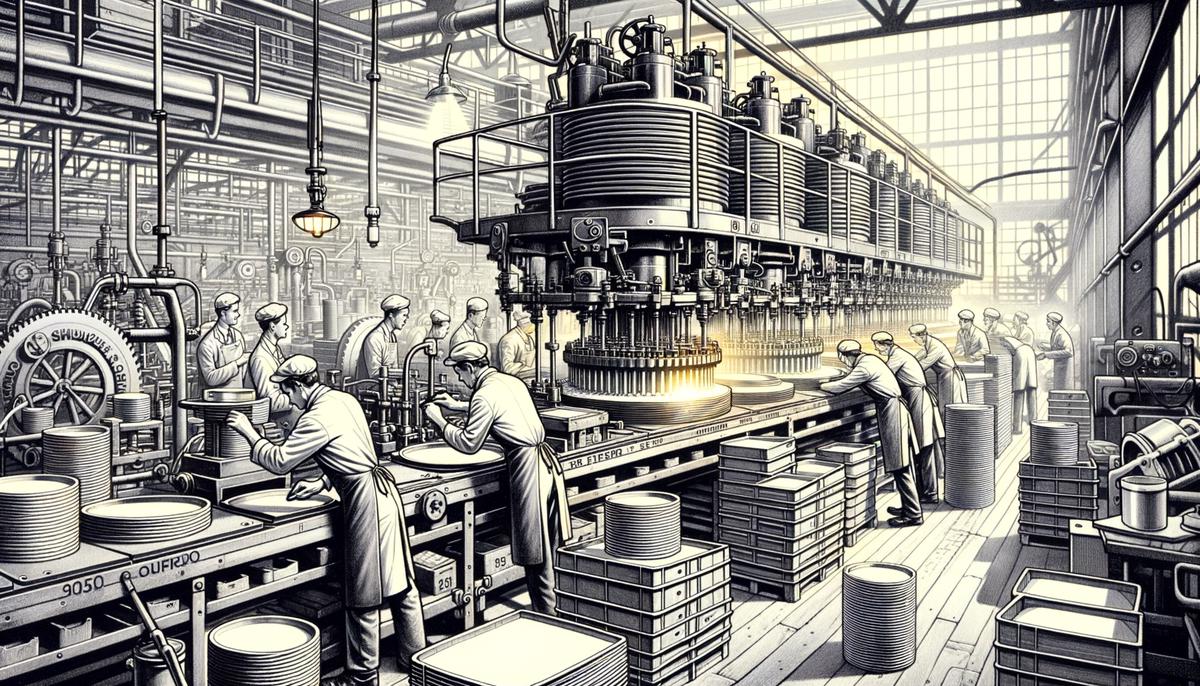
The magic of Woolworth's pressed glass plates extended to their manufacturing and distribution process. Large factories transformed sand, soda ash, and limestone into intricate glass designs. The production lines created consistent patterns, ensuring Woolworth's shelves were always stocked with these popular items.
Woolworth's distribution network was equally impressive. Their supply chain efficiently delivered these plates across the country, ensuring no customer had to settle for less glamorous alternatives. Logistics teams worked hard to get the products from factory to store shelves quickly and safely.
This combination of efficient manufacturing and smart distribution allowed Woolworth's to keep their pressed glass plates affordable and accessible. From New York to Los Angeles, customers could find these little pieces of everyday luxury in their local Woolworth's store.
Cultural Impact and Legacy
Woolworth's pressed glass plates played a significant role in 1950s American culture. They were part of a trend that made style accessible to everyone, helping families move past the austerity of wartime rationing.
These plates fit perfectly into the decade's embrace of "modern convenience." They allowed average families to set a table that looked like it belonged in a magazine, adding a touch of glamour to everyday meals. As families gathered around the table, these plates became part of cherished memories and traditions.
"We give great value and we encourage people to trade up." – Fred Woolworth
Today, these plates are sought-after collectibles. They represent a time when beauty was attainable for all, not just the wealthy. Vintage enthusiasts collect them alongside other 1950s memorabilia, seeing in them the optimism and style of the era.
Woolworth's pressed glass plates remind us of a time when elegance was part of everyday life. They continue to charm us with their blend of practicality and beauty, a lasting symbol of mid-century American culture.
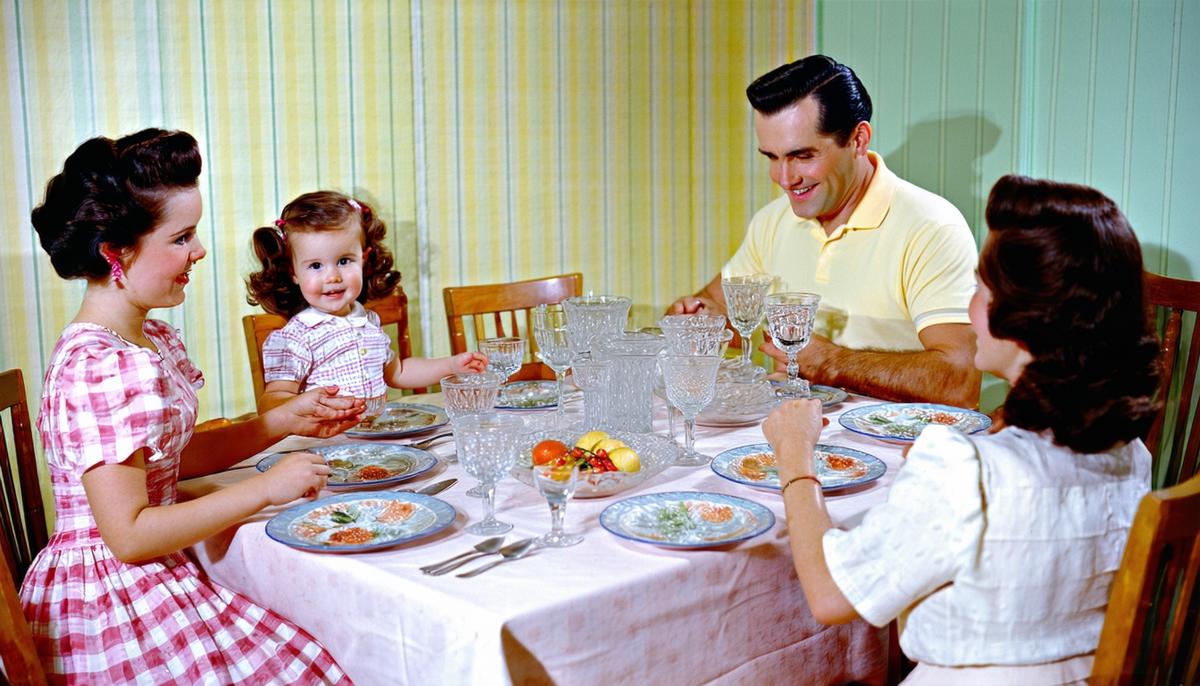
Woolworth's pressed glass plates were more than just dinnerware; they were symbols of an era where style and affordability danced together on every table. These plates remind us that elegance and charm were accessible to all, bringing a touch of grace to everyday life. As we look back, they continue to shine as a testament to the enduring allure of mid-century America.
- Stephenson WL. The Story of Woolworth's. London, UK: Hutchinson; 1964.
- Gray K. A Different Kind of Web: New Connections Between Archives and Our Users. Chicago, IL: Society of American Archivists; 2011.
- Woolworths Museum. The Story of the Woolworths Company. Woolworths Museum website.