
Bing Crosby's Radio Era
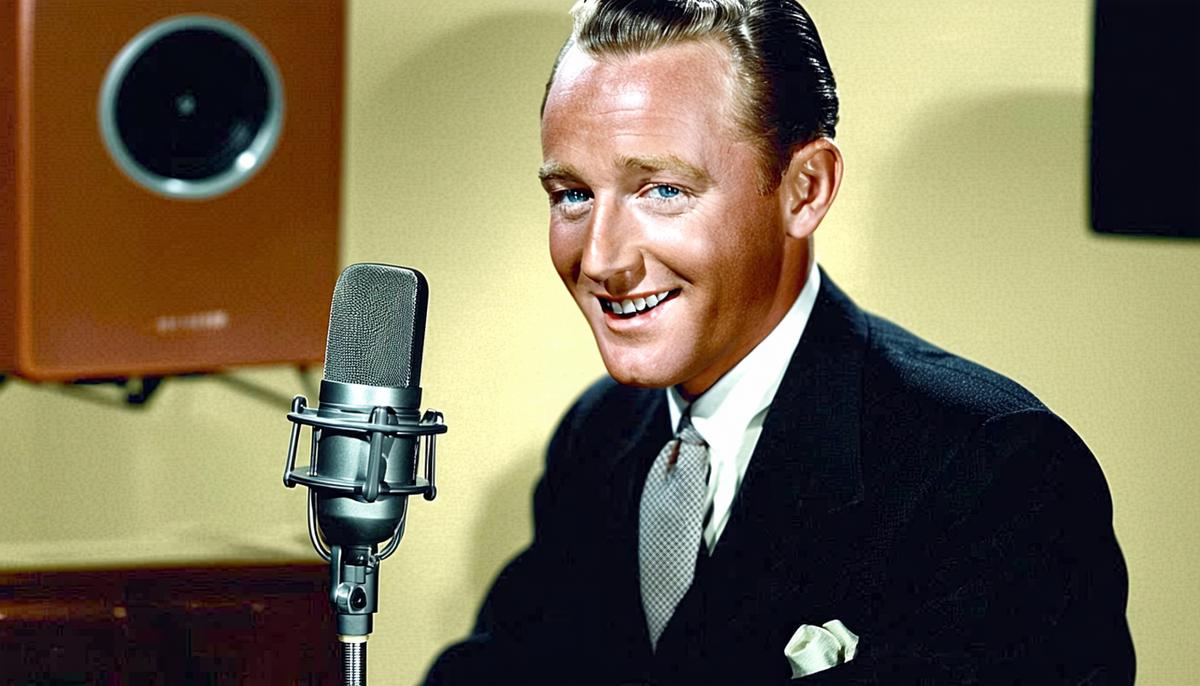
Bing Crosby embarked on a new venture with Chesterfield in September 1949, his rich baritone filling the airwaves throughout the 1950s. Despite the rise of rock and roll and television, Bing remained loyal to radio, preferring its friendly atmosphere to the demanding nature of TV exposure.
Throughout the decade, Crosby expanded his musical repertoire significantly. He collaborated on duets with stars like Grace Kelly and the Andrews Sisters, producing hit records and appearing in blockbuster movies such as "White Christmas" and "High Society". His rendition of "True Love" climbed the charts, reaching the fourth position on both sides of the Atlantic.
Bing's commitment to radio allowed fans to escape the day's hustle and bustle through his soothing voice. He chose to march to the beat of his own drum, and his melodies continue to captivate those with an ear for nostalgia.
"I don't think radio is dead – or ever will be,"Crosby once professed, demonstrating his unwavering loyalty to the medium.
Perry Como's Rise to Fame
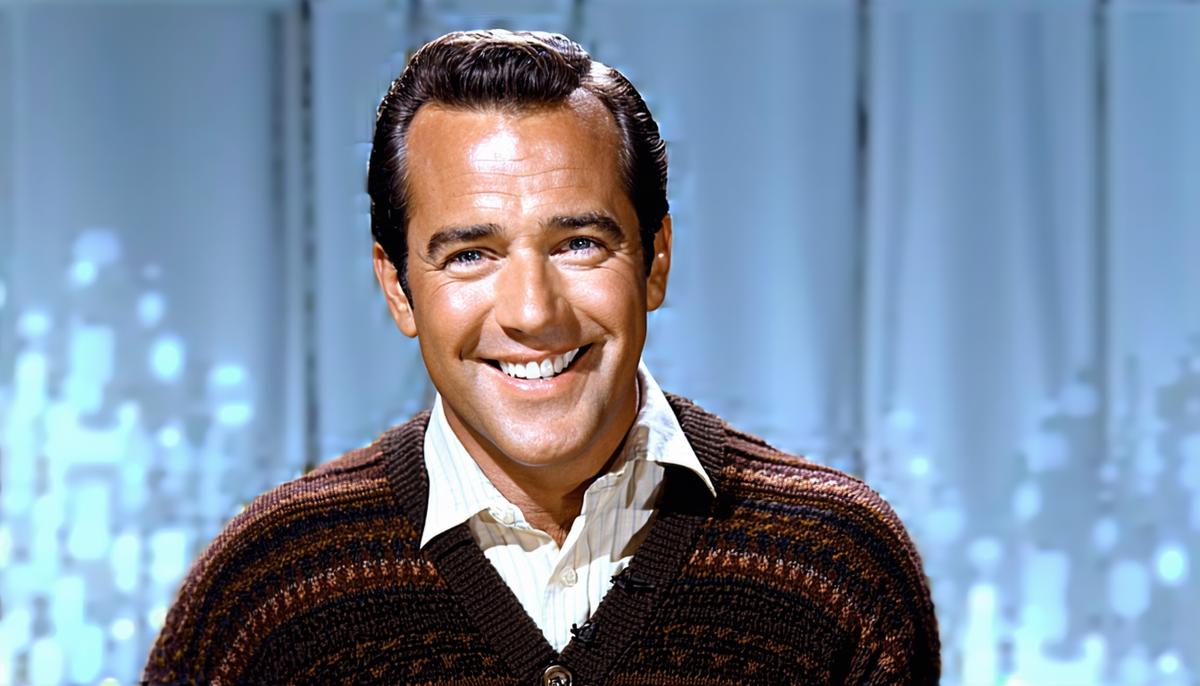
Perry Como, the singing barber from Canonsburg, Pennsylvania, traded his scissors for a microphone, transitioning from cutting hair to performing with big bands. His baritone voice enveloped listeners like a warm cardigan.
Como's ascent to stardom was characterized by his signature ease. His television variety show, The Perry Como Show, brought joy into homes across America with songs and smiles. Hits like "Till the End of Time" and "Catch a Falling Star" flowed from Como's lips like velvet. He also delighted audiences with novelty tunes such as "Papa Loves Mambo" and "Hot Diggity."
While rock 'n' roll took center stage in the '50s, Perry's music stood the test of time. His secret? Maintaining a light, sincere approach, true to himself—a barber who once sang for coal miners and now serenaded millions.
Perry Como's Notable Achievements:
- Signed a 50-year contract with RCA Victor Records in 1943
- Earned the nickname "Mr. Jukebox" from disc jockeys
- Awarded a Grammy for "Catch a Falling Star"
- Sold over 100 million records throughout his career
The Changing Music Scene
The 1950s witnessed significant shifts in the music landscape. Big bands stepped aside as vocalists took center stage. Bing Crosby and Perry Como found themselves at this crossroad, adapting to the changing tides.
Bing maintained his timeless grace as rock and roll emerged. Perry bridged the gap between the exit of big bands and the new sound of rock. Both artists shifted with the times while preserving their essence.
As vocalists claimed the crown from bands, audiences sought a more personal connection. Crosby and Como leveraged this trend, letting their soothing voices do the talking. They recognized that even as rock anthems grew louder, many listeners still yearned for calmer tones.
Through all the changes of the 1950s, Bing and Perry mastered the art of being timeless in a decade that was anything but static. They adapted gracefully while holding onto the melodies that never go out of style.

Cultural Impact of Radio Stars
Radio stars like Bing Crosby and Perry Como were more than just voices on the airwaves—they shaped American culture in the 1950s. Their influence extended to fashion, lifestyle, and entertainment.
Bing's laid-back style inspired fans to mirror his look, from natty sweaters to sharp suits. Perry's unruffled poise and cardigan-wearing charm showed that you could be classy without fuss. Their hits were events, bringing families together around the radio.
These stars embodied the American Dream, transporting listeners to worlds of melody and laughter. Their influence spilled over into the growing TV industry, shaping how future entertainers presented themselves.
The cultural impact of radio stars like Crosby and Como transformed the decade, encouraging a blend of elegance and warmth. Their legacy remains, reminding us of a time when airwaves carried more than just music—they carried the spirit of a nation.
Ways Radio Stars Influenced Culture:
- Fashion trends (e.g., Bing's sweaters, Perry's cardigans)
- Family entertainment rituals
- American ideals and values
- Television presentation styles
- Musical preferences and tastes
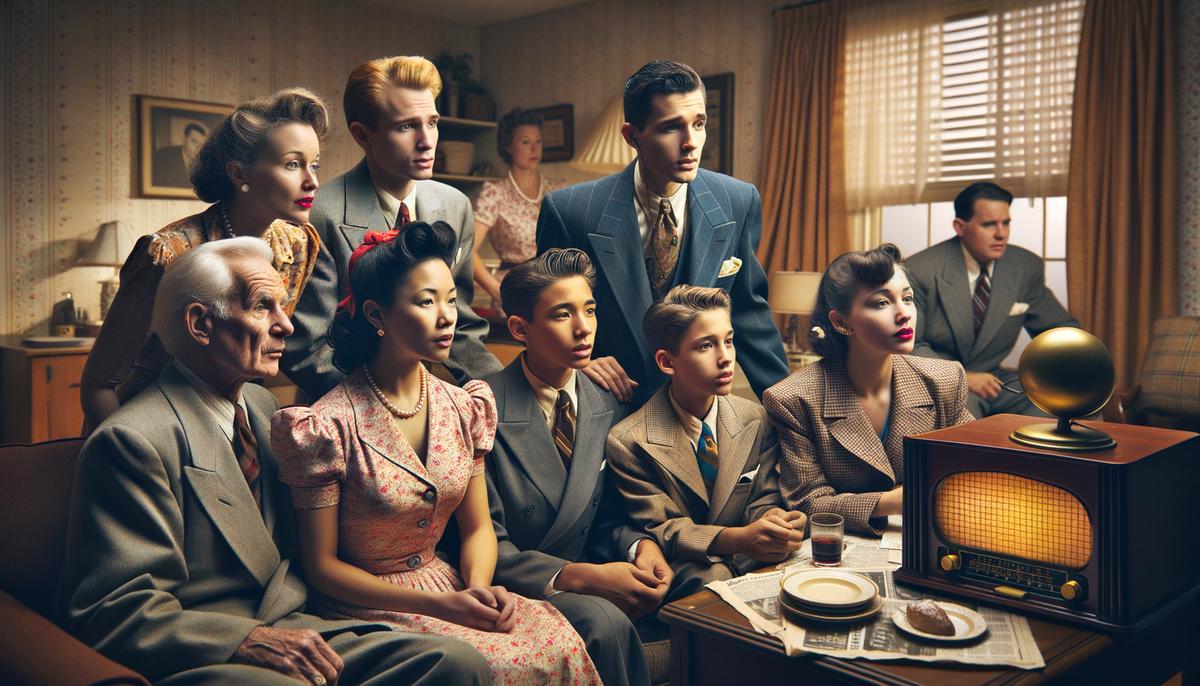
In the 1950s, the voices of Bing Crosby and Perry Como echoed across America, blending timeless charm with the changing tunes of the era. Their ability to adapt while staying true to their style left a lasting impression on music, fashion, and culture.
- O'Connor JJ. Television Review; Perry Como, Still Relaxed After All These Years. The New York Times. 1985.
- Wilson J. Perry Como Sings at Westbury Music Fair. The New York Times. 1976.
- Billboard Magazine. Annual Poll Results. 1943.