
Ah, the 1950s—a time when dreams of tomorrow danced in the minds of many, painting pictures of a future filled with wonders. As we reminisce about those days, it's clear that some visions have become part and parcel of our everyday lives. From gadgets that talk back to us to homes that practically think for themselves, what was once fantasy has tiptoed into reality.
1. Handheld Communication Devices
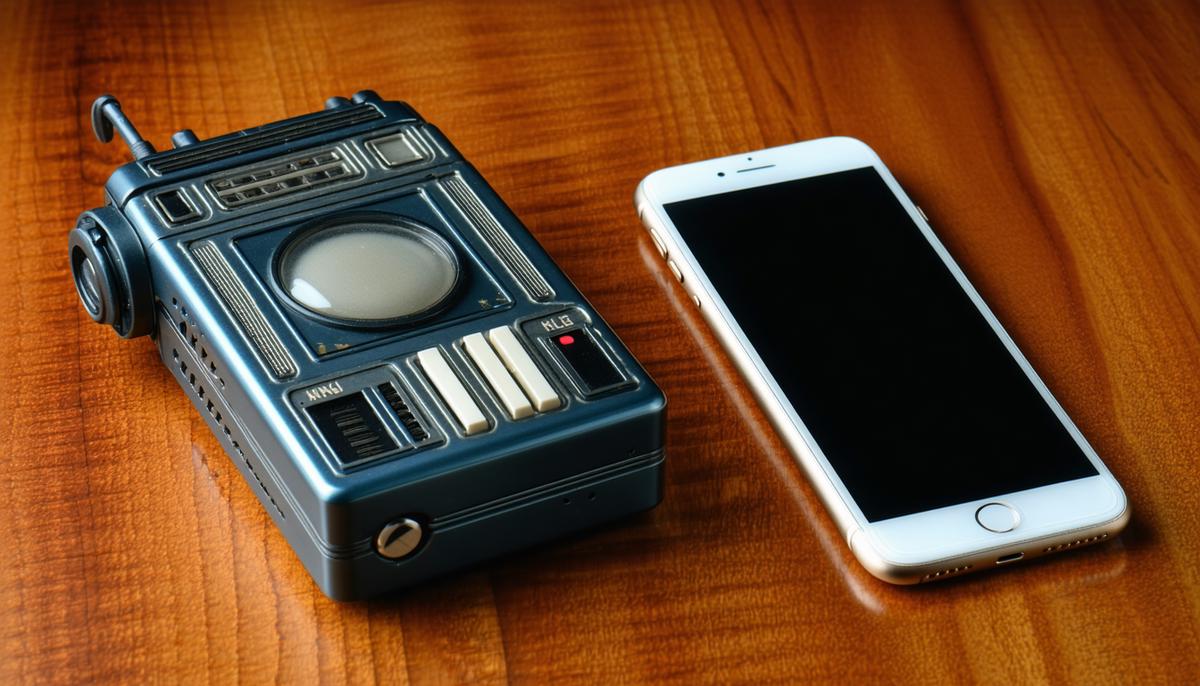
Handheld communication devices? That's one prediction from the 1950s that really hit the jackpot. Back when Ike was president, the idea was straight out of a sci-fi dreamscape, like something you'd expect Captain Kirk to flip open in the original Star Trek series.
Fast forward a few decades, and those nifty flip phones were popping up quicker than a twist contest at the local diner. Motorola gave us the first mobile phone in 1983. It was about as slender as a brick, but hey, progress takes time. We've steadily evolved from those clunky first models to the sleek smartphones that are practically glued to our palms today.
The 1950s sci-fi whizzes had it right, capturing the imagination with visions of gadgets that let you gab from the grocery store or whisper sweet nothings from your convertible on Route 66. Now, whether we're Facetiming mom or scrolling through pictures of Elvis wannabes, those fictional communicators were like crystal balls that peeked into our future.
2. Global Computer Network
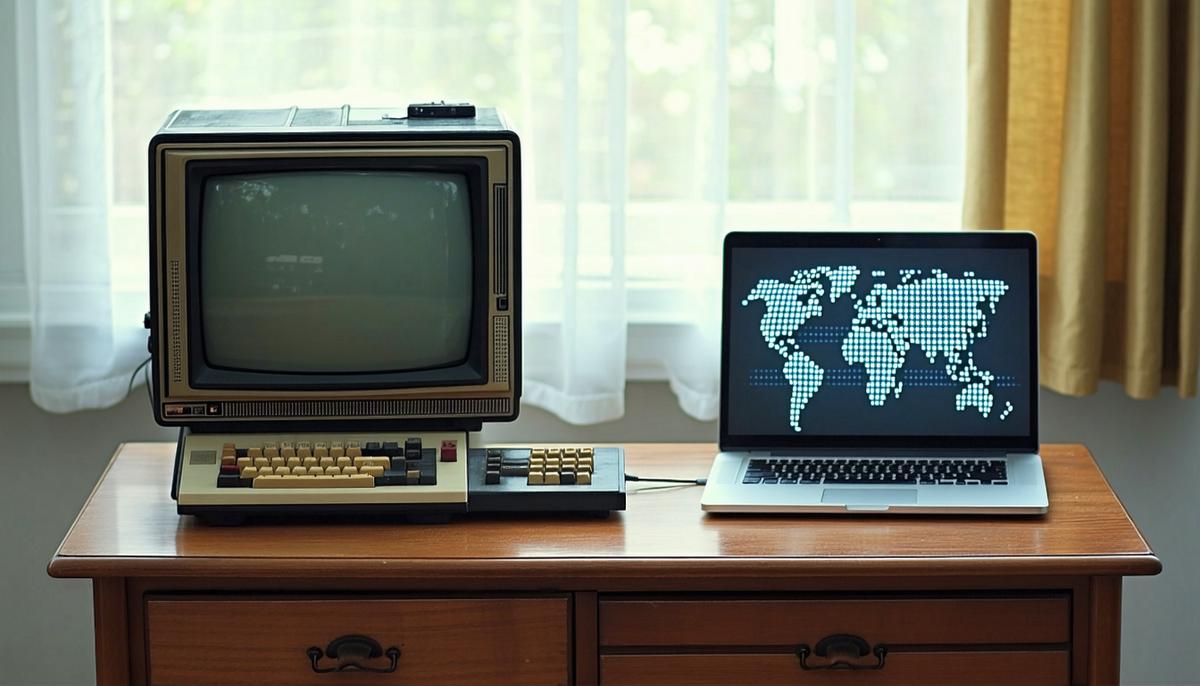
Can you imagine a time when the only thing 'networked' was Grandma's yarn at her knitting club? Enter Isaac Asimov's 1951 "Foundation" series, weaving a tale of a world where computers talked to each other faster than you could say "rink-a-dink." Asimov introduced the idea of a global computer network, which today we tip our hats to as—ta-da!—the internet.
Way back when, his vision seemed as fantastical as flying cars parked outside your picket-fenced dream house. Yet, here we are, streaming sock-hop playlists, sharing retro fashion tips, and even catching up on classics from the 50s at the clickety-clack of a keyboard. This incredible web of ones and zeroes has changed the way we learn, work, and socialize.
Just think about your average 1950s living room—a cozy nook where families gathered around the radio or flickering black-and-white TV. Little did they know we'd step into a future where social gatherings would often happen in the glow of a laptop screen, as chitchat shifted from the soda shop to platforms like Facebook and Twitter.
3. Artificial Intelligence Assistants
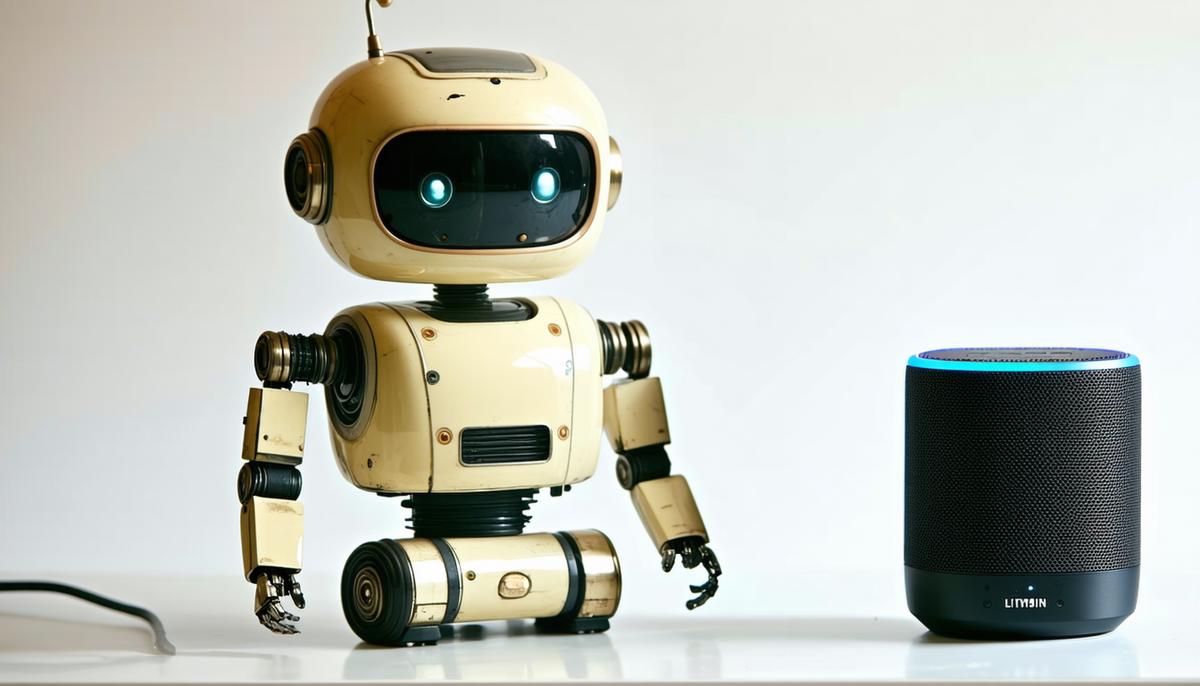
Back in the rip-roaring 1950s, the thought of having a friendly helper that wasn't your next-door neighbor lending a cup of sugar seemed about as plausible as catching a ride to the moon with Flash Gordon. Yet, sci-fi scribes fancied the idea of smart machines that could lend a hand faster than you could say, "Gee whiz!"
Fast-forward to today, and those whiz-bang dreams have sprung to life. Artificial intelligence assistants, like our trusty gadgets Siri, Alexa, and Google Assistant, now fill our days with more than just boppin' tunes. They've evolved to become the unsung heroes of our modern lives, juggling reminders, playing DJ at impromptu sock hops, and answering nagging questions.
These digital helpers are every bit as savvy as those imagined by the minds steeped in mid-century sci-fi wonder. With just a simple voice command, they can automate your home more efficiently than a 1950s housewife with a brand-new dishwasher, brightening lights, adjusting thermostats, and even helping with the groceries—though sadly, they still won't whip up a meatloaf like Mom used to!
4. Space Travel and Exploration
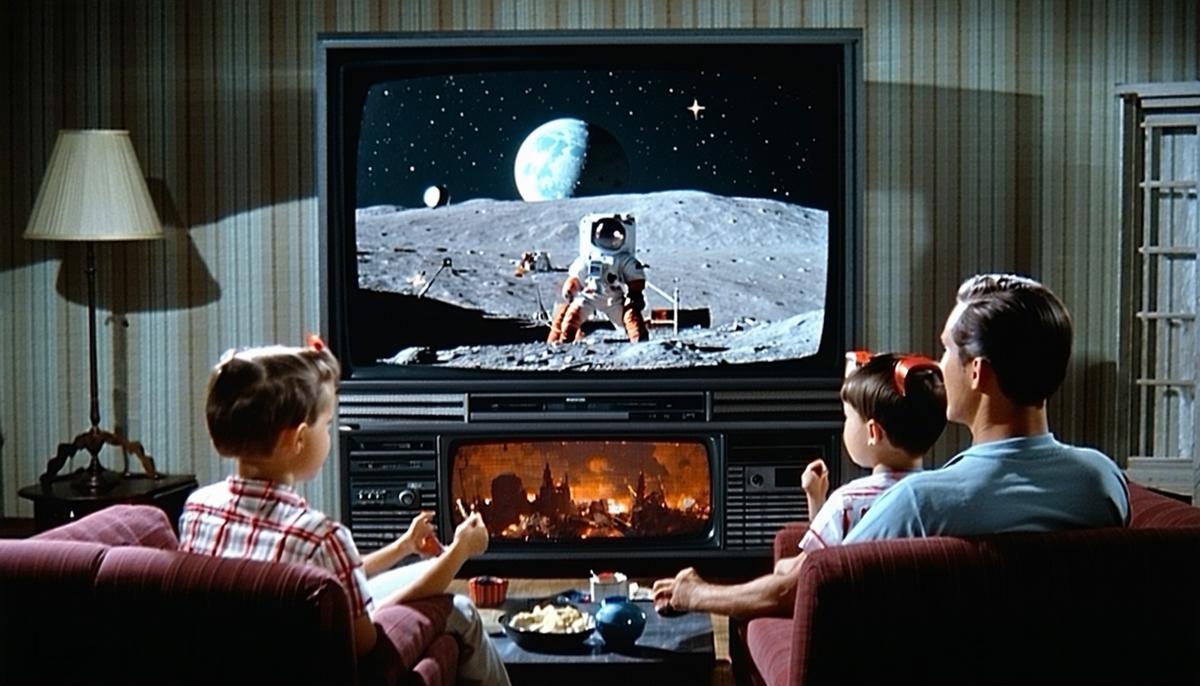
In the sky-high dreams of the 1950s, when Elvis was king and poodle skirts were all the rage, the idea of space travel seemed as fantastical as finding a jukebox in the local soda fountain that played itself. Yet, those silver screen imaginations and dime-store sci-fi tales dared to picture rockets soaring beyond our earthly bounds.
Back then, it was flicks like "Destination Moon" and "Rocketship X-M" that painted a picture of a future where space wasn't just the final frontier but a reachable playground for adventurous souls. Those films laid the imaginative groundwork that got folks dreaming of life beyond our blue planet.
Flash forward to 1969, just a couple of short decades later, and Neil Armstrong was taking one giant leap for mankind on the moon, transforming those celluloid dreams into history books around the world. The sci-fi visionaries of the 50s had anticipated a world where swiveling talk of galactic conquests was as common as discussing Ike's new freeway projects.
Nowadays, as rockets launch and rovers roam the Red Planet, those early tales of space travel still linger like a beloved oldie at a sock hop. They remind us of an era where anything seemed possible, like interstellar road trips with friends or laying claim to a star-studded backyard at the edge of the galaxy.
5. Video Communication
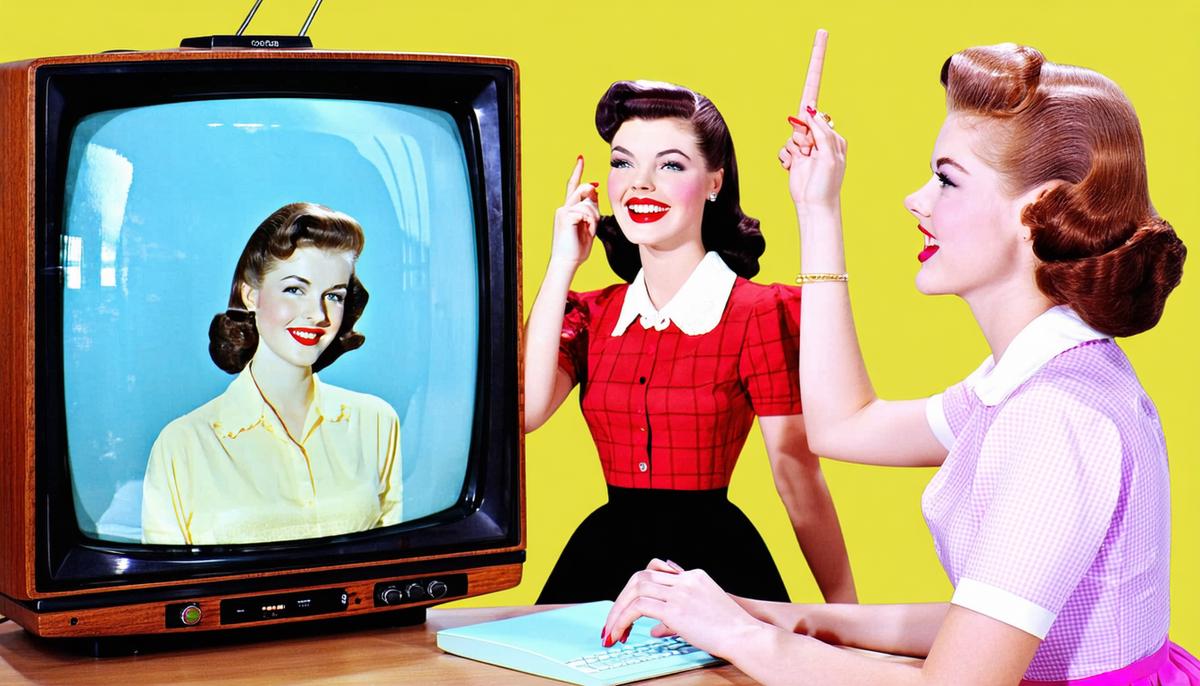
Back in the 1950s, the idea of video communication was as fanciful as a flying saucer parked at the drive-in. Yet, futuristic storytellers spun tales where long-distance chit-chats happened via screens, making today's FaceTime and Skype look like fancy distractions from a sock hop rather than downright necessities.
It was shows like "The Jetsons" and visions from comic strips that painted scenes of families gabbing through video screens, laughing and sharing smiles, as if they were sipping on milkshakes together in the local diner. This peek into a connected future had the imaginative air of a parlor trick—one where separated friends could gab away without the long-distance telephone bills.
Fast forward to our times, and lo and behold, video calls are as common as peanut butter and jelly. Now, we're not just hearing voices from afar, but seeing the twinkle in someone's eye or the warmth of a grandparent's grin, all thanks to the digital magic that sci-fi first whispered into those 1950s ear flaps.
Whether it's catching up on family gossip or sharing a virtual cup of joe with pals towns away, this futuristic fairy tale from way back when is now as real as the poodle skirts in a sock hop floor. Those once-grand dreams are now as normal as switching on the telly, turning fiction into everyday moments where distance melts away quicker than a scoop of ice cream on a summer day.
6. Smart Home Technology
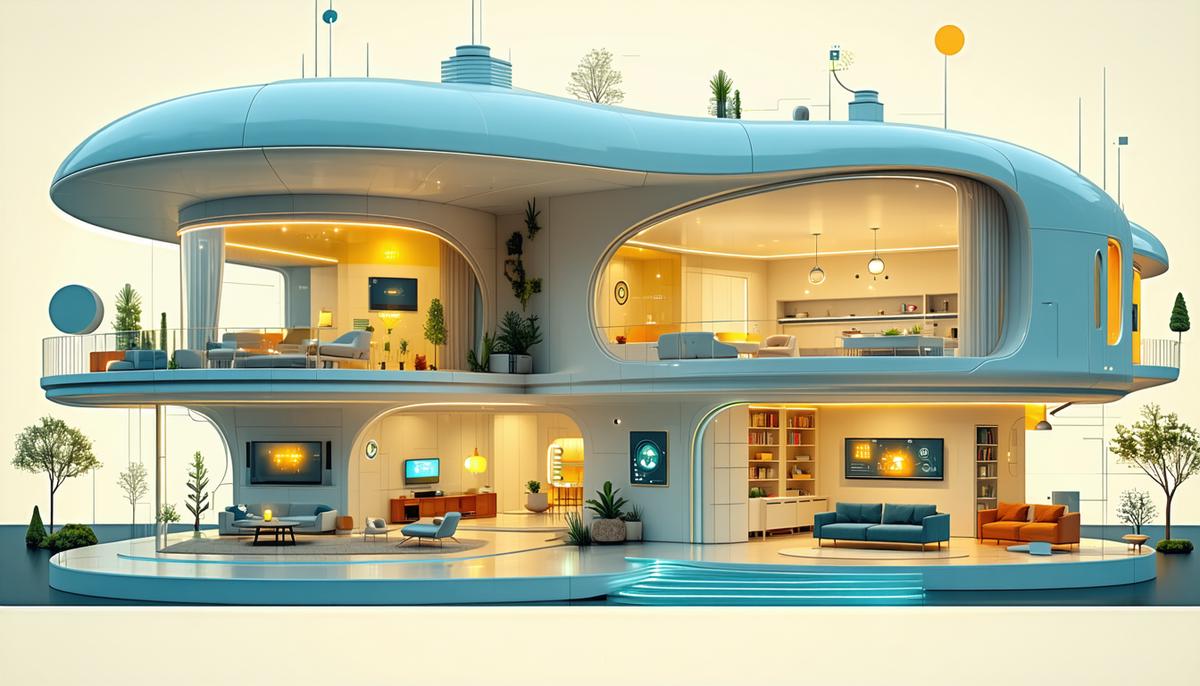
Imagine a time when the pinnacle of home automation was a washing machine that didn't need a washboard. Yep, I'm talkin' about the rock 'n' roll 1950s, a decade when the average household gadget was as quirky and endearing as your dear ol' Aunt May. But when the sci-fi scribes got their hands on storytelling, they imagined homes that practically ran themselves.
Now, those creative cat's pajamas conjured a world where homes were as smart as a 1950s valedictorian. Sci-fi fables showcased kitchens and living rooms practically rolling out the red carpet for you, sprinkling conveniences into daily life like confetti at a parade. Think countertops that cooked meals at the touch of a button or lights that dimmed with a whisper, all before the era of lava lamps and hi-fi stereos actually gave us a taste of automated flair.
Fast forward about fifty shades of future, and right there on your doorstep—or smartphone—are gadgets that bring those once-lofty ideas into the here-and-now. Turn on your A/C without getting up from your favorite armchair? No problem! Forgot to turn off the lights before leaving the house? Just holler at Alexa to do it. These homes of today are juggling tasks with a flair that would make Rosie the Robot's head spin!
From thermostat battles with digital assistants to setting a whole mood with nothing more than your voice, our modern abodes are happily echoing those imaginative whispers of yesteryear. They've transformed from being simple shelters into high-tech havens that'll guess tomorrow's weather before you even open the curtains.
7. Human-Robot Interaction
Back in the fizzy days of the 1950s, when sock hops were the bee's knees and the jukebox was the star of every diner, robots were the stuff of both dreams and daydreams. Those sci-fi tales of yore were filled with metal companions clinking and clanking through adventures, imagining robots as both pals and problem-solvers who could perk you up faster than a freshly made malt.
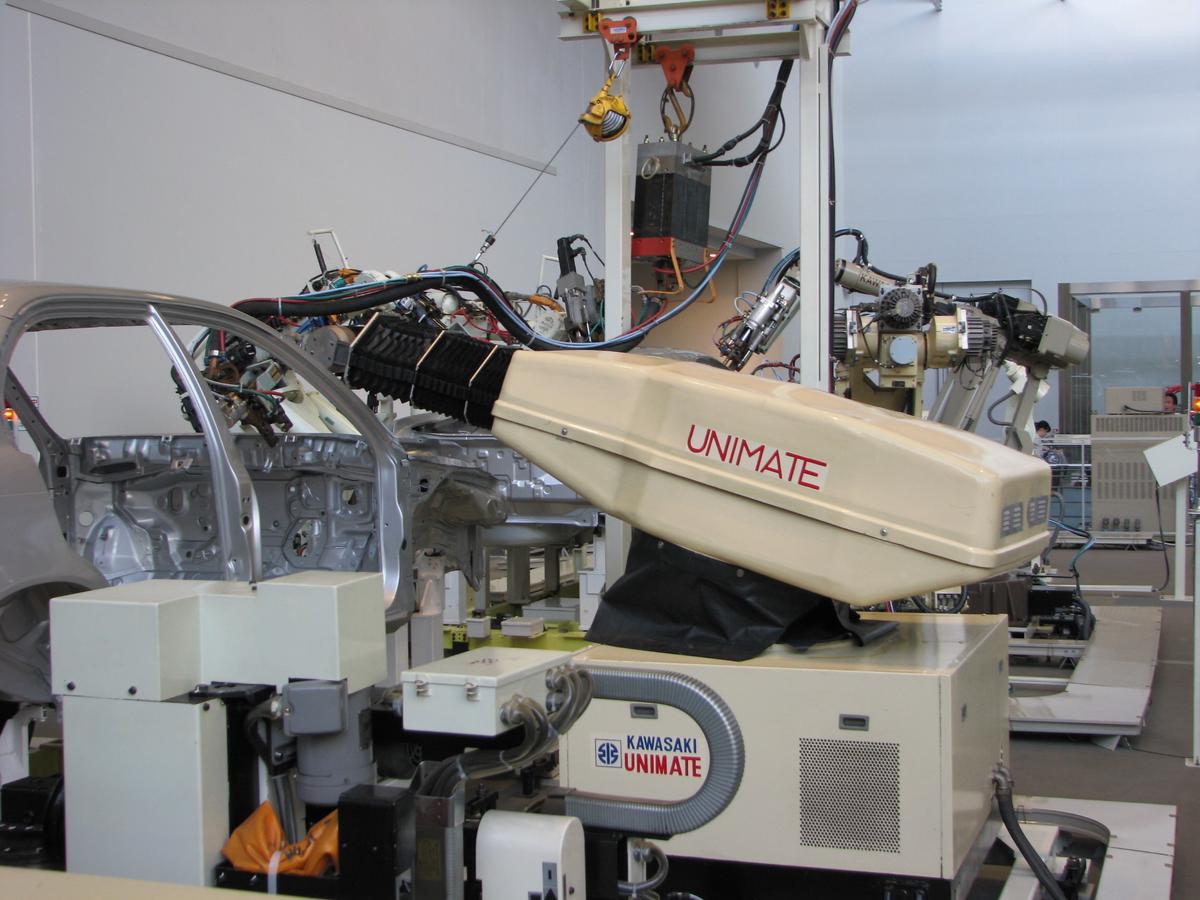
Fast-forward to our modern times, and lo and behold, real-life robots are dodging dishwashing duties and instead rolling up their sleeves—eh, circuitry—to assist us in ways those mid-century minds could barely fathom. Sure, we're not living in a world where robots whip up waffles or polish your saddle shoes yet, but here they are anyway, holding doors open and zipping around in labs faster than a jitterbug dance at the local gym.
Today, robots are more than just metallic marvels on the assembly line. They're helping out in hospitals, vacuuming our floors, and even teaching our kids. Each one hums along with the same zeal as those early sci-fi imaginings, whether they're serving up reminders for Grandpa's pills or delivering packages when you're too tuckered out to hit the porch.
As we welcome these tech-savvy sidekicks into our living rooms, schools, and workplaces, it's easy to see how those wide-eyed storytellers of the 1950s laid the groundwork for our human-robot endeavors. They were the ones who sparked our curiosity, dreaming of the day when Rosie the Robot and R2-D2 would feel as cozy in our lives as a Sunday drive in a candy-colored convertible.
As we look back at those imaginative 1950s tales and see how they've shaped our present-day world, it's a gentle reminder that sometimes dreams do come true—just not always in the way we expect. So here's to those dreamers who dared to imagine a future brimming with possibilities!
- NASA. Climate Change: How Do We Know? NASA Global Climate Change.
- Urban Institute. Nine Charts about Wealth Inequality in America (Updated).
- National Renewable Energy Laboratory. The History of Solar.