
First-Class Experience Evolution
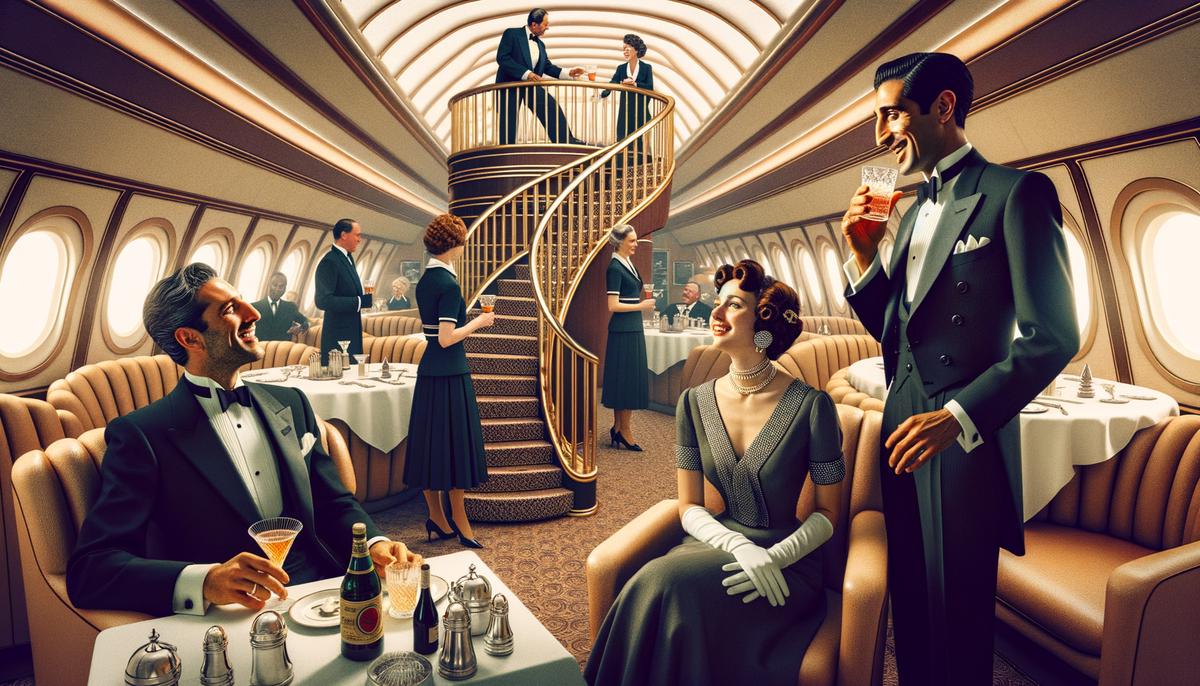
First-class air travel in the 1950s was like stepping into a classic Hollywood movie. Spacious seats, gourmet meals on fine china, and even spiral staircases to cocktail lounges made flying a glamorous experience.
Today, first-class has evolved into a private sanctuary in the sky. Modern planes feature enclosed suites with floor-to-ceiling walls, lie-flat seats, and huge entertainment screens. Some airlines offer in-flight showers and personalized butler service.
While the setting has changed, the goal of providing an elite experience remains. Instead of mingling in open lounges, passengers now enjoy handcrafted cocktails in their private suites. Safety and reliability have also improved significantly since the 1950s.
First-class today blends past glamour with future tech, offering a journey that's as much about comfort as style. The luxurious spirit of travel lives on, just dressed differently.
Safety and Technology Advancements
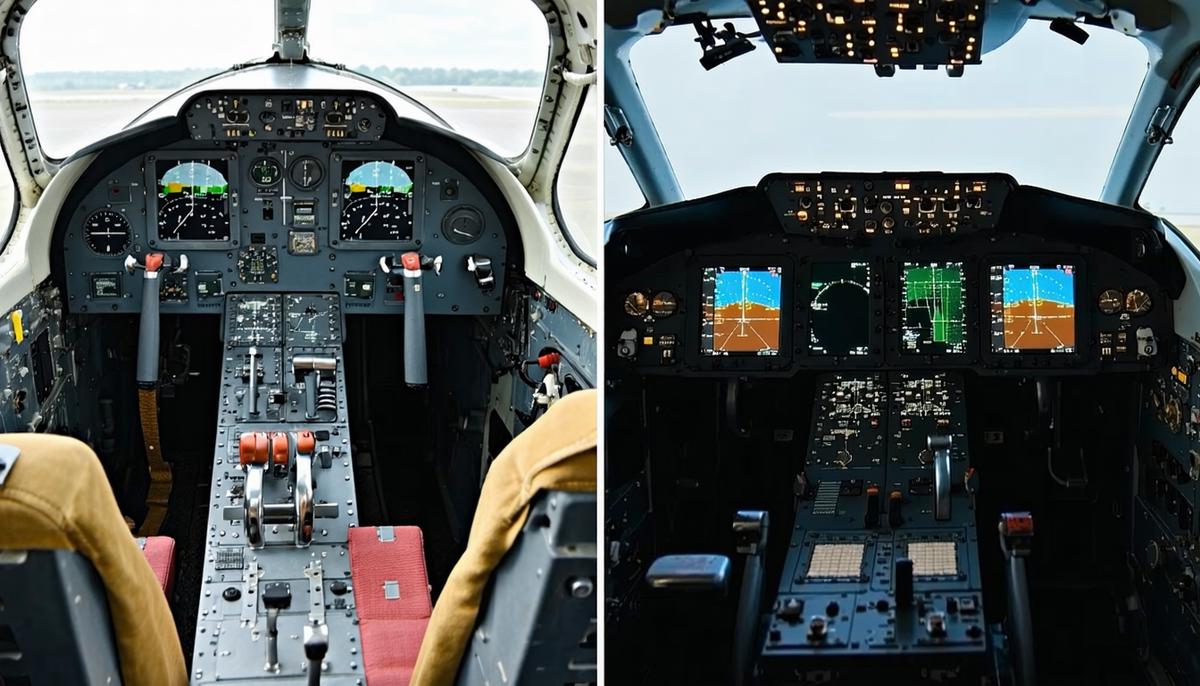
Today's aircraft are technological marvels that build on the ambitions of the 1950s era. Back then, the introduction of jetliners like the De Havilland Comet 1 was exciting but came with challenges, including fatal crashes.
We've come a long way since those early struggles. Modern aircraft now have an impressive safety record, with fatal accident rates dropping from 4.2 per million flights in the late 1970s to just 0.3 per million in 2023.
This progress isn't just about improved design and materials. It's also due to sophisticated avionics and rigorous safety protocols developed over decades. Today's planes have:
- Advanced navigation systems
- Real-time monitoring
- Efficient engines that the pioneers of the jet age couldn't have imagined
Modern jets are also designed to handle a broader range of weather conditions and turbulence, making flights more reliable than ever before. As you buckle up on your next flight, take a moment to appreciate how far we've come in aviation safety and technology.
Changes in Public Perception and Accessibility
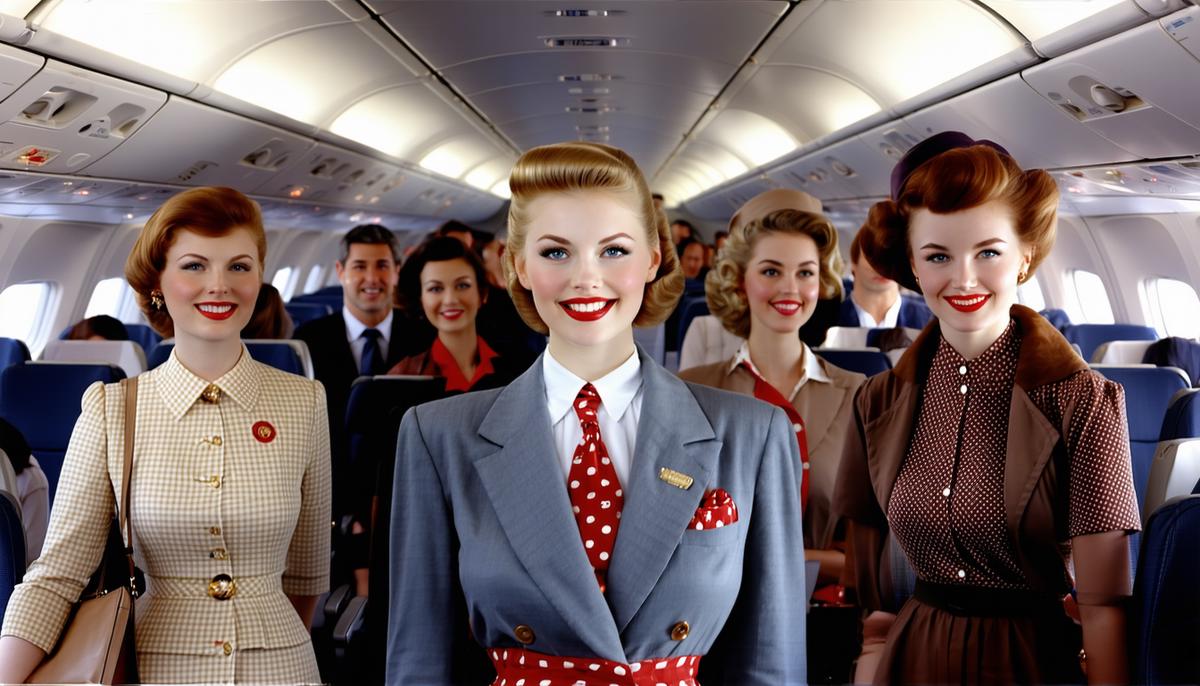
In the 1950s, air travel was a symbol of status reserved for those who could afford luxury. Taking a flight was as exciting as attending a grand event, with passengers dressing up for the occasion.
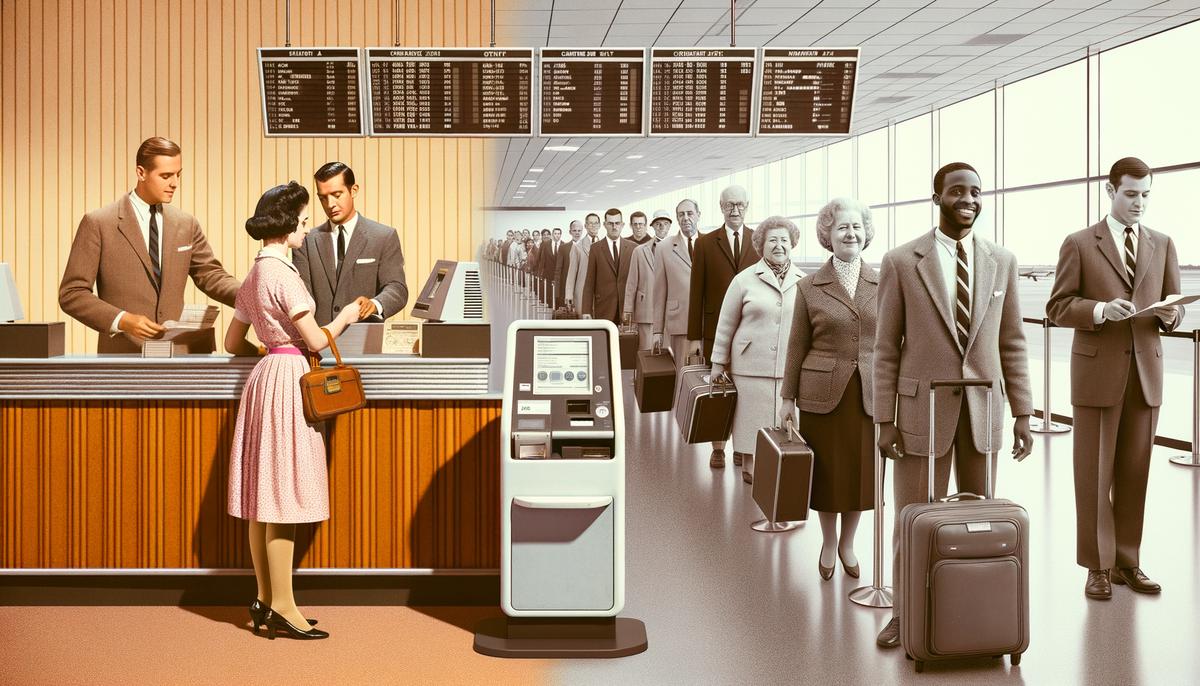
Times have changed, and flying has become more accessible to people from all walks of life. Budget airlines and competitive pricing have made air travel a routine part of modern life. It's no longer about the glitz and glamour, but about convenience and efficiency.
This shift has broadened our horizons, allowing more people to experience different cultures and distant places. Airports now bustle with a diverse mix of travelers, from businesspeople to families on vacation.
While air travel may have lost some of its novelty, it has gained a new kind of magic – the ability to connect people and places like never before. As you pack your bags for your next trip, remember that you're part of a new chapter in aviation where the skies are open to all.
Economic Factors and Pricing Dynamics
In the 1950s, buying a plane ticket was like purchasing a luxury item. Flying was an expensive splurge, with costs reflecting the elite nature of the service and limited availability of flights.
Today, the air travel market offers a wide range of pricing options. While luxurious first-class suites still command high prices, budget airlines have made flying accessible to many more people. This shift is due to factors like improved technology, increased competition, and globalization.
"Modern ticket prices fluctuate based on various factors, including fuel costs, regulatory changes, and global events. Airlines constantly adjust their offerings to balance passenger satisfaction with profitability."
We've moved from a one-size-fits-all luxury model to a more diverse range of options. Whether you choose a budget fare or a premium suite, each flight reflects the changing economics of air travel. While we may have lost some of the old-world glamour, we've gained the ability to explore the world more easily than ever before.
As we look back on how air travel has changed, it's clear that while the glamour of the past has faded, the spirit of adventure continues. Flying has become a part of everyday life, opening up new possibilities for people around the world.
- Flight Safety Foundation. Aviation Safety Network Database. 2023.
- International Air Transport Association. Annual Review. 2023.