
Shea Stadium: A Tribute to New York's Baseball Revival
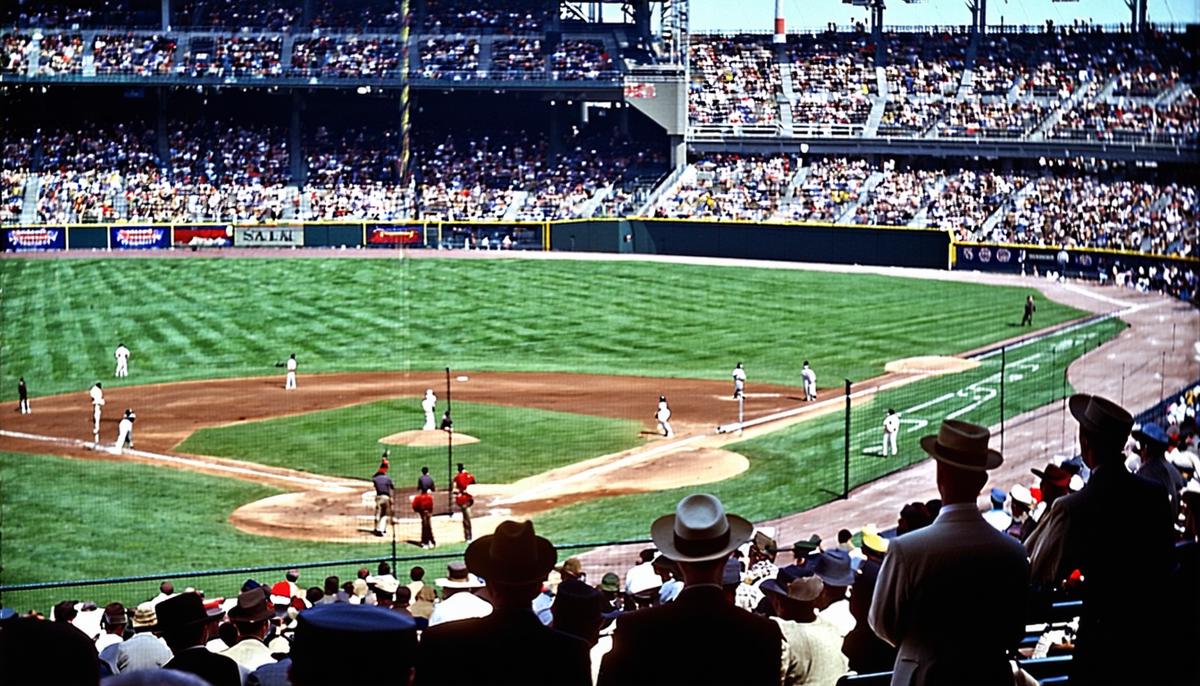
In the 1950s, Shea Stadium in Queens received its name from William A. Shea, a pivotal figure in bringing National League baseball back to New York after the city lost the Dodgers and Giants in 1957. Shea's efforts culminated in the National League's expansion team in 1962, giving birth to the beloved New York Mets.
Naming the stadium after him was a fitting tribute to the man who rekindled the baseball spirit in the Big Apple. The 1950s marked a time of change in American sports, with baseball reigning as the favorite pastime. The christening of Shea Stadium wasn't just about a new venue; it symbolized a second chance for New York baseball in Flushing Meadows.
"It was like New York baseball got a second chance in Flushing Meadows."
This era saw baseball enthusiasts eagerly anticipating the return of National League action to their city, with Shea Stadium becoming the beacon of that renewed hope and excitement.
Japan and Burma: Renewing Diplomatic Ties
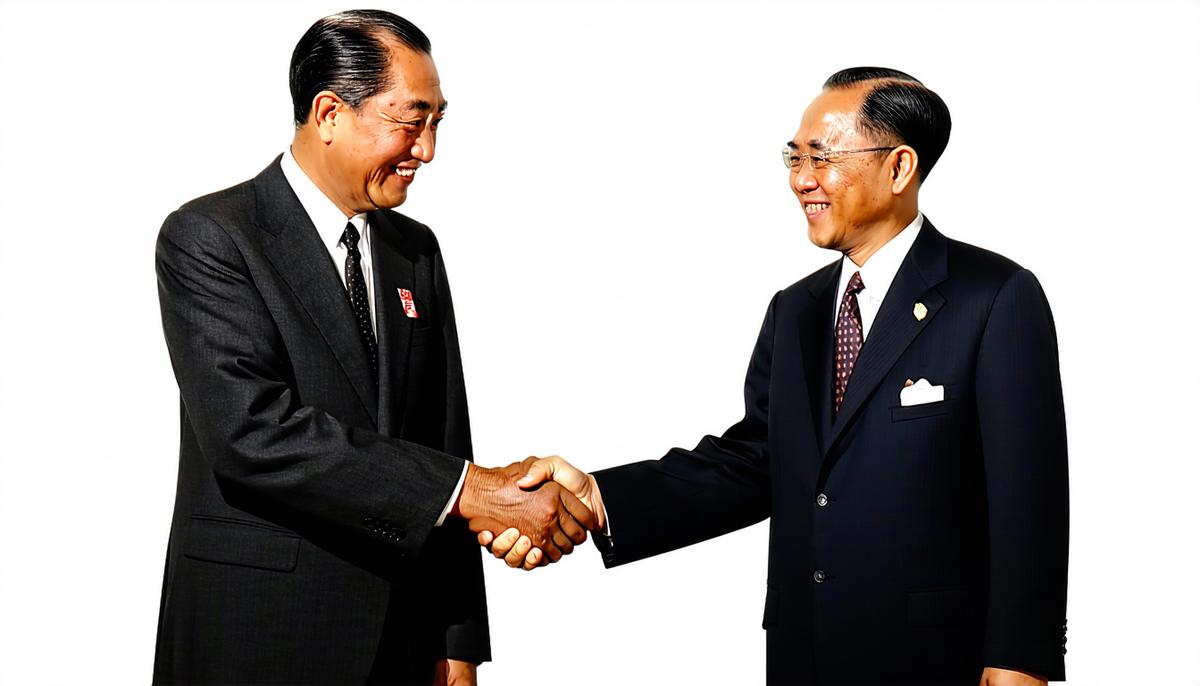
On December 27, 1954, Japan and Burma (now Myanmar) renewed diplomatic ties, marking a significant step in Japan's post-World War II efforts to rebuild relationships in Asia. This renewal demonstrated Japan's commitment to fostering peace and cooperation across the region.
The new relationship with Burma was like the first notes in a song of goodwill.
For Japan, this wasn't merely about formal agreements but about creating an atmosphere of friendship where every nation could progress together. Burma, having gained independence from Britain in 1948, saw this as an opportunity to form bonds that supported its newfound sovereignty.
Key figures in the diplomatic renewal:
- Takasaki Tatsunosuke, Japanese Minister of State
- Burmese diplomats (names not provided in the reference material)
This diplomatic renewal set the stage for a more connected Asia in the 1950s – a decade that valued unity and diplomacy, paving the way for future collaborations and partnerships.
British Troop Withdrawal from Egypt: End of an Era
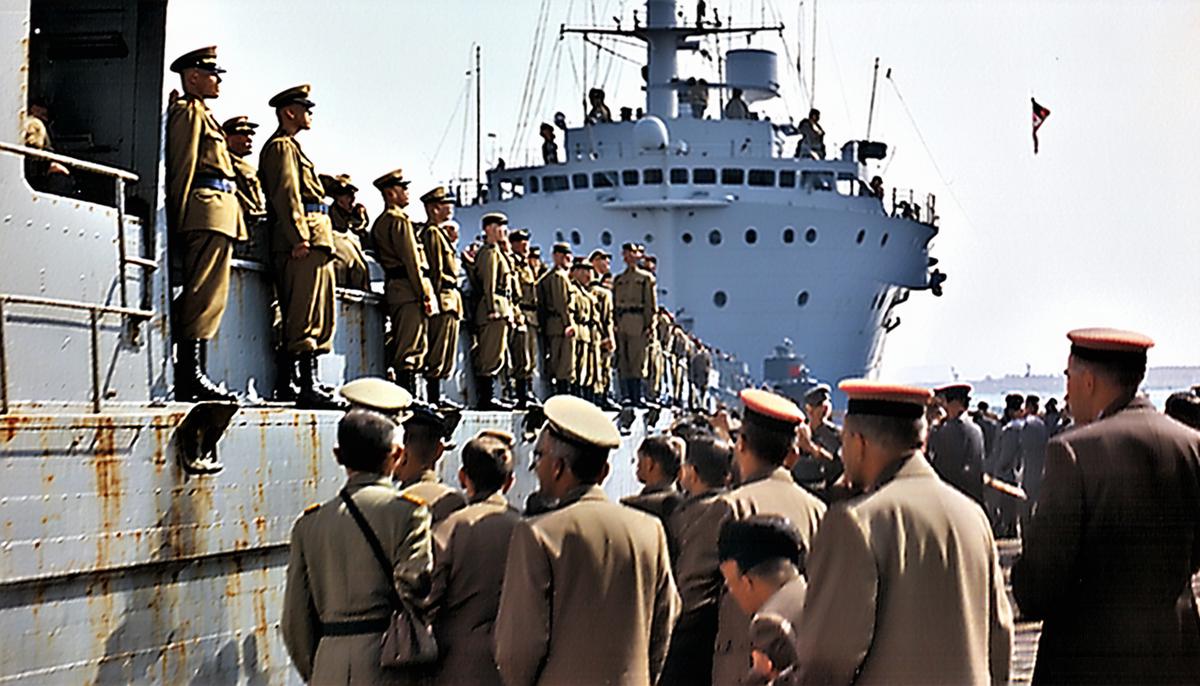
On December 27, 1956, the British government made a momentous announcement: its troops would leave Egypt. This decision came in the wake of the Suez Crisis, a major international incident involving Britain, France, Israel, and Egypt.
Implications of the withdrawal:
- Signaled a significant shift in British foreign policy
- Marked the end of Britain's dominant role in the Middle East
- Allowed Egypt to regain control over the Suez Canal
- Elevated Egyptian President Nasser's influence in regional politics
For the United Kingdom, this withdrawal prompted a reevaluation of its global position. It signified the twilight of the empire and the dawn of a more cooperative approach to international affairs.
"This event helped shape the transformative decade of the 1950s – a time of change that left its mark on history, much like the chrome-plated appliances of the era."
The British troop withdrawal from Egypt, along with other pivotal events of the 1950s, contributed to the reshaping of global politics and the emergence of new power dynamics in the post-colonial world.
- Nicoll J. 1950s Park Forest House Museum. Park Forest Historical Society. 2024.
- United States Department of State. Office of the Historian. Milestones in the History of U.S. Foreign Relations. 1950-1955.
- Kyle K. Suez: Britain's End of Empire in the Middle East. I.B. Tauris. 2011.