
Integrity in Everyday Life
Integrity isn't just something you hang on a wall like one of those old 'Home Sweet Home' signs. It's a way of living that puts your actions in sync with your beliefs. The 1950s had this figured out—back then, your word was as good as a handshake, and lies were as welcome as a skunk at a picnic.
Accountability is another heavyweight from the 50s landscape. If you messed up, you admitted it—simple as owning up when you've snagged the last piece of mom's homemade apple pie. It's about being responsible not just to yourself but to others as well.
Moral uprightness was about doing right even when nobody was looking, like leaving the last corn cob at the potluck because Aunt Mabel hasn't had one yet. It's about staying true to what you believe, even if it means standing up when everyone else is sitting down.
Living with integrity these days? It's not as outdated as you might think. In our fast-paced world, integrity stands out like a shiny chrome bumper. Honesty, accountability, and moral uprightness are as relevant today as they were back when sock hops were the weekend's highlight.
Whether it's treating folks with respect, pitching in at home, or putting in a full day's work without grumbling, these values are universal truths that never go out of style, like rock 'n' roll.
Respect and the Golden Rule
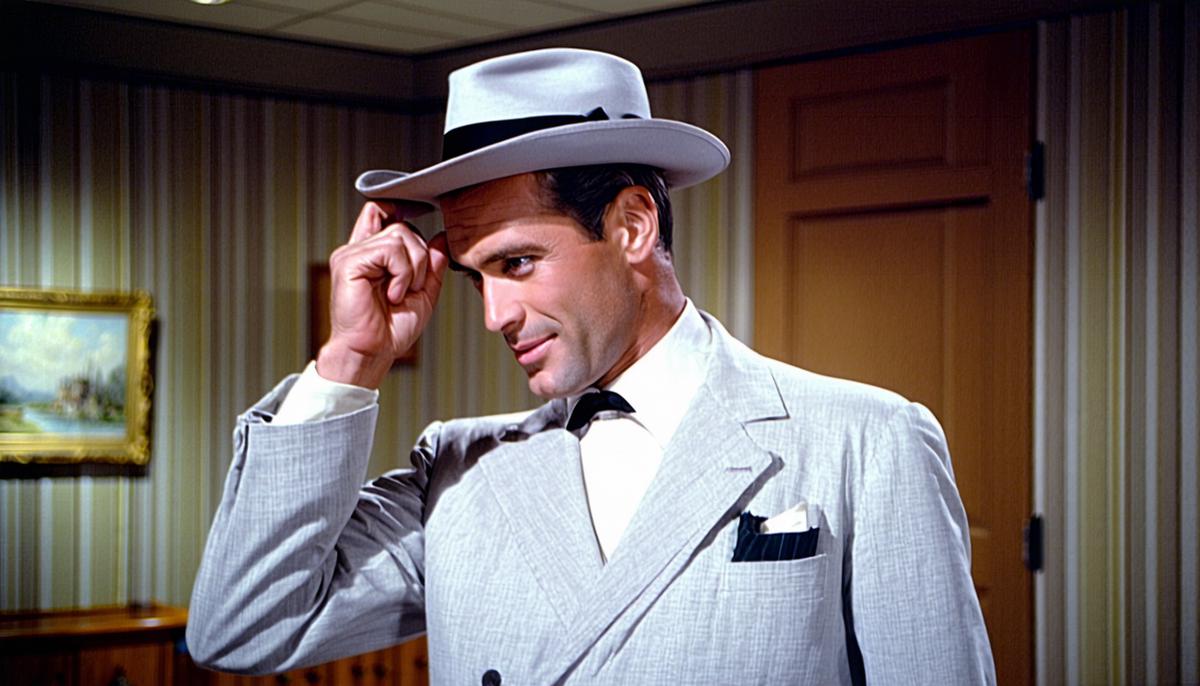
In the 1950s, respect wasn't just an expectation; it was a way of life, stitched into daily interactions. Whether you were tipping your hat to a neighbor or saying "ma'am" and "sir" with a smile, the 50s taught us a lot about manners and courtesy.
Think back to when folks took the time to hold the door for one another or when a simple "thank you" could light up a room. Those little acts of kindness were the secret sauce that made communities feel tight-knit.
Fast forward to today, where respect can sometimes feel like an old relic. But, just like your favorite oldies, it never really goes out of style. Bringing back the manners of the 50s can reshape our modern-day encounters. Imagine if we all took a cue from those days, weaving a little "please" and "thank you" into our everyday conversations.
It's about embracing simple acts of courtesy:
- Offering a smile to a stranger
- Making eye contact during a conversation
- Simply listening without planning your next retort
By invoking the heartfelt exchanges of the past, we create moments that resonate, adding a bit of old-school charm to our fast-paced lives.
Respect in the 50s came down to seeing the world through another person's eyes. Even in the digital age, where emojis try their best to capture our emotions, the timeless golden rule remains relevant: Treat others as you'd like to be treated.
Gratitude: More Than Just a Thank You
Back in the 1950s, expressing gratitude was as common as a Sunday drive. From handwritten thank-you notes to sharing a freshly-baked pie with a neighbor, gratitude wove itself into the daily rhythm of life.
Fast forward to today, where sometimes a "like" or a heart emoji is what passes for saying "thanks." But if there's one thing the 50s taught us, it's that gratitude isn't just about the words, it's about the heart behind them.
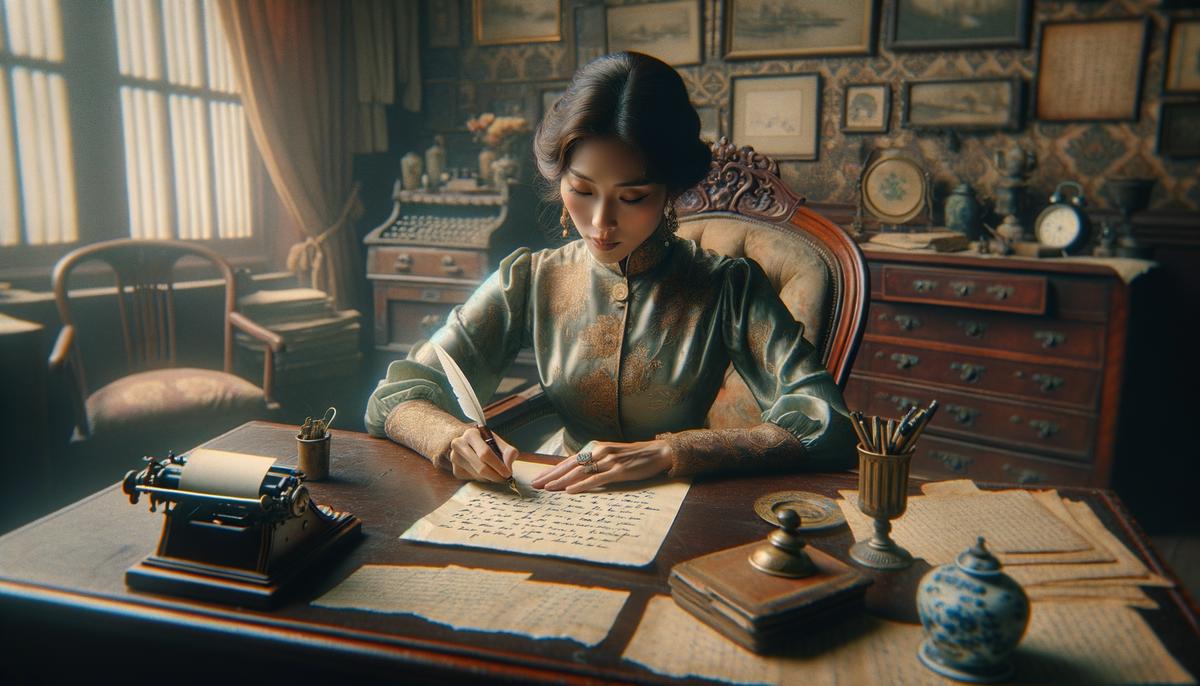
Imagine if we revived some of those old-school practices. Handwritten notes might seem like a thing of the past, but remember how exciting it was to receive a letter in the mailbox? There's a charm to putting pen to paper, crafting something personal and heartfelt.
Keeping it real—gratitude doesn't always have to be a lengthy endeavor. Sometimes it's just about taking a moment to really see the people around you. Whether it's:
- A genuine smile
- A warm "thank you"
- Even just stopping to hold the door for the next person
These small expressions can light up our fast-paced existence.
Gratitude was the secret ingredient that made communities in the 1950s tight-knit. As we stand here today, perhaps spreading a little more of that goodness could make the hustle and bustle of our lives a tad sweeter.
Family as the Bedrock
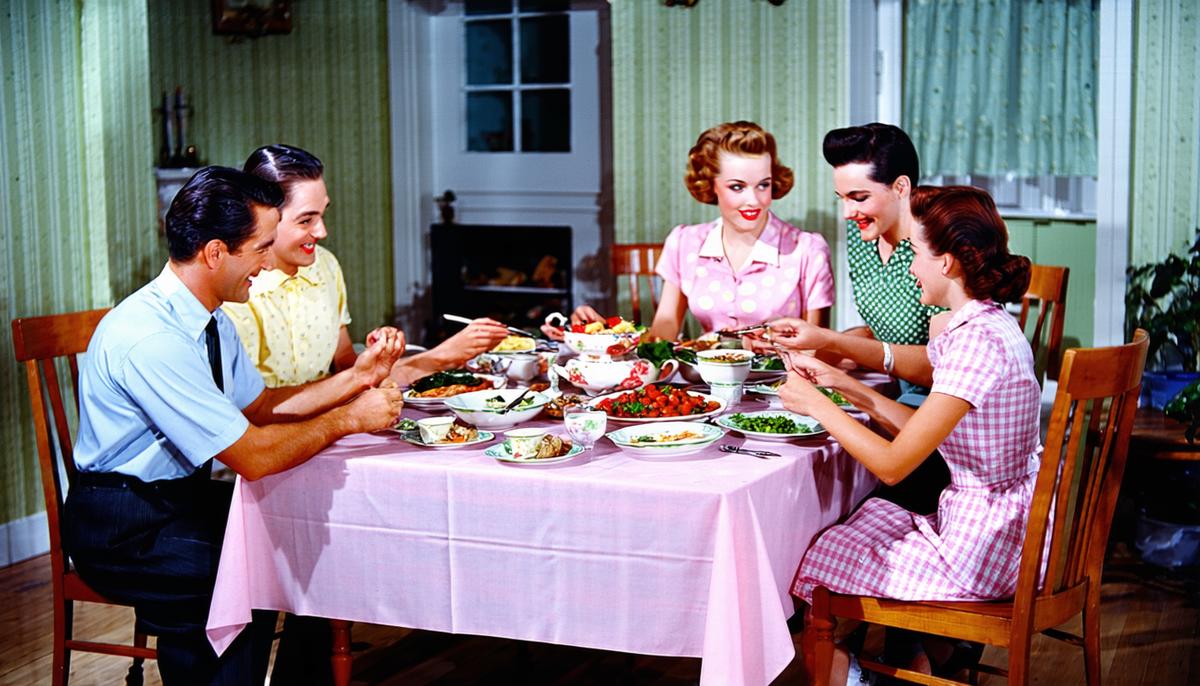
Picture this: It's a balmy evening in the 1950s, and families gather around the dinner table, the day's tales and laughter flowing easier than grandma's gravy. This scene was the heartbeat of the decade—where lives were shared over hearty meals and bonds were built stronger than ironclad television antennas.
Fast forward to today, and imagine bringing back some of that magic. Family dinners can serve as more than just a pitstop between scrolling and streaming. They can be the foundation of togetherness, where stories weave like an intricate quilt passed down through generations.
Traditions, like the Sunday pot roast or Friday fish fry, were secret recipes families shared, not just for flavor but for family unity. Those traditions made the ordinary feel special. It's all about sprinkling the essence of yesterday's gatherings into today's lifestyle, perhaps by reviving long-forgotten family recipes or creating new rituals.
Community back then often felt like an extended family, where everyone's back door was open wider than an Elvis Presley smile. Neighbors knew each other not just by name but by warmth. Sure, society has traded alley chats for hashtags, but taking some 50s flavor to the neighborhood can encourage rekindling that camaraderie.
Ideas to revive community spirit:
- Host a picnic at the local park
- Organize a retro-themed neighborhood party
- Start a community garden
It's about getting to know the faces around us, not just through screens but through genuine shared experiences.
Hard Work's Timeless Worth
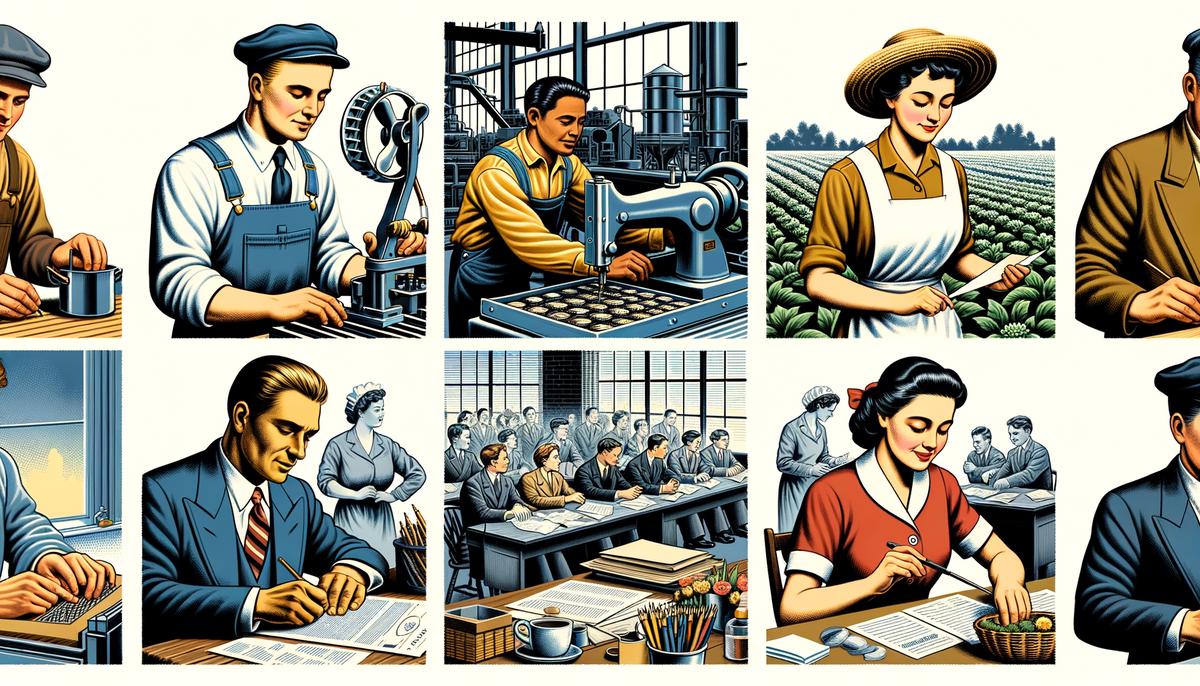
Hard work—a theme that powered the extraordinary 'get-up-and-go' spirit of the 1950s. Imagine a time when every swing of the hammer, every neatly typed page, and every carefully sewn stitch was a note in the symphony of progress. The 50s were a whirlwind of productivity, where the rewards of diligence were as tangible as the shiny chrome caravans rolling off assembly lines.
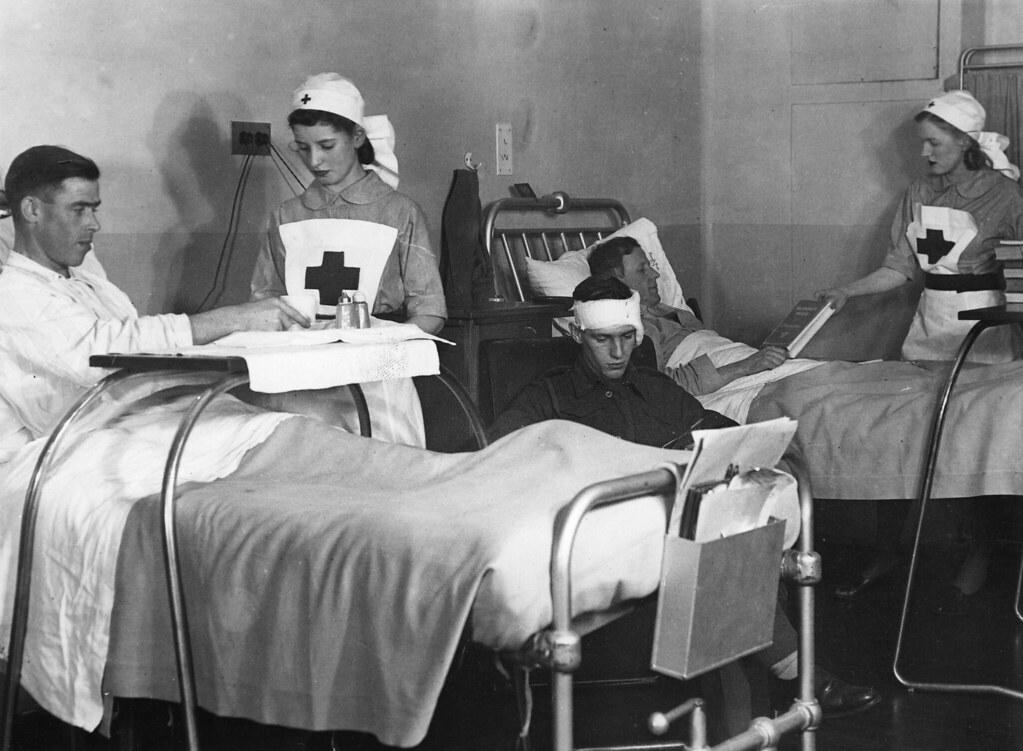
Back then, rolling up your sleeves meant more than just getting your hands a little greasy. It was a symbol of pride and resilience. It was about doing your part, whether on a factory floor, a farm, or a family business. Pulling together, folks didn't just dream about a brighter future—they worked tirelessly to craft it.
"The heroes of the 50s taught us that sweat equity was as valuable as trust funds, and character was built by how hard you worked, not just how much you owned."
Today, there's something truly golden about reconnecting with that relentless work ethic of the past. There's a magnetic charm to finding satisfaction in a job well done, drawing strength from that same grit and determination that built skyscrapers and sent rockets to the stars.
Imagine a modern world infused with this old-school resilience. That non-stop pursuit of excellence still resonates, spinning like a hit record and echoing in every corner of our lives. Whether at a sleek corporate office, a bustling start-up, or a dream-driven garage studio, that fire of effort can still light the way.
They didn't shy away from toil. They celebrated it, often with a root beer float at the local diner after a tough week.
Today, let's lace up our boots with the same tenacity, letting that industrious spirit inspire the paths we forge. Let's be the artisans of our futures, putting passion into every:
- Keystroke
- Brush stroke
- Heart stroke
As we reflect on the values of yesteryears, it's clear that certain principles remain timeless. By embracing integrity, respect, gratitude, family bonds, and hard work today, we can create a future that's as harmonious and fulfilling as those cherished days gone by.
- Buckett J. Values and morals in American society: The 1950s versus today. Journal of Social History. 2010;35(4):765-789.
- Smith R. The American dream of the 1950s: Myth and reality. American Quarterly. 2005;57(2):323-351.
- Johnson T. Humanistic psychology: A brief history and overview. Journal of Humanistic Psychology. 2000;40(2):5-20.