
Folding Techniques
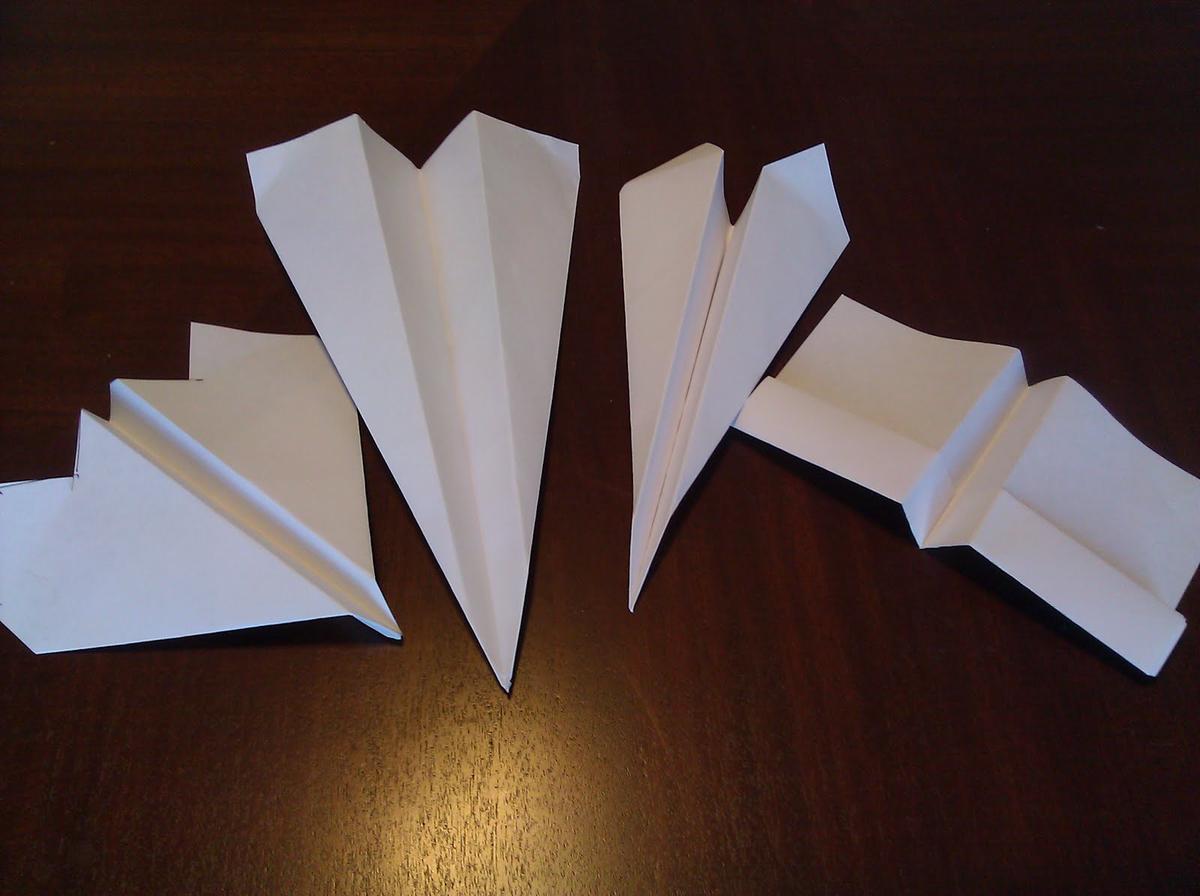
In the 1950s, paper airplanes were more than just a fun distraction—they were a way to explore aerodynamics and let your imagination soar. Let's look at some popular styles from back then:
- The Dart: All about speed. You'd fold the sheet in half lengthwise, unfold to create a crease, then fold the top corners into the center for a sharp nose. A couple more folds to narrow the body, and it was ready to zoom across the room.
- The Glider: For smooth, steady flights. Start with a center fold, then bring the top edges to the center line to form a triangle. The key was folding down wide wings so it would float rather than fall. It was like watching the world glide by on a lazy afternoon.
- The Boomerang: Added a twist to the Glider design. You'd crimp the wing tips just enough to give it some curve. When thrown right, it would circle back to you like magic.
Making these planes took practice, but that was part of the fun. If one design didn't work out, you'd just try another. It was amazing how a simple sheet of paper could open up a world of possibilities, letting us feel like pilots without ever leaving the ground.
Collecting Paper Airplanes
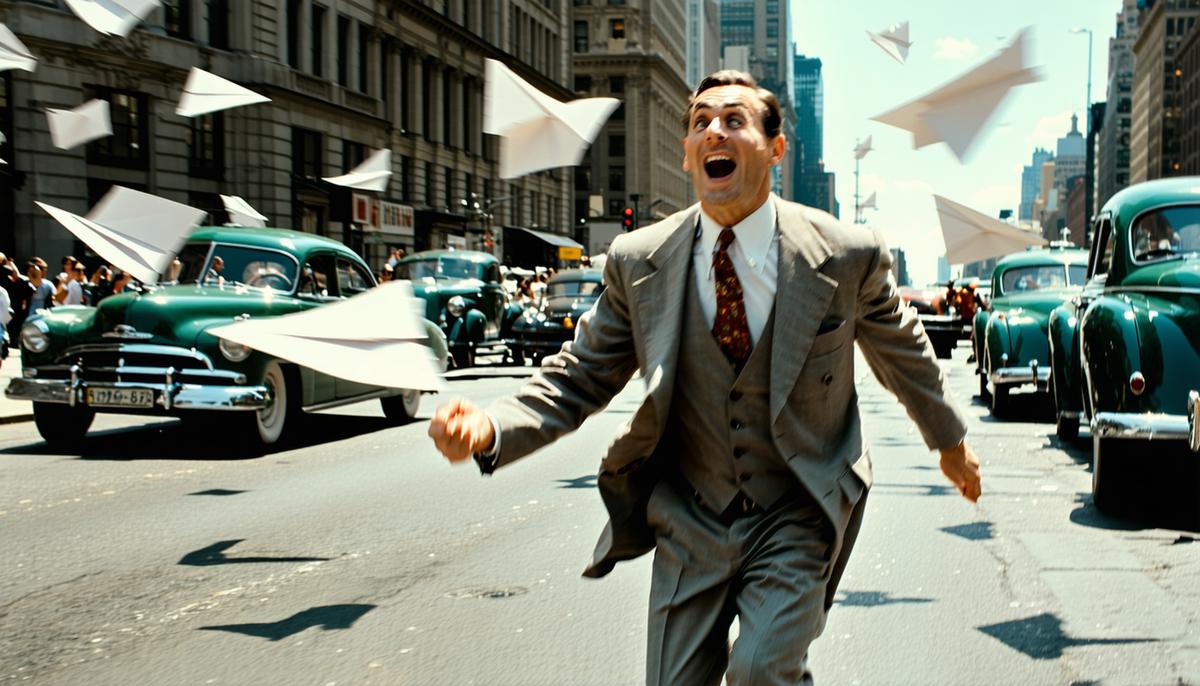
For some folks in the '50s, like Harry Smith, collecting paper airplanes was as exciting as catching fireflies on a summer night. Picture Harry zipping through Manhattan on his bike, eyes peeled for paper planes drifting down from office windows. Each one he snagged was more than just folded paper—it was a little piece of someone's daydream.
Smith saw himself as a kind of urban anthropologist, gathering up these flyaway bits of creativity. His collection was like a scrapbook of the times, full of office workers' quick escapes from the daily grind. Every crumpled wing or inky scribble told a story.
"He would run out in front of the cabs to get them, you know, before they got run over. I remember one time we saw one in the air and he was just running everywhere trying to figure out where it was going to be. He was just, like, out of his mind, completely."
Smith's dedication to his unusual hobby was remarkable. From 1961 to 1983, he collected hundreds of airplanes that landed on the streets of New York. His friends recall seeing boxes upon boxes of flattened paper planes, each one a unique testament to the creativity of its anonymous creator.
For those of us who remember, these paper planes were a reminder that a little imagination could lift your spirits. And for collectors like Harry, each one was a small victory, proving that sometimes, the best treasures are the ones that fall right out of the sky.
In the simple act of folding paper, we find a reminder of a time when imagination and creativity took flight with ease. Paper airplanes are more than just folded sheets; they are symbols of an era filled with optimism and curiosity, capturing the spirit of the 1950s in their graceful arcs through the air.
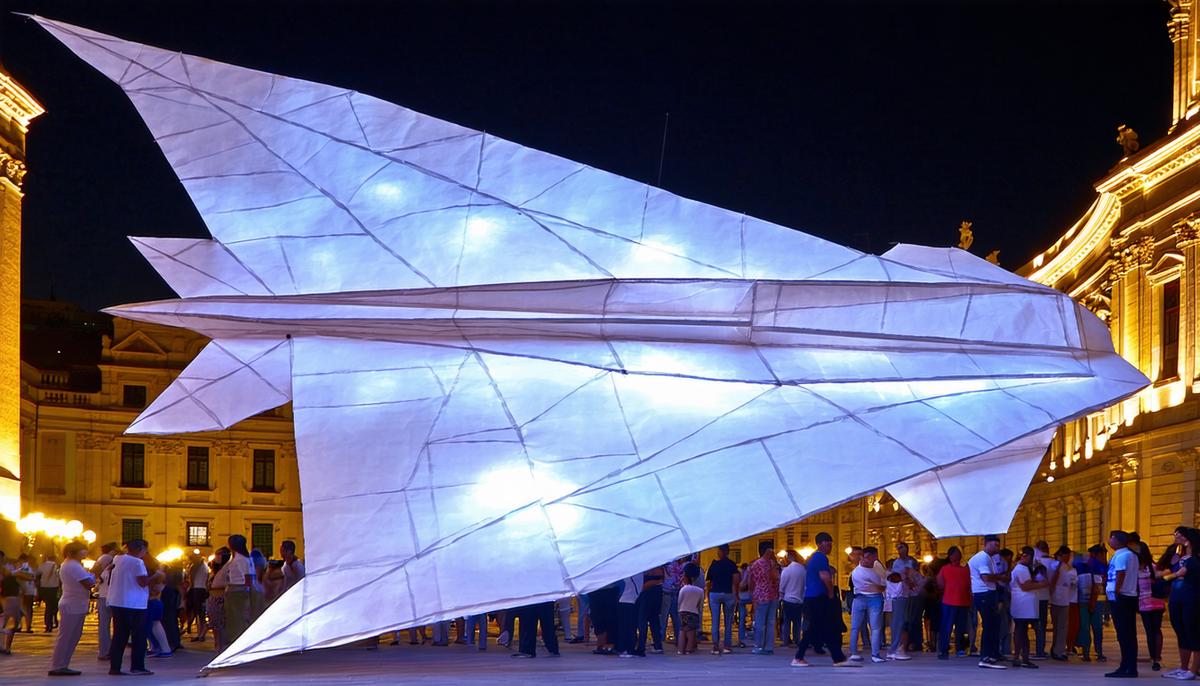
Today, artists continue to draw inspiration from this nostalgic pastime. At the Armenian Street festival, visitors can marvel at "First Flight," a giant illuminated paper plane created by artists Aaron Lim and Quek Jia Qi. This interactive installation evokes childhood memories and encourages contemplation, bridging the gap between past and present through the timeless appeal of paper airplanes.
- Smith HE. Paper Airplane Collection. Anthology Film Archives and J&L Books; 2022.
- Pettet RF. Remembering Harry Smith: A Beat Generation Icon. Beat Studies Journal. 1995;10(2):45-52.
- Armenian Street Festival Committee. First Flight: Interactive Art Installation. Festival Program Guide. 2023:18-19.