
The Rise and Influence of Sears Catalogs
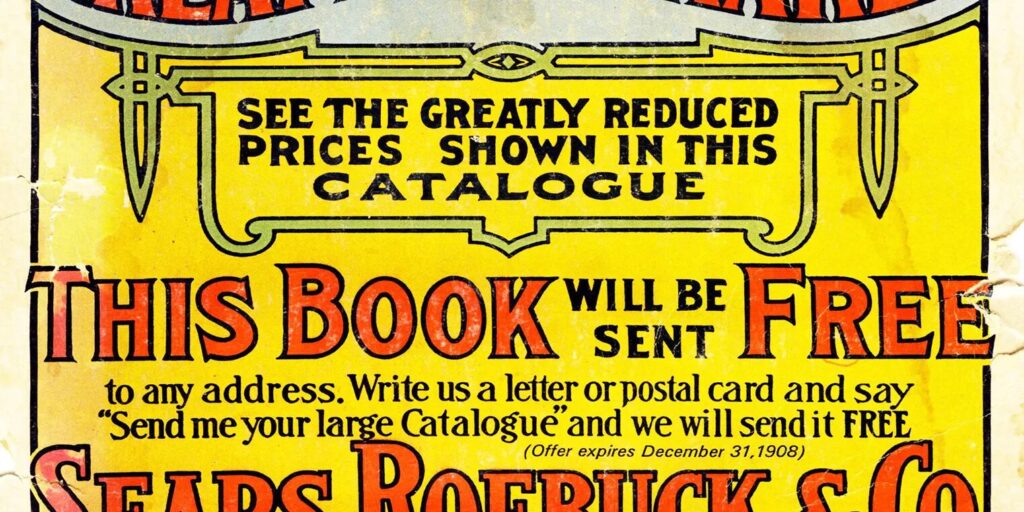
Sears catalogs were a big deal back in the day. Starting in 1888, these thick books let folks buy just about anything without leaving home. From fancy dresses to entire houses, Sears had it all.
The catalogs were a hit in both rural and city homes. As the U.S. grew more connected with rural mail delivery in 1896, Sears’ reach expanded. During tough times like the Great Depression, these catalogs were a lifeline for affordable goods.

Kids loved circling toys in the “Wish Book” at Christmas, while adults browsed everything from socks to refrigerators. Sears didn’t just sell stuff—they sold a version of America full of possibilities.
Even as shopping malls popped up, Sears adapted. But when online shopping came along, the catalog couldn’t keep up. It said goodbye in 1993, leaving behind fond memories of how it made shopping personal and exciting.
Sears’ Innovations and Challenges
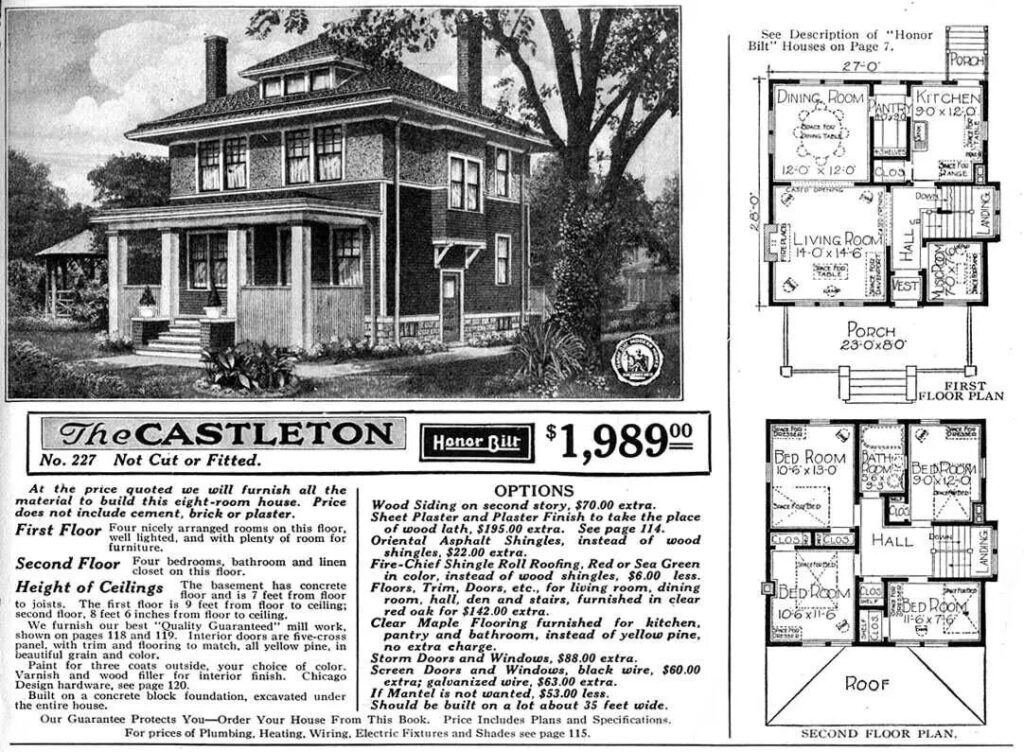
Sears was quite the innovator! They sold entire houses in kits, ready to be assembled. These “Honor Bilt” homes helped make homeownership more accessible, spreading the suburban dream.
But Sears didn’t stop at houses. They offered all sorts of wild ideas, including:
- Electric belts promising to boost energy
- Mail-order monkeys
- Heroin (in the late 19th century)
It was a time when creativity and commerce danced together in the pages of their catalog.
As time went on, Sears faced some tough competition. New stores like Walmart, Kmart, and Target changed the game. The rise of e-commerce posed an even bigger challenge, one that Sears struggled to meet.
In the end, Sears couldn’t keep up with the speedy world of online shopping. It’s a bit sad, really. Those catalogs were more than just a way to buy stuff—they were a piece of Americana, full of dreams and possibilities.
Reflection on Consumer Habits: Then and Now
Shopping sure has changed since the days of the Sears catalog. Back then, families would gather ’round to flip through those pages together. It was an event, a chance to dream and plan.
These days, we’re all about quick clicks and instant buys. We’ve traded the slow pleasure of browsing a catalog for the convenience of online shopping. It’s faster, sure, but maybe we’ve lost a bit of the magic along the way.
The Sears catalog wasn’t just about buying stuff—it was about aspiration. Those glossy pages showed a world of possibilities to a generation hungry for growth. Now, we’re more focused on speed and personalization.
Our shopping habits say a lot about how society has changed. We’ve gone from shared family experiences to individual pursuits. It’s efficient, but perhaps a little less social.
Who knows? Maybe someday we’ll find ourselves missing the slower pace of catalog shopping. There’s something special about holding those dreams in your hands, isn’t there?
As we reflect on the legacy of Sears catalogs, it’s clear they offered more than just products; they were a gateway to dreams and aspirations. While times have changed, the warmth and wonder of those pages remain a cherished memory, reminding us that sometimes the journey is as meaningful as the destination.
- Levinson Wilk D. The Sears Catalog: A Master Class in Merchandising. FIT Newsroom. 2022.
- Grier K. Pets in America: A History. University of North Carolina Press; 2006.
- The New York Times. Sears to Offer Animals in New Catalog. 1955.