
The Birth of LEGO Bricks
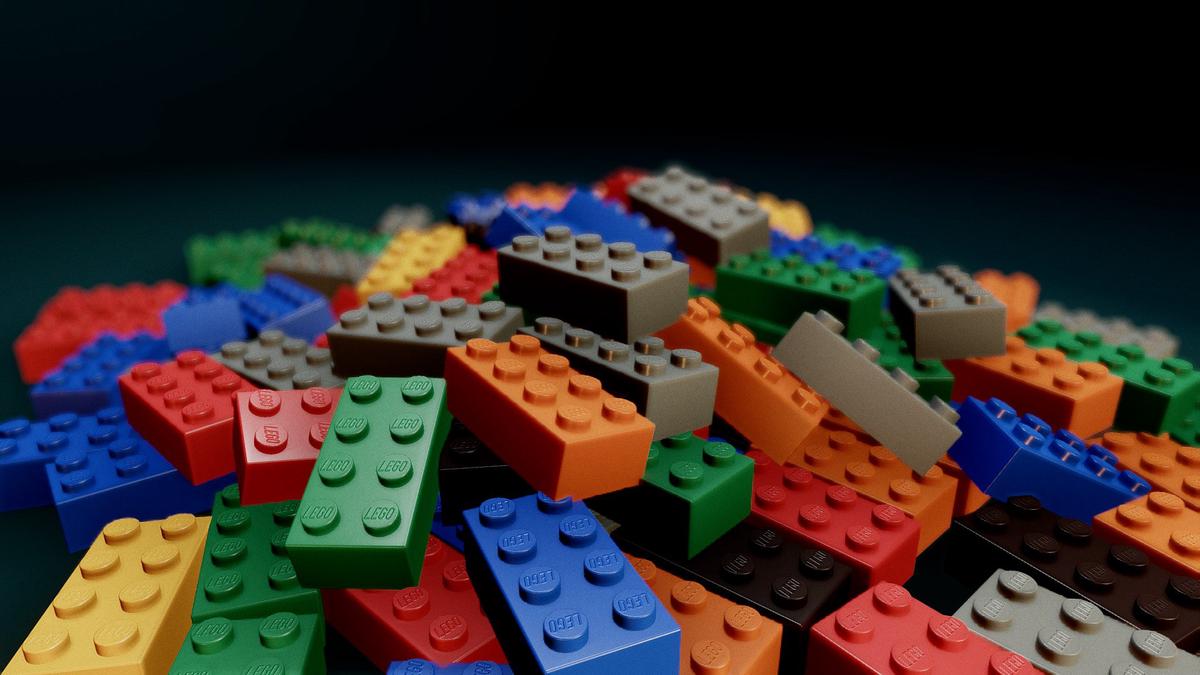
The 1950s brought us LEGO bricks—colorful plastic squares that changed playtime forever. Hitting shelves in their modern form during the late '50s, these building blocks let kids turn tables into bustling cities and imaginary lands in no time.
Parents and kids alike loved them. Hours were spent piecing together structures and dreaming up adventures. It wasn't just fun; it was a brain workout too! Trying to build a Ferris wheel or skyscraper had kids problem-solving like little geniuses.
LEGO bricks showed that toys could be more than just time-killers; they could spark imagination. They laid the groundwork for generations, brick by brick. And like a favorite oldies tune, these blocks continue to inspire new stories in living rooms worldwide.
LEGO's Impact on Creativity and Learning
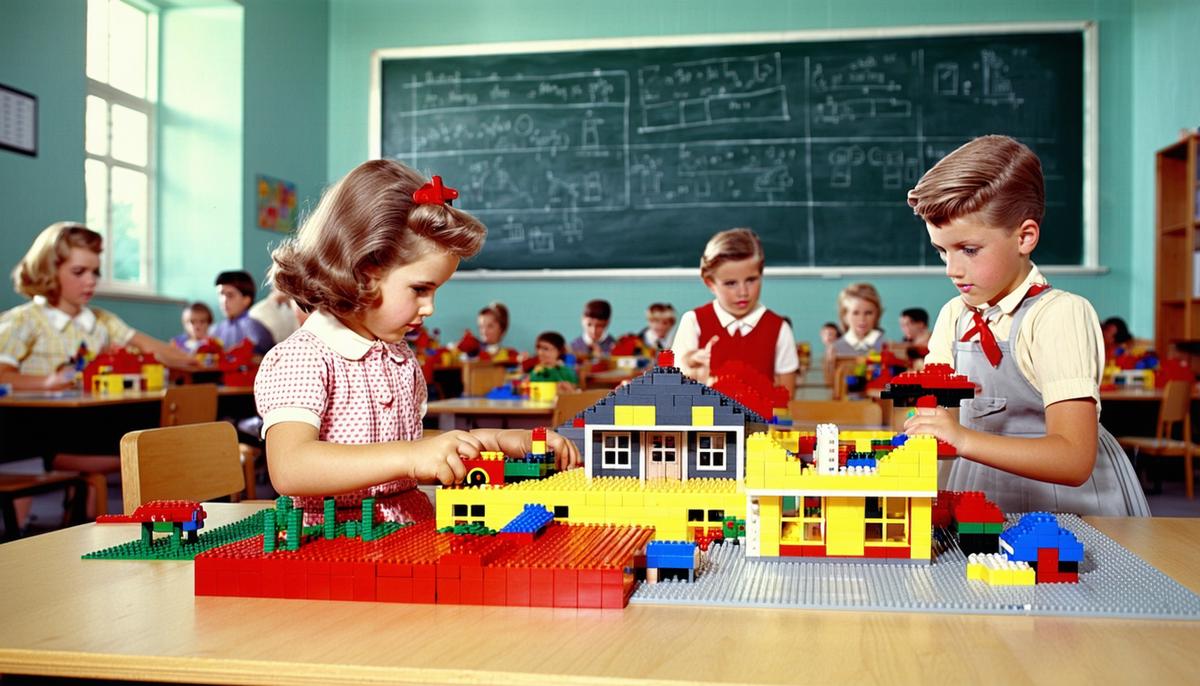
LEGO quickly became a cornerstone in developing young minds. These weren't just toys; they were stepping stones into the world of creativity and learning. Kids weren't only building wobbly towers—they were learning about balance, symmetry, and basic physics.
Today, you'll find LEGO sets in classrooms around the globe. Teachers use them to:
- Explain math concepts
- Teach teamwork
- Inspire storytelling
Each set challenges kids to problem-solve and think logically, all while having a blast!
LEGO bricks turn learning into an exciting adventure. They're the secret sauce to unlocking creativity and encouraging a love of learning that lasts long after the school bell rings.
LEGO's Evolution Over the Decades
LEGO has changed with the times while keeping its core values intact. Here's a brief timeline:
- 1950s: Basic blocks for building city scenes or castles
- 1970s: Introduction of minifigures to populate plastic worlds
- 1980s: Vibrant themes from space expeditions to medieval quests
- 1990s and beyond: Intricate sets and crossovers with popular franchises
Educational kits and robotics joined the lineup, preparing curious minds for a tech-savvy world.
Throughout these changes, LEGO's commitment to creativity, imagination, and learning through play remained strong. Whether you're building a spaceship or inventing a new gadget, LEGO continues to be a world where anyone can be a creator, one colorful brick at a time.
LEGO's Cultural and Generational Appeal
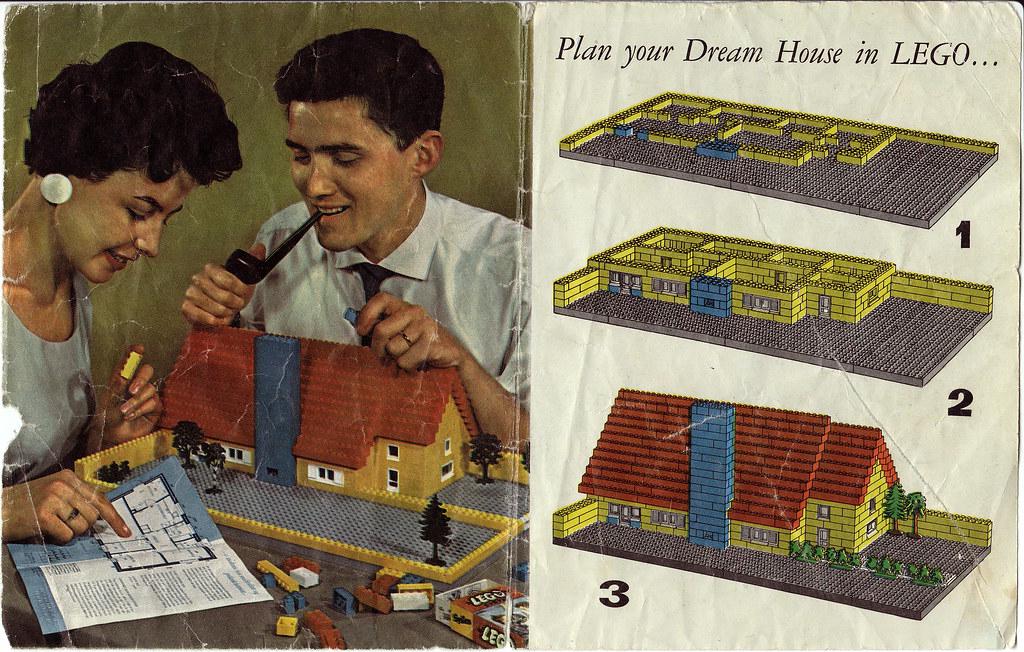
LEGO has become more than just a toy; it's a cultural icon that bridges generations. Family gatherings often feature build-offs where kids challenge adults, sharing stories and techniques across age groups. For those who grew up with LEGO, these bricks are like a time machine to simpler playtimes.
"LEGO remains a reminder that creativity knows no bounds, inviting builders of all ages to keep stacking those blocks and letting their imaginations soar."
LEGO sets have also become prized collectibles. Original pirate ships and Wild West towns fetch high prices on the market. The bricks have made their mark in pop culture too, teaming up with movie franchises and becoming stars in their own right.
Whether you're a long-time LEGO fan or new to the world of plastic bricks, you're part of something special—a shared cultural love that sparks joy across generations.

LEGO bricks have been a steadfast companion in the journey of creativity and imagination, bridging generations with their simple yet powerful allure. As we continue to stack those colorful blocks, we're reminded that the joy of creation is timeless, a shared adventure that brings out the builder in all of us.
- Lauwaert M. The place of play: Toys and digital cultures. Amsterdam University Press; 2009.
- Lipkowitz D. The LEGO book. DK Publishing; 2012.
- Wiencek H. The world of LEGO toys. Harry N. Abrams; 1987.