
A Salary Breakthrough in the Midst of War
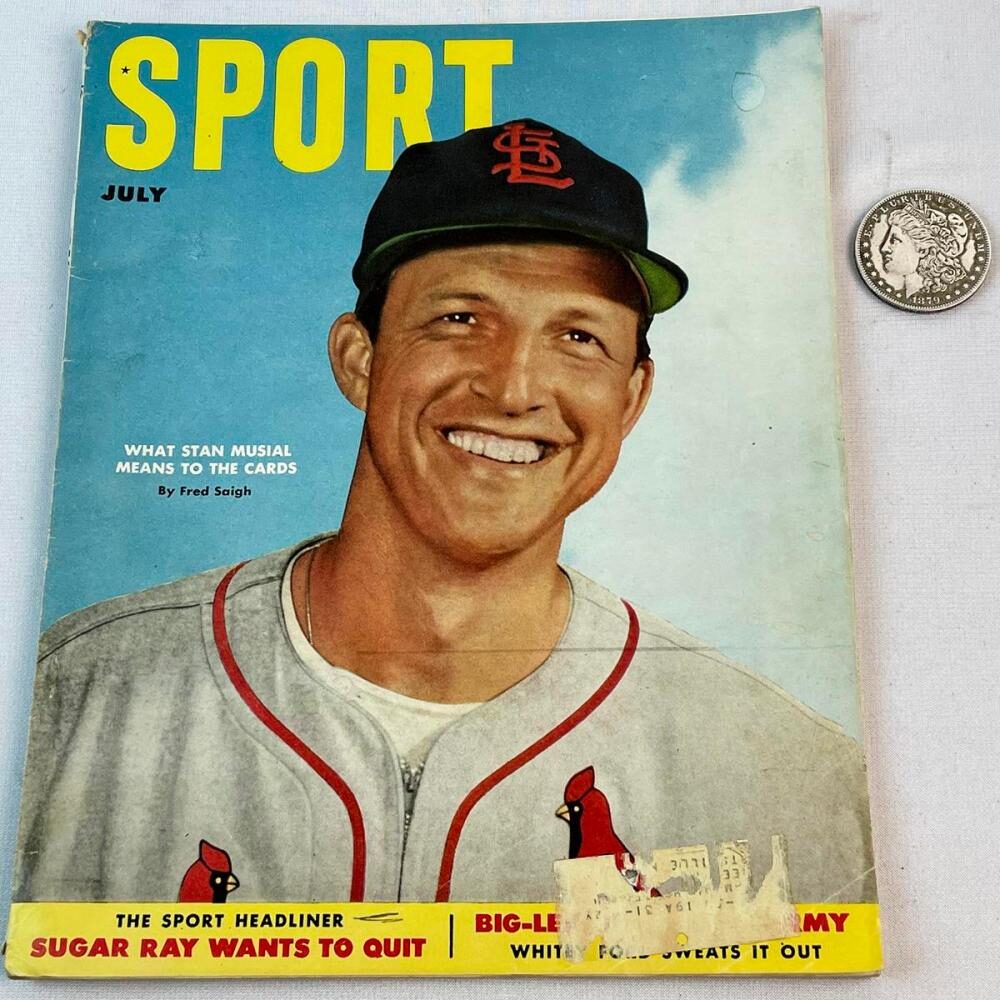
Flashback to January 16, 1952. We were in the thick of the Korean War, and everything, even baseball salaries, was caught in the economic crossfire. There was a rigid wage freeze, like everyone was trying to put a pause on player paychecks. But then the U.S. Standardization Board decided to shake things up, clearing the way for a salary raise for Stan Musial.
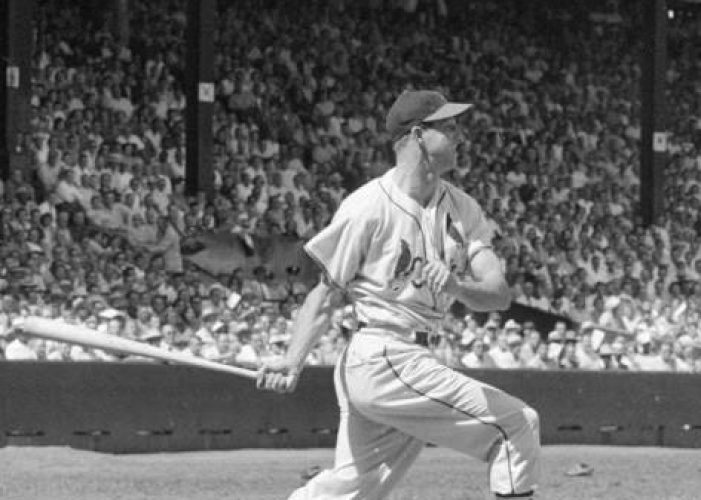
The rules required team salaries from 1946 to 1950, plus an extra 10%, to determine any salary changes. Musial was set to earn $85,000 – a big sum back then. By letting Musial get a higher paycheck, the board acknowledged his superstar status during an era of economic restrictions.
Stan, with his knack for batting and all-around skills, had talent in spades. Even during tight times, you couldn’t put a price tag on such talent—or could you? The board figured it out, and Musial’s bump in salary showed he had hit a home run in the eyes of those making the rules.
The Economic Tightrope of Baseball Salaries
The wage freeze of the Korean War era wasn’t just tough; it was like a blizzard over baseball salaries. Picture every team clutching its purse strings, unable to loosen them, even for talent like Stan Musial. The U.S. Standardization Board emerged offering just enough wiggle room to make things a little better.
The board’s formula was a sort of economic tightrope walk. By tying salary raises to a team’s total payroll from 1946 to 1950, plus a 10% increase, they gave teams some flexibility while keeping things under control. It was like they’d applied some WD-40 to the rigid machinery of salary regulation.
This move allowed athletes like Musial to at least bump elbows with potential prosperity. It also hinted that baseball salaries didn’t have to be stuck in war-time economics forever. The Board’s adaptation was like a soft breeze on a hot day—a welcome change in the tide of sporting fortunes.
The Ripple Effect of Musial’s Salary Bump
Musial’s jump to an $85,000 salary was bound to stir things up in the baseball world. Players across the league could look at Musial’s paycheck and think, “If Stan-the-Man can bat with this kind of paycheck, maybe we can too!”
This set the stage for livelier contract talks between players and team owners. Players might now have that extra spring in their step, realizing they had some bargaining power. While getting that upper hand might not be easy, it opened the possibility that their talents were worth more than before.
Team owners likely pondered the impact with mixed feelings. They’re acknowledging the board’s decision as necessary, but also preparing for future financial negotiations with players who might push for more.
The Changing Face of Baseball
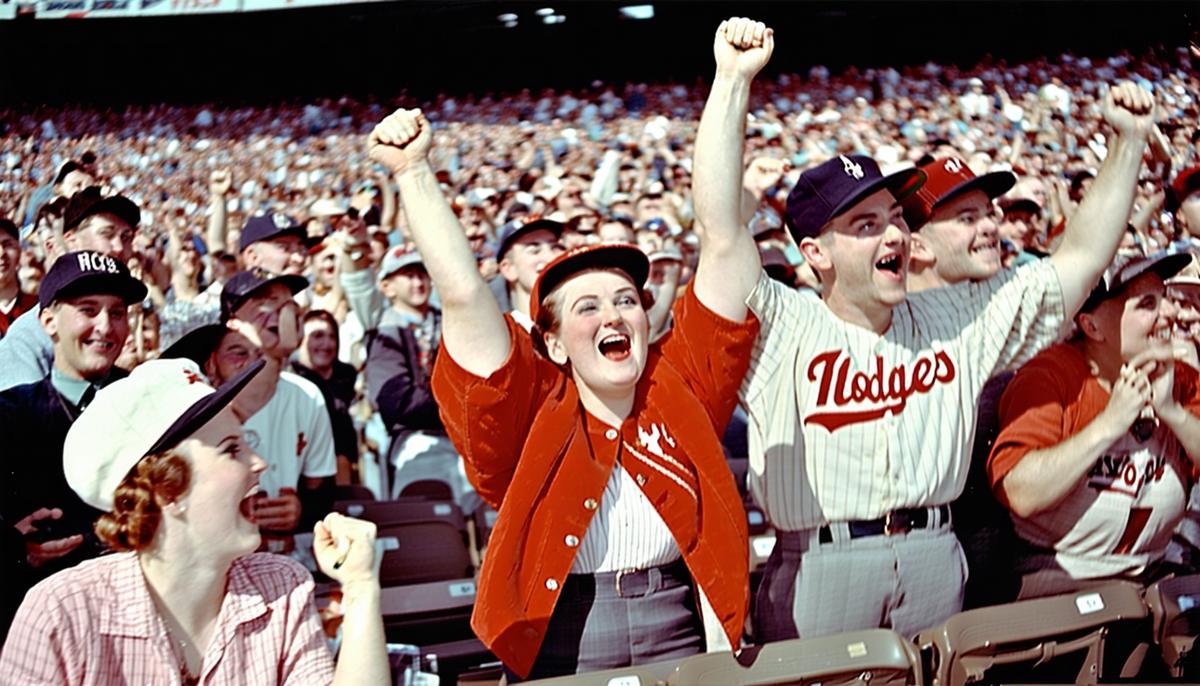
For baseball fans, Musial’s salary breakthrough redefined an era. It showed that baseball wasn’t just a game but a livelihood that needed rethinking. Players weren’t just men in jerseys with bats; they were key figures deserving recognition.
And so, the crack of the bat echoed brighter and the books were balanced with a bit more give. The game, like the country, found itself at a crossroads of tradition and change, nodding to its past while measuring new potential in its stars. In the background, the spirit of the 50s lived on—finding joy in a ballpark hotdog and the hope of what lies beyond a newly unlocked salary cap.
- Goldstein J. Wage-Price Controls in the Korean War. Monthly Labor Review. 1952;75(3):243-248.
- Lowenfish L. The Imperfect Diamond: A History of Baseball’s Labor Wars. University of Nebraska Press; 2010.