
The Baseball Legend of Fidel Castro: Myth vs. Reality
The year was 1951, and in Cuba, things were heating up in a big way. Imagine a young Fidel Castro on the pitching mound, a ball in his hand. There he was, ready to let loose a pitch that would supposedly land him kicked out of the game. Word on the street was that Castro took his baseball too seriously. So seriously, in fact, that an incident on January 22 led to his ejection after he reportedly hit a batter.
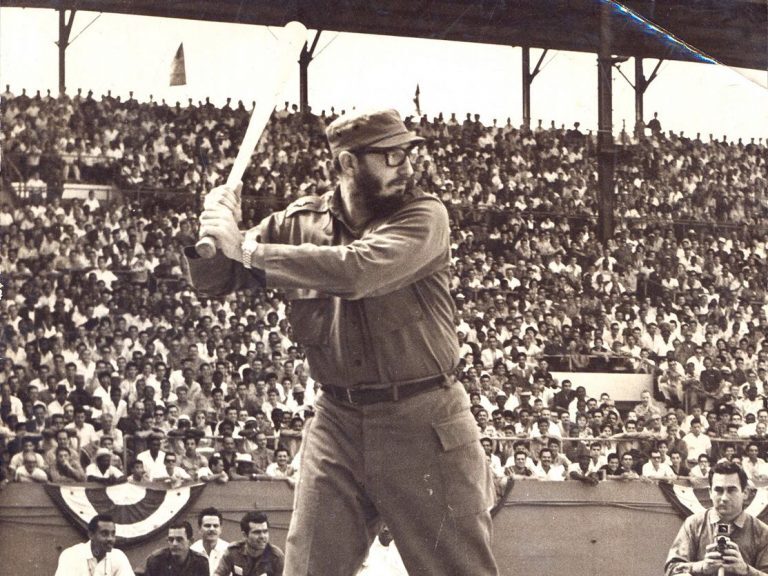
Now, the details of this sporting drama dance between fact and fiction. Witnesses claim Castro let fly not one of his fastballs but rather his temper. Picture this: Castro throwing a curveball that legends are made of, resulting in a batter’s bruised ego and a stormy dismissal from the game.
In Cuba, baseball held a beloved place—much like the myths swirling around young Castro. There’s talk that scouts were lurking, perhaps even pondering if Castro could be a secret weapon on their rosters. Alas, this tale never moved beyond the youth leagues. The legend that he was a star prospect is pretty inflated.
It's important to consider this famous incident through the lens of a story more spun from creative storytelling than hard evidence.
Scouting reports weren’t exactly piling up with Castro’s name. The real truth was he was a competent player, certainly passionate, but his baseball career was likely less impressive than the stories suggest.
The incident supposedly solidified his place in Cuba’s rich tableau of lore—a tale where sport and politics overlap. With that fateful game’s dust settling, Castro’s departure from the field opened a path to a revolution of a whole different league.
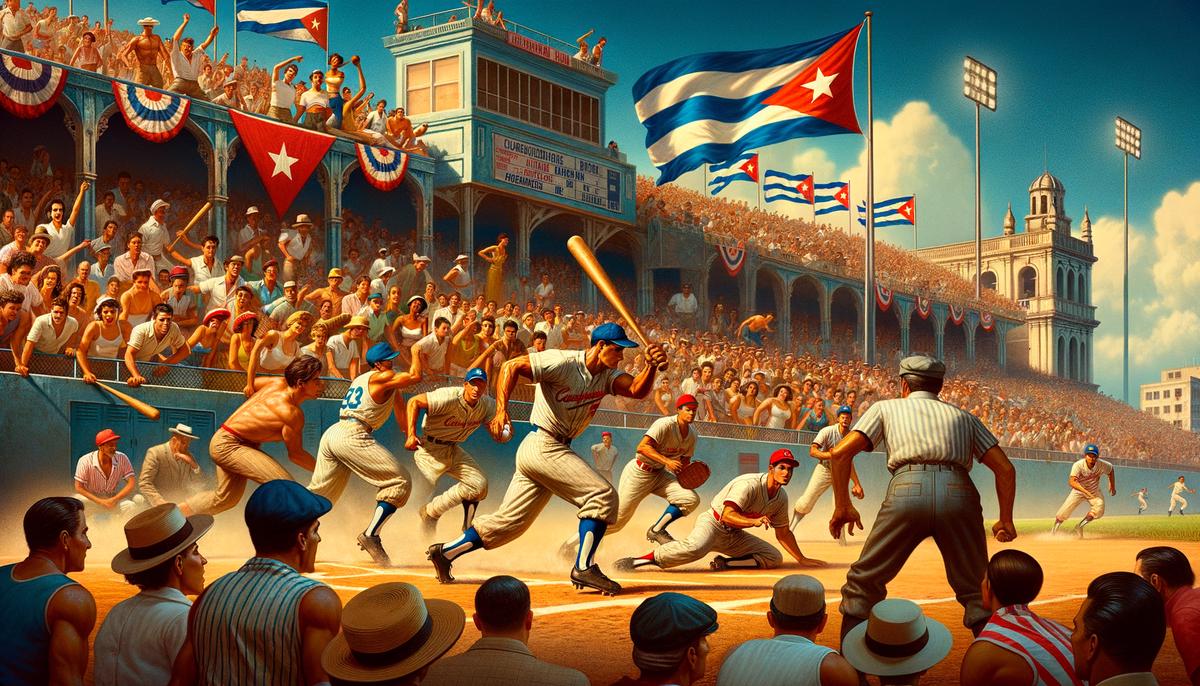
Debunking the Castro Baseball Myth
In the fever dream of 1950s nostalgia, who wouldn’t want a story where a budding dictator hurls fastballs instead of speeches? But the legend of Fidel Castro as a baseball pitching prodigy is more fiction than fact. No, scouts weren’t exactly queuing up for Castro, and he wasn’t the apple of Major League Baseball’s eye.
Let’s talk about the “Hoak’s Hoax” caper. Former ballplayer Don Hoak wove a yarn about his face-off with Castro that almost roped in everyone from gossipmongers to seasoned historians. Picture the supposed clash of titans: Hoak versus Castro in a pitching showdown in the Cuban sands—a story that’s as catchy as your favorite doo-wop track. But that’s where it shall remain, in the groove of tall tales.
Author Bjarkman points out that Castro’s baseball career was more sandlot than stardom. Sure, the guy loved the game, flinging himself with gusto into intramural matches at the University of Havana. But did Castro have professional callings, stars in his eyes, and his name cast in contracts? Not enough evidence to fill a Cracker Jack box, say the skeptics like Bjarkman.
Bjarkman sheds light on a tale often misunderstood: Castro’s legacy on the sport was more administrative, as he steered Cuban baseball into new territory post-Revolution. Under Castro’s watchful eye, the amateur leagues sprouted, fostering legends all their own, but none bore his name on the pitcher’s mound.
So, as our bygone days of “Gee whiz!” and baseball mitts linger nostalgically, let’s tip our hats to the resilient myths and truths that keep the past alive. While Castro’s fastball falls squarely into the land of make-believe, his impact left a mark in ways that play on cultural and political fields—a game as innate to the Cuban spirit as bobby socks to a sock hop.
Castro’s Real Impact on Cuban Baseball
Cuba in the 1950s was a land of change, crinkled with a curious mix of old world charm and impending change, like a black-and-white movie ready for cinemascope. Enter Fidel Castro, who transformed the nation both on and off the playing field. Castro’s real masterpiece was crafting Cuba’s baseball system from its capitalist roots into a socialist marvel.
When Castro took over in 1959, he disbanded professional leagues, pivoting Cuba to embrace amateur leagues. Castro firmly believed in the spirit of amateurism, akin to neighborhood kids gathering for sandlot games rather than chasing expensive dreams. Under his leadership, Cuba’s baseball began reflecting a new national identity, playing games that weren’t just about runs and outs, but about standing up to the world with a different kind of bat.
Bjarkman notes that while Castro’s actual baseball skills may have been exaggerated, his strategic pitches off the field were undeniable. He ingeniously politicized the sport, molding it into a soft-power tool, where Cuba’s prowess shone on international stages. Cuban teams, now made of dedicated amateurs, began sweeping international tournaments, claiming glory and medals before roaring crowds.
These leagues didn’t just reflect Castro’s ideological pivot but became a beacon for other countries dreaming of sidestepping the capitalist batting cage. Cuba’s triumphs in international events proved amateurs could swing with the best. The sports success became an emblem of Revolutionary Cuba’s broader package of education and health care reforms.
- Castro disbanded professional leagues in 1960
- INDER (Instituto Nacional de Deportes, Educación Física y Recreación) was established in 1961
- The amateur National Series began in 1962
- Cuban national team dominated international competitions from late-1960s to 1990s
In this new setting, the legend of Castro the would-be pitcher tied neatly back into Cuba’s broader story—though not from skill, but from sheer symbolic depth. It wasn’t Castro the player who shined, but Castro the orchestrator, playing baseball as a character in his larger political play. He stacked the bases, urging a home run, not for the game itself, but as a rally impelling Cuban pride across the world.
While tales of fastballs may belong to the land of bedtime stories, Castro’s real legacy was birthing a baseball revolution that won games and captured imaginations, lending Cuba a timeless, competitive spirit. As we reminisce about the 50s—those fabulous swingin’ times—let’s remember how Castro’s crafted myth became an enduring chapter in the saga of a nation crossing the threshold between yesterday’s simplicity and the world’s demanding expectations.
- Bjarkman PL. Fidel Castro and Baseball: The Untold Story. Rowman & Littlefield; 2019.
- Brioso C. Havana Hardball: Spring Training, Jackie Robinson, and The Cuban League. University Press of Florida; 2015.