
The Birth of Nuclear-Powered Submarines
On January 17, 1955, the USS Nautilus sent a message that would ripple through naval history: “Underway on Nuclear Power.” This groundbreaking submarine, powered by a cutting-edge nuclear reactor, was commanded by Eugene P. Wilkinson. As he ordered the lines cast off, he set powerful wheels in motion.
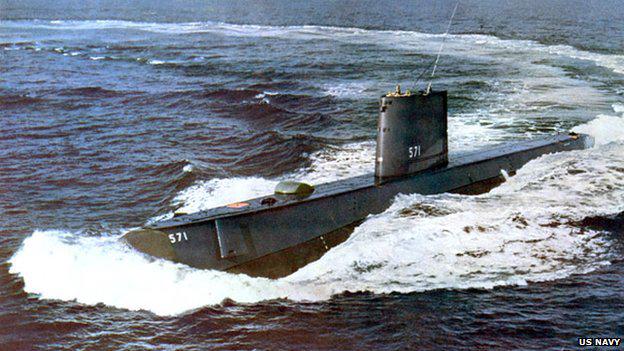
The Nautilus stretched 323 feet long and weighed 4,092 tons when submerged. This beast could slice through the deep at 23 knots (42 km/hr) both above and beneath the waves. Getting underway on nuclear power wasn’t just a technical marvel; it was a strategic one. It meant submarines could roam the seas for longer, unfettered by the need to surface for air or fuel.
Connecticut, with its rich maritime tradition, played a starring role. The Nautilus was born in Groton, growing out of the dreams of folks who dared to venture beyond their time. The shipyard buzzed with activity as craftsmen, engineers, and sailors crafted a leviathan that would set a new standard for undersea capabilities.
Revolutionary Nuclear Propulsion
What really set the Nautilus apart was its S2W pressurized-water nuclear reactor. This powerhouse cranked out enough juice to keep the Nautilus cruising at a blistering 23 knots underwater, leaving its diesel-electric cousins eating its wake.
Before Nautilus, submarines had to keep popping up for air because diesel engines demanded loads of oxygen. The Nautilus, however, could stay beneath the water as long as its supplies lasted. It’s like going from a steam-powered bicycle to a jet plane, and everybody knew that the rules of the undersea game had changed forever.
Groton: Birthplace of a Sea Beast
Groton, Connecticut, is where this sea beast came to life, thanks to the Electric Boat Shipyard. Crafting the Nautilus there wasn’t just a nod to tradition; it was about harnessing the very best in maritime innovation and craftsmanship. For the folks working there, it must’ve felt like assembling a fortress of the future, piece by piece.
Transforming Naval Strategy
The Nautilus didn’t just transform submarine operations; it reshaped global naval strategy. In 1958, it made a daring journey beneath the polar ice cap, crossing the North Pole. This voyage wasn’t just a jaunt into uncharted waters; it showed how versatile a nuclear-powered sub could be.
With the Cold War heating up, the Nautilus’s Arctic achievement was like showing off a new superpower. She wasn’t just fast; she could thread undersea routes previously deemed inhospitable. By traveling from the Pacific to the Atlantic via the North Pole, the Nautilus underscored the might of nuclear propulsion in extending a navy’s reach.
Legacy and Impact
The Nautilus served for over a quarter-century, diving deep and logging impressive mileage. After retirement, she became a museum and was designated a National Historic Landmark. This status transformed Nautilus into a symbol of the United States’ maritime legacy and technological prowess.
The legacy of Nautilus inspired the development of nuclear fleets worldwide. Countries scrambled to explore the same technology, knowing that subs like the Nautilus could patrol silently and stealthily over vast territories. As it stands docked for public viewing, the Nautilus remains a cool reminder of 1950s innovation—a time when America dared to push boundaries and explore new frontiers.
- Polmar N, Moore KJ. Cold War Submarines. Washington, DC: Brassey’s; 2004.
- Holmquist C, Greenbaum R. The Development of Nuclear Propulsion in the Navy. US Naval Institute Proceedings. 1960.
- Clancy T. Submarine: A Guided Tour Inside a Nuclear Warship. New York, NY: Berkley; 1993.
- Ahern JJ. The U.S. Navy’s Early Atomic Energy Program. International Journal of Naval History. 2003.