
Nostalgic Baseball Radio Experience
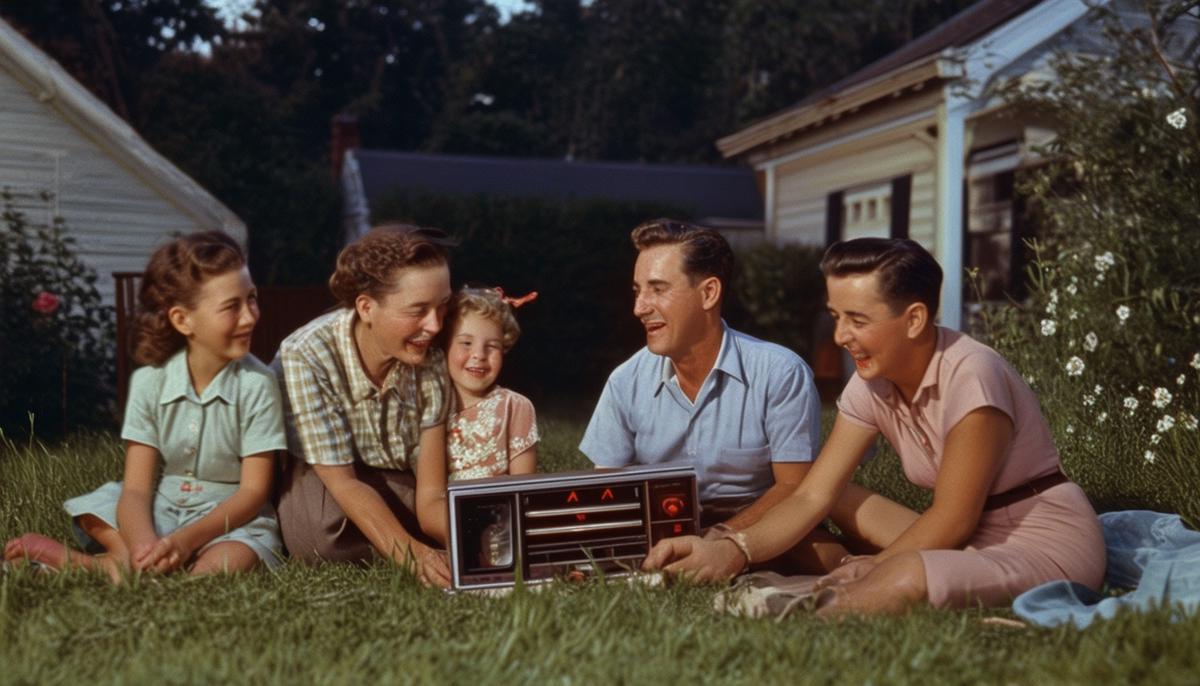
Baseball games on the radio were something special in the 1950s. Picture a warm summer evening, kicked back in your lawn chair, not missing a beat of the game even though you're miles from the ballpark. The play-by-play unfolded like a story, each pitch and swing painting a mental picture.
Families gathered around radios, making baseball part of daily life. Under the night sky, that familiar static-y hum brought games to life, connecting listeners. Neighbors swapped thoughts on last night's double play or home run over their fences. It was more than a pastime; it was a shared experience.
Broadcast legends like Mel Allen and Vin Scully became the voices of many fans' baseball journeys. Their voices were as familiar as a favorite family recipe. Allen's "How about that!" still rings in memory, capturing the excitement of a close game.
The magic of night games was special too. After a long day, folks tuned in, eager for the rhythm of innings unfolding, sometimes drifting off to sleep to the gentle back-and-forth of hits and strikes.
Baseball on the radio was a slice of Americana, like a backyard barbecue or a drive down Route 66. Whether at home or secretly listening under the covers, the game brought people together, a ritual passed down through generations.
Technological and Cultural Significance
The 1950s saw a golden era for baseball on the radio, thanks to technological advances. The AM radio was a marvel—a small, portable device that brought the ballpark into homes nationwide. It wasn't just furniture; it was a gateway to the game.
Clear-channel AM stations, with their long-range signals, brought baseball to even remote corners of the country. For many fans, this was their first real taste of the action, especially where attending games in person was rare.
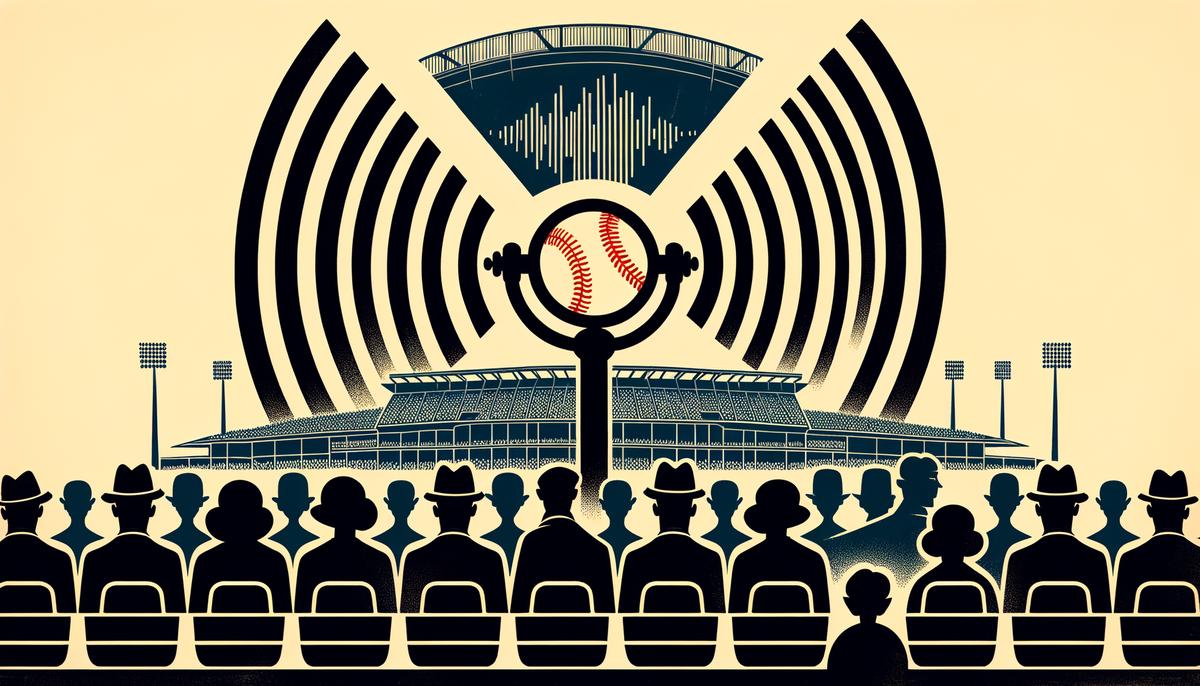
Radio held a special place in American culture. It allowed a family in Kansas to experience the same thrills as those at Yankee Stadium. It was like a magic portal that let anyone, anywhere, join the crowd of loyal fans.
Legendary broadcasters became the link between millions of listeners and the game. They didn't just describe plays; they created vivid scenes in listeners' minds, sparking conversations that became part of social life.
For kids, a transistor radio was like a membership card to an exclusive club where loving baseball was the only requirement. Whether listening while doing chores or chatting with neighbors, radio made baseball a common language across the nation.
This mix of technology and culture brought communities together and widened the sport's appeal. The airwaves became a field for the imagination, where folks could escape everyday life and be part of something bigger.
In those radio waves, baseball became more than just a game; it was a shared experience that united people. Even now, memories of those summer nights remind us of a time when every play was described in colorful detail and every listener felt like part of the team.
"TV leaves nothing to the imagination," Harold Arlin said. His medium, on the other hand, left all.
The impact of radio on baseball's popularity cannot be overstated. As John Thorn, official historian for MLB, noted:
"Radio had already brought major league games to the working class, and especially to women."
This accessibility helped grow the game beyond its traditional audience, creating new fans and solidifying baseball's place in American culture.
- Thorn J. Personal communication. 2023.