
Architecture and Atmosphere
Stepping into a 1950s bowling alley was like entering a retro time machine. Neon signs flashed like movie marquees, and spacious interiors invited laughter and hustle. The design was as iconic as a jukebox playing Elvis—a blend of streamlined looks and roomy layouts that made even busy weekends feel cozy.
Inside, the sound of crashing pins set the mood. It was a mix of friendly wins and hopeful second tries—the soundtrack of 50s fun. The vibe was as natural as sharing a cherry Coke. Every lane was a stage for folks to enjoy some friendly competition and relax with family and friends.
The decor often had murals or funky colors, making it a treat for the eyes. Lanes and scoring tables were brightly painted, seeming designed by people who loved both art and numbers. Unlike today's computers, you'd write down scores on those cool projector tables, keeping everyone more involved in the game.
This was before bowling alleys became packed with video games and food courts. They were simpler places, serving up classic diner food:
- Hearty burgers
- Shareable fries
- Thick milkshakes that could nearly clog a straw
With slightly dimmed lights and smooth lanes, it was easy to get lost in the atmosphere. Bowling alleys were magnets for dance-offs, family gatherings, and community leagues. Friendships formed and rivalries played out over strikes and spares. These places were more than just a backdrop—they were community hubs where you could relax and be yourself.
Bowling Culture and Community
In the 1950s, bowling alleys were the heartbeat of the community. They welcomed everyone, from serious bowlers to casual players just looking for fun.
Leagues and clubs were super popular. Joining a league was as common as having milk delivered to your door. Each week, league night brought laughs, friendly competition, and maybe even a victory toast with root beer floats.
Families loved bowling alleys too. Kids' birthdays felt like mini-parties, with bumper lanes to help the little ones. Parents could relax, knowing it was a safe and affordable night out. Saturdays often became family affairs, with everyone cheering each other on.
Beyond leagues and families, bowling alleys connected all sorts of people. Workers came to unwind after a long week, while high schoolers aimed for new high scores. It was a place to catch up on local news and notice if a regular hadn't shown up in a while.
Random chats started easily between turns. From quiet conversations to loud stories, bowling alleys were full of life and shared experiences. The mix of popcorn smell and laughter created a fun atmosphere that stuck in people's memories.
"Everything from the bowling return down to the furniture is original and from the 1950s," Colby told Mlive. "Even the scoring system, where you have those retro tables with the projector screens, is original. You have to actually hand write your scores and they project above."
While bowling tech has changed a lot since then, the core of what made it special—community, friendships, and good times—still rolls on today. What started as a simple game became a big part of 1950s social life.
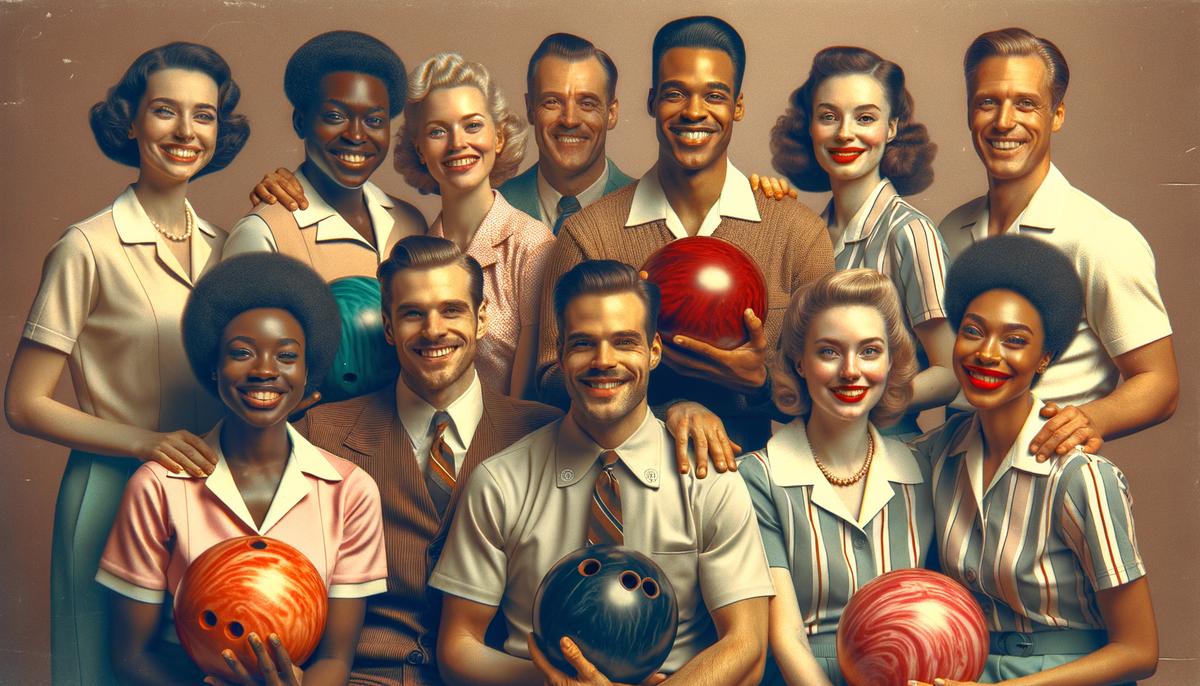
As we look back, it's clear that while the lanes have changed, the heart of bowling remains. Sometimes, simple fun with friends and family is all we need.
Did you know? By 1963, there were 11,000 bowling alleys across the country, significantly up from 6,600 in 1955, showcasing the sport's booming popularity during this era.
- New York Times. "Action bowling" in the 1960s.
- Professional Women's Bowling Association records.
- National Bowling League historical documents.