
Cultural Impact and Initial Success
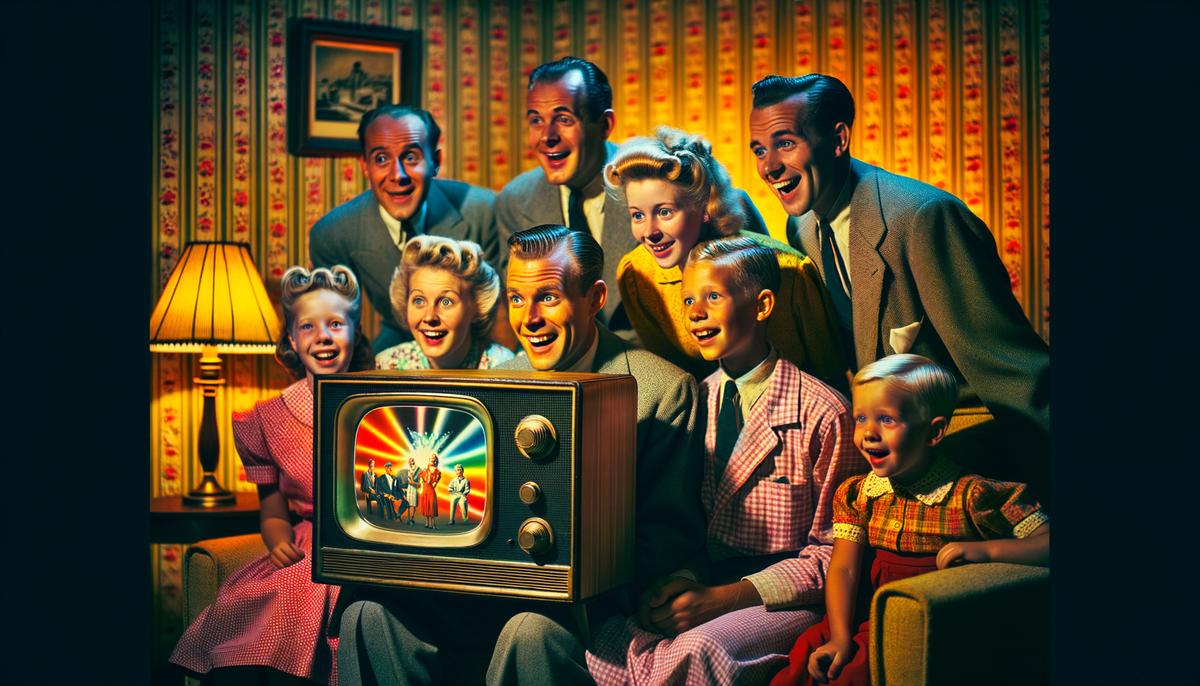
The 1950s were a magical time for brands. With the post-war economy booming, folks had cash to spend, giving brands an eager audience. Television became the new star of mass communication, bringing iconic brands into living rooms across America. Saturday morning cartoons became prime sponsorship slots, and visual advertising rocketed brands like Tide into household names.
American culture wasn't just thriving; it was setting global trends. Coca-Cola became an emblem of optimism, while drive-ins and jukeboxes defined the social scene. Fast food took off, with McDonald's golden arches beckoning like bright stage lights.
U.S. products carried a charm that was hard to resist worldwide. Folks around the globe looked to America as if borrowing a piece of that gleaming spirit just by sipping a Coke or wearing Levi's jeans. Brands weren't just selling products; they were selling a dream.
In this era, brand logos needed style and flair. Simplicity became king, with bold colors and clear typefaces making logos memorable. As the 1950s ended, these brands left a legacy, becoming icons etched into the grand mosaic of nostalgia, still flickering in our collective memory.
Brand Evolution and Longevity
As the years ticked by, brands evolved, some keeping pace with changing times and others fading away. Woolworths, once a staple of 1950s shopping, couldn't navigate the modern retail landscape and closed its doors in 2008.
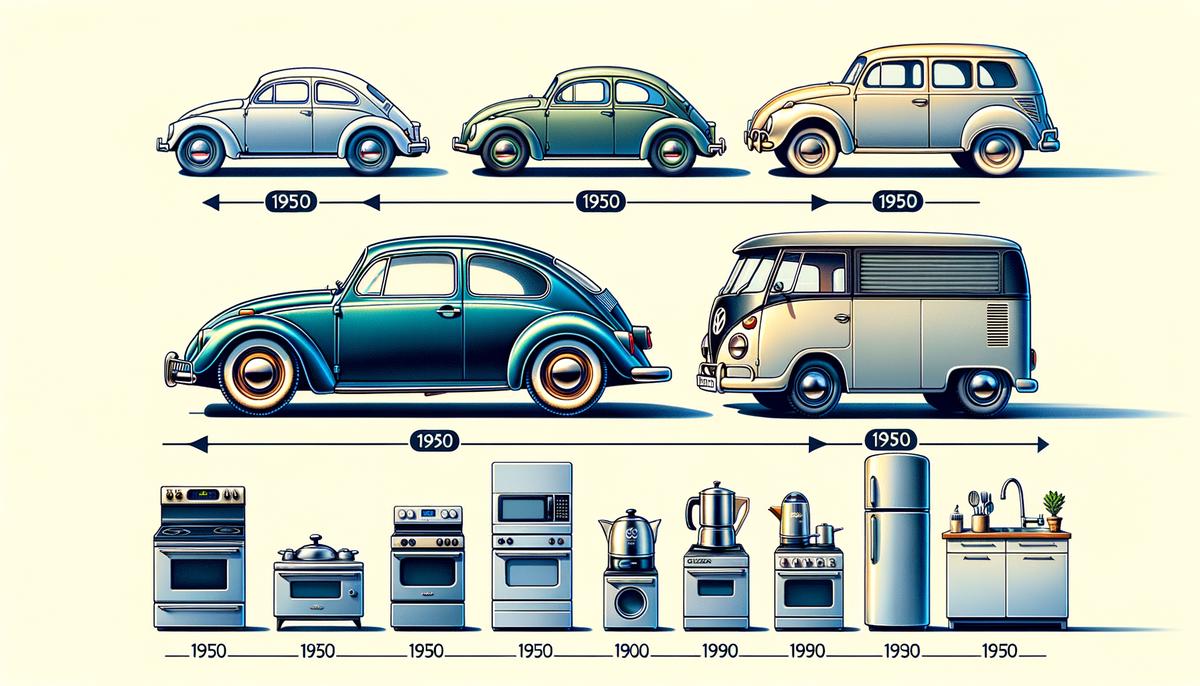
Volkswagen, on the other hand, drove into the future with style. The Beetle became a symbol of reliability and charm worldwide, and the company kept innovating, proving that classic vibes can still hit the high notes today.
Russell Hobbs and Kenwood stayed in kitchens and on shelves, evolving their designs and tech to become household staples. They modernized while retaining the soul of their original designs.
Yet, some brands stumbled. Morphy Richards faced tougher competition, struggling to maintain its previous success. Ever Ready possibly didn't keep up with innovation, drifting quietly into the past as digital gadgets surged.
Today, some 1950s brands still shine bright, while others have become chapters in the vintage book of history. They've adapted, evolved, and still carry the echoes of a decade that taught us about style, dreams, and the art of branding.
Lessons for Modern Branding
What can today's brands learn from the 1950s trailblazers? Let's look at a few key lessons:
- Simplicity: The logos of the '50s were sleek and straightforward, designed to stick in your memory. In our cluttered digital world, streamlined designs still resonate. It's about focusing on your brand's core message, making sure it speaks clearly across various platforms.
- Emotional connections: Brands like Coca-Cola became more than products; they were part of people's lives. Today, creating authentic, relatable stories is crucial. Use digital touchpoints to connect with sincerity and warmth.
- Adaptability: 1950s brands embraced changing lifestyles and new tech like television. Now, brands need to be nimble across rapidly evolving digital channels, ensuring their presence feels native on all platforms.
- Consistency: While adapting to new mediums, maintaining a consistent brand identity is key. Your brand voice should echo across all channels, creating a seamless experience for consumers.
By applying these timeless strategies to our digital age, modern brands can create meaningful connections while staying true to their roots. After all, some tunes never go out of style!

In a world that moves at the speed of light, it's refreshing to pause and reflect on the timeless lessons from the 1950s. Brands from that era taught us about simplicity, emotional connection, and adaptability—principles that continue to resonate today. By embracing these enduring strategies, modern brands can create meaningful connections with consumers while staying true to their roots.
- Rosenberg W. The Dunkin' Donuts Story. Dunkin' Donuts. 1950.
- Smith T Sr. Sonic Drive-In: A History of America's Favorite Drive-In. Sonic Corporation. 1953.
- Butler H, Jezak R. Denny's: A Diner's Delight. Denny's Corporation. 1953.
- Williams C. Williams-Sonoma: Bringing European Cookware to America. Williams-Sonoma, Inc. 1956.
- Wilson K. Holiday Inn: The Birth of a Hotel Empire. Holiday Inn Corporation. 1952.
- Bloch H, Bloch R. H&R Block: Simplifying Taxes for Everyone. H&R Block, Inc. 1955.