
Historical Car Prices
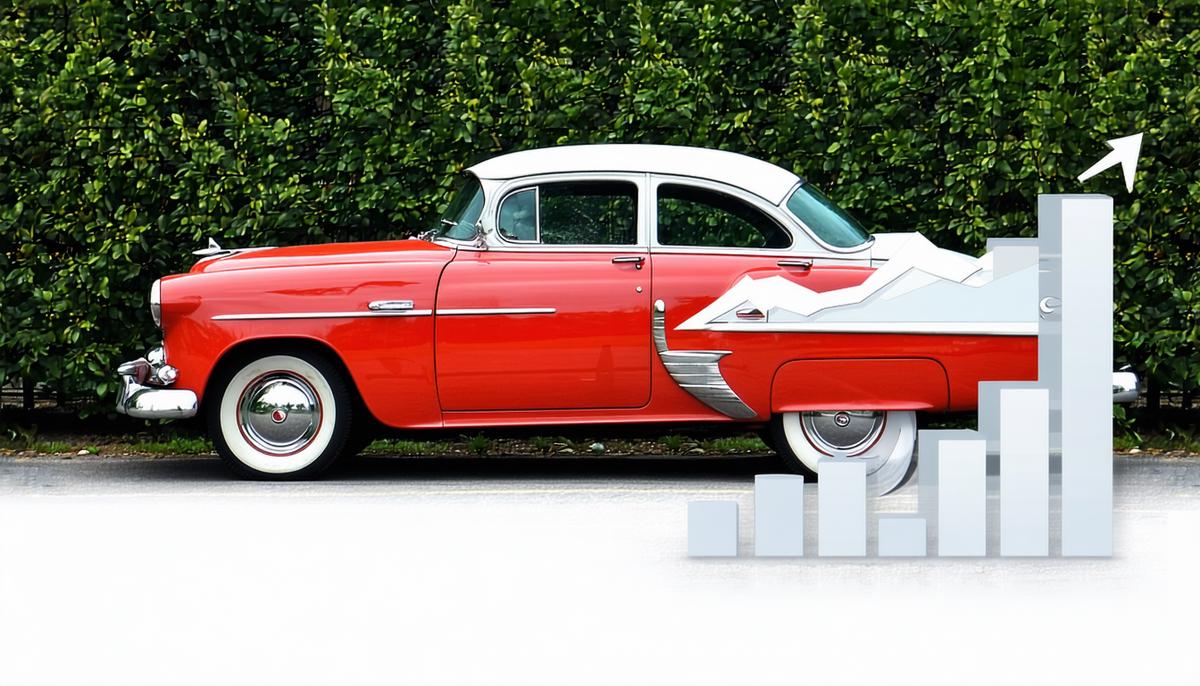
Ever wonder how cheap cars were in the 1950s? The Chevrolet Bel Air cost just $1,987 in 1955. Today, you’d need up to $49,600 to add it to your collection. What a change! The Ford Custom was only $1,511 back in 1950, but now that classic can cost nearly $16,600.
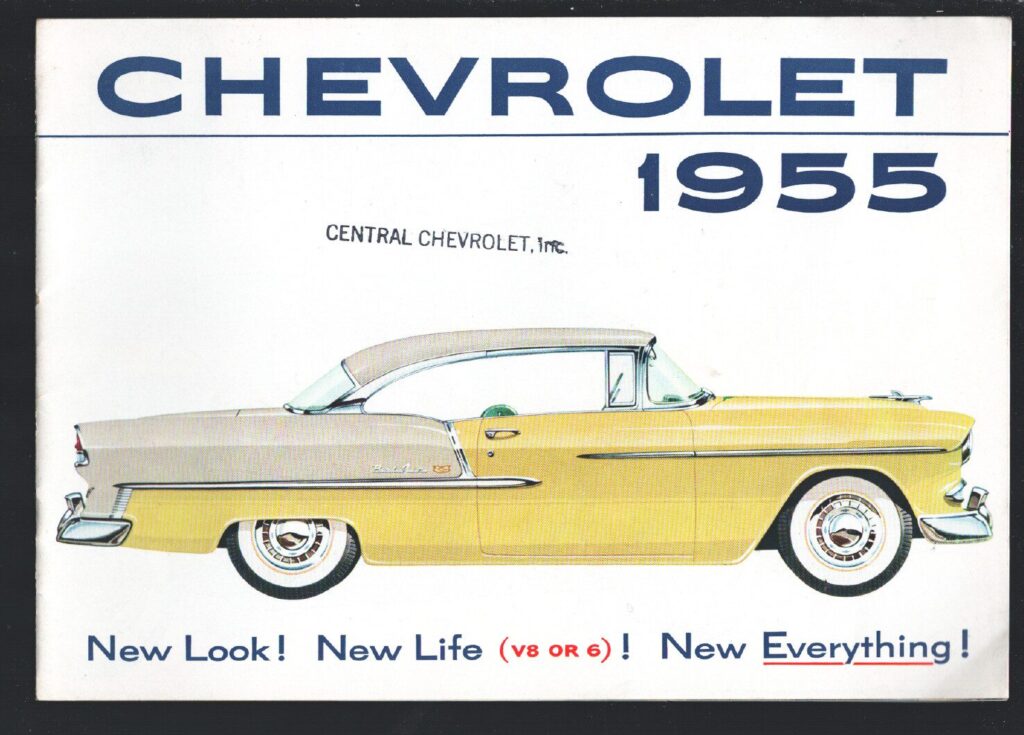
Inflation, safety improvements, and innovation have all contributed to price increases. A Cadillac DeVille worth $3,523 in the 1950s is now valued at up to $45,000. Our grandparents got a real bargain!
Here are some more eye-opening price comparisons:
- Plymouth Belvedere: $2,145 (1954) → $18,000 (today)
- Oldsmobile 88 Fiesta: $3,541 (1957) → $219,000 (today)
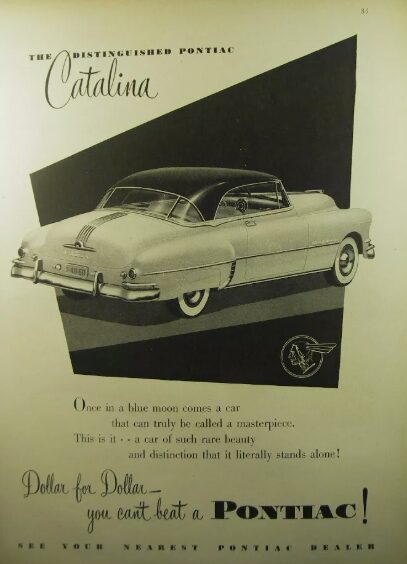
- Pontiac Catalina: $2,127 (1950) → $37,700 (today)
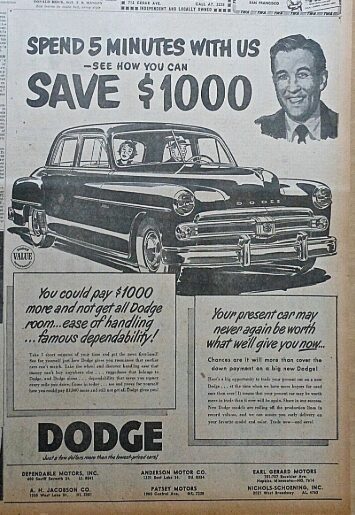
- Dodge Coronet: $1,927 (1950) → $10,200 (today)
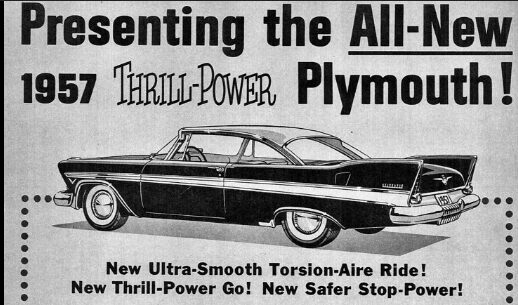
No matter how far we progress with our high-tech gadgets, these classics maintain their allure, appealing to everyone from seasoned collectors to newbie car enthusiasts.
Current Market Values
Today’s collector car market shows how these classic beauties have appreciated over time. The Oldsmobile 88, once fairly priced in the 1950s, now commands close to $219,000 for a pristine example. So, what’s driving such impressive valuations?
Scarcity plays a huge role. Fewer models of these automotive gems remain on the road or in barns. The Oldsmobile 88, with its potent engine and sleek design, represents innovative postwar American engineering.
The Pontiac Catalina, once $2,127, now fetches up to $37,700. The flair these classics offered, coupled with their rarity, makes them highly sought after in a world of cookie-cutter designs.
Desirability fuels the market. The Oldsmobile and Pontiac badges carry on the spirit of the breezy, optimistic 1950s that car collectors love today. People are willing to pay a premium to park a piece of history in their garage.
Historical significance also plays a role. These vehicles are storytellers of American culture, reminding us of a time when every Sunday drive felt like a cruise through history.
Market Dynamics and Trends
The classic car market isn’t just for baby boomers anymore. Millennials and Gen-Xers are joining in, making serious waves. Let’s look at what this means for our beloved 1950s American classics.
These younger folks are discovering the charm of classic cars, influencing the demand for 1950s gems. The Hagerty Price Guide and repeat sales index offer a glimpse into how this budding interest is shaking things up.
Some models are alive with activity. A 1957 Chevrolet Nomad that fetched $84,700 in 2017 later zoomed to $187,000 in 2021. Meanwhile, a 1957 Chevrolet Corvette 283 Fuelie initially sold for $258,500 only to drop to $137,500 in a recent resale.
Younger collectors are eyeing cars within their budget. They’re haggling on classic car quotes 15% more often than just a couple of years back. As older collectors exit, these new enthusiasts could step in, perhaps even scooping up cars that become more available.
These shifts in demographic interests might influence the collector car market. Keeping our eyes peeled for how this unfolds will be interesting, as each generation adds its own touch to this timeless appreciation of rolling art.
Investment Perspective
Let’s consider the investment perspective on 1950s American cars. These beauties do more than just charm with their curvy lines – they can be a play on both passion and potential profit.
These autos have offered respectable returns without the usual financial market ups and downs. The average annual return for a 1950s classic hovers around 3.3 percent. That’s not winning the lottery, but it’s hardly a ride into depreciation!
It’s also about stability. The market for 1950s cars tends to be more of a gentle cruise compared to broader markets. These cars, with their vintage flair, offer a smoother path for collectors wary of wild swings.
Of course, there’s strategy involved. Some cars, like the Oldsmobile 88 Fiesta with its value leap, have proven to be wise choices. It’s about balancing rarity, historical significance, and the love affair people have with these American icons.
For savvy collectors, these cars are alternative investments that add diversification to a portfolio. And let’s be real, there’s a certain joy in owning a piece of Americana that a stock certificate just can’t match.
As you consider stepping in, think about the blend of motive and money. With the right moves, you could have both: a classic car that captures hearts and a promising financial future.
- Morris County Library. Historical prices of used and new automobiles from 1950 to 2016.
- US News & World Report. Best Cars for Your Money.
- Kelley Blue Book. Car Price Lookup.
- Hagerty. Price Guide Indexes.
- NADA Guides. Classic Car Values.