
The Emergence of Color Television
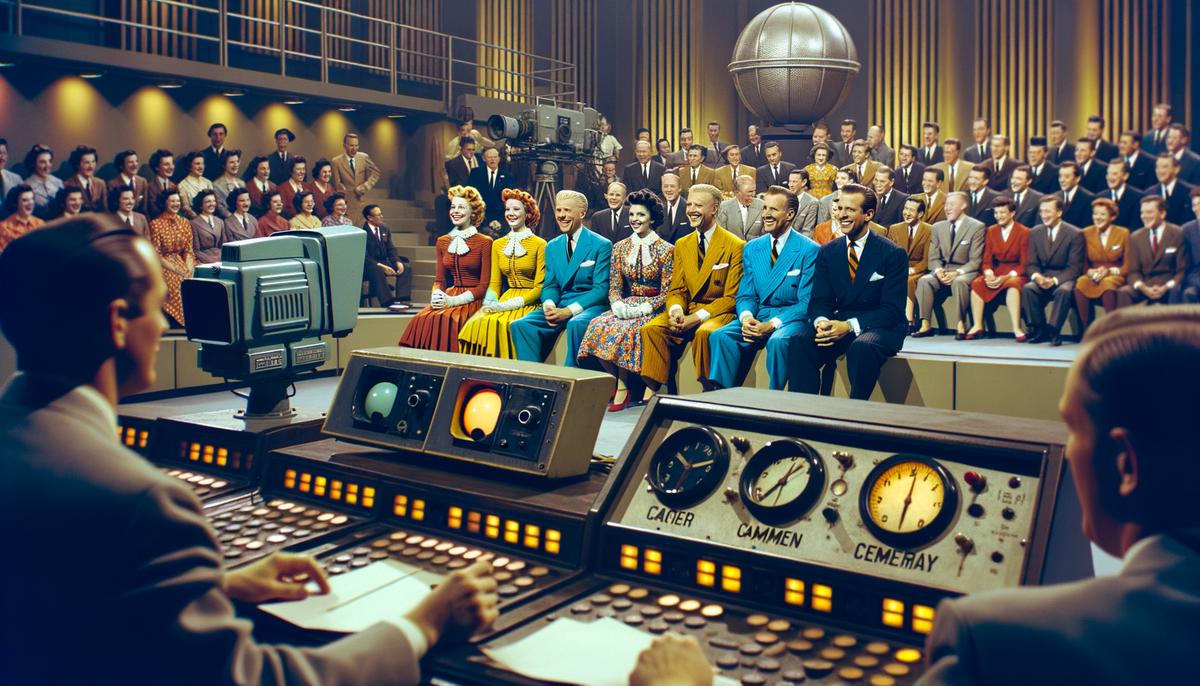
Witnessing that first color TV broadcast in the 1950s was incredible. It was like the world suddenly got a new paint job, and we were all watching from our living rooms. Black and white TV had its charm, but color? That was something else entirely!
Picture this: one minute, you're used to grayscale, and the next, CBS is showing a lineup of colorful dreams. It was as if someone had taken your TV and waved a magic wand. Faye Emerson's dress wasn't just a dress anymore; it was a dazzling display of colors.
RCA wasn't about to be left behind. They were showing off too, with color demonstrations that amazed even the skeptics. RCA's all-electronic color system was impressive, working with existing black and white sets. They were all about compatibility, boasting that you could enjoy color TV on your old set too.
The first commercial color broadcasts were a big deal, even if most folks were still watching on black-and-white sets. On June 25, 1951, CBS aired "Premiere," marking a new era in television.
Color TVs were expensive at first, like those fancy new cars everyone talked about. Not many people could afford them, and color broadcasts were still pretty rare. But you could feel the excitement in the air – TV was changing in a big way.
By the end of the decade, color had started to become more common in TV. It was slowly but surely changing how we watched television, making everything seem a bit brighter and more exciting.
Cultural Impact of Color TV
Color TV wasn't just a treat for the eyes; it changed American culture in a big way. When those first color broadcasts hit the airwaves, they transformed how we lived, shopped, and even thought about politics.
Suddenly, commercials weren't just selling you a product—they were offering a vibrant slice of the future. Everything from refrigerators to breakfast cereals looked more appealing in color. Advertisers knew what they were doing, making viewers feel like they needed these colorful products in their lives.
Color TV also played a part in the Cold War. It was a showcase of American innovation and lifestyle, contrasting with the less colorful broadcasts from other parts of the world.
Political campaigns changed too. Politicians didn't just talk about policies; they used color TV to make their visions of a brighter tomorrow seem more real and convincing.
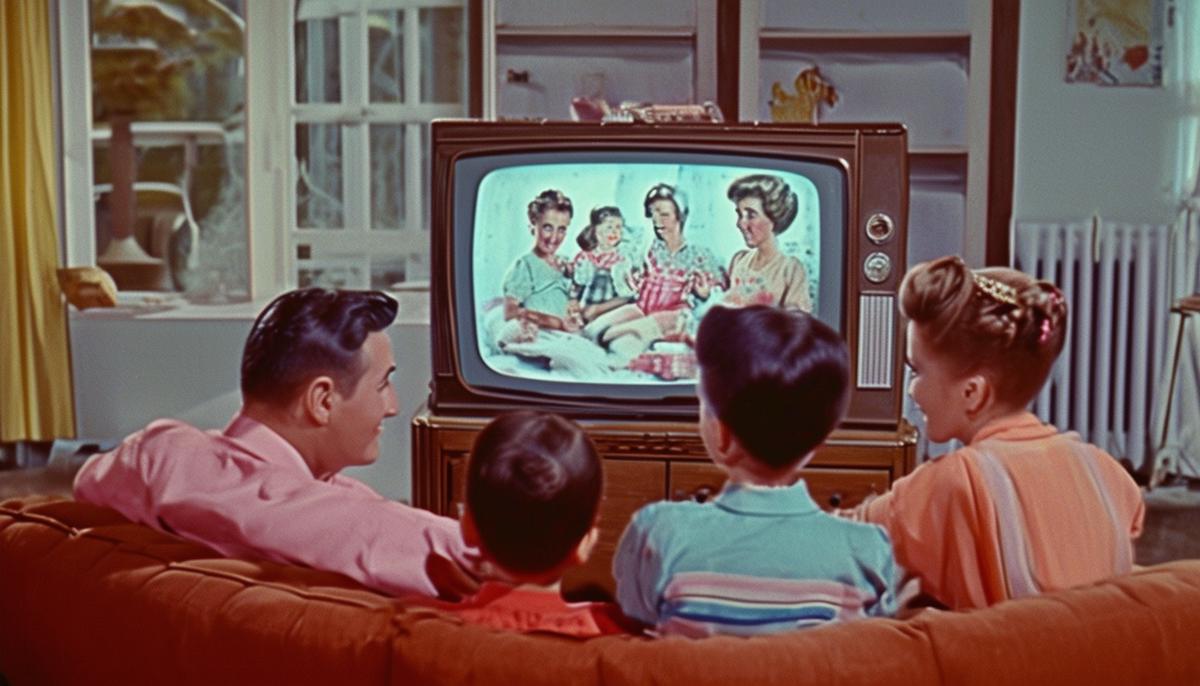
Families started planning their evenings around color TV shows. It wasn't just about the stories anymore; it was about experiencing a world full of vibrant colors right in your living room.
Color TV made everything look a bit more fabulous and promising. It changed how we saw the world on screen, and in turn, how we thought about the world around us.
Early Color TV Broadcasts
The early days of color TV broadcasts were pretty exciting. Turning on a color broadcast was like opening the curtains on a sunny day after a week of rain – it just made everything feel brighter.
CBS gave folks their first real taste of color TV on June 25, 1951, with a program called "Premiere." Most people were still watching on black-and-white sets, but if you were lucky enough to see it in color, you were part of TV history.
RCA quickly joined in with their own color system. They even showed off a red dragon on NBC's "Kukla, Fran and Ollie," which was a big deal back then!
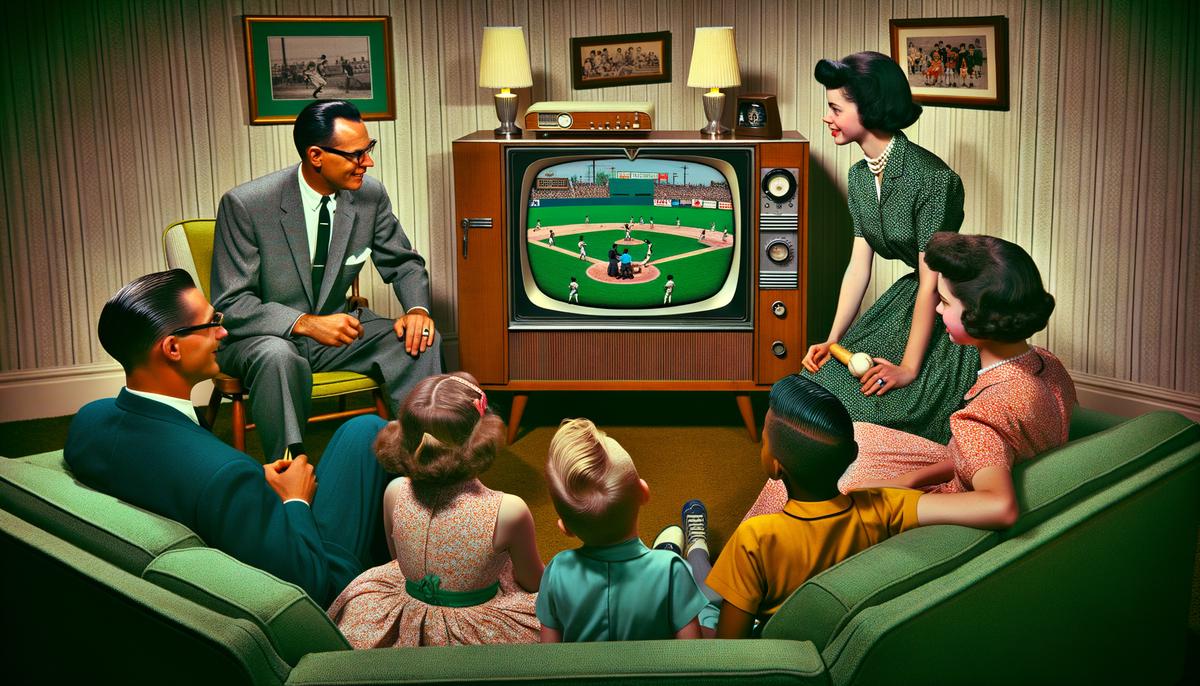
It wasn't just about TV shows either. Watching sports in color was like having front-row seats right in your living room. Suddenly, you could see how green the grass really was on the baseball field.
Kids loved seeing their favorite cartoons in color, and commercials started showing off products in all their colorful glory. Before long, people weren't just waiting for their favorite shows – they were talking about how good the colors looked too.
These early color broadcasts changed more than just what we saw on TV. They changed how we thought about TV itself, making it feel like a window into a more vibrant world.
Color television didn't just change the way we saw things; it transformed our perception of the world, making everything seem a little more vibrant and full of promise.
- Murray S. Bright Signals: A History of Color Television. Durham, NC: Duke University Press; 2018.
- Edgerton GR. The Columbia History of American Television. New York: Columbia University Press; 2007.