
Life in the 1950s was woven with threads of community, family, and tradition. It was a time when gatherings and shared experiences formed the core of daily living, creating a sense of belonging and unity.
Community and Family Life
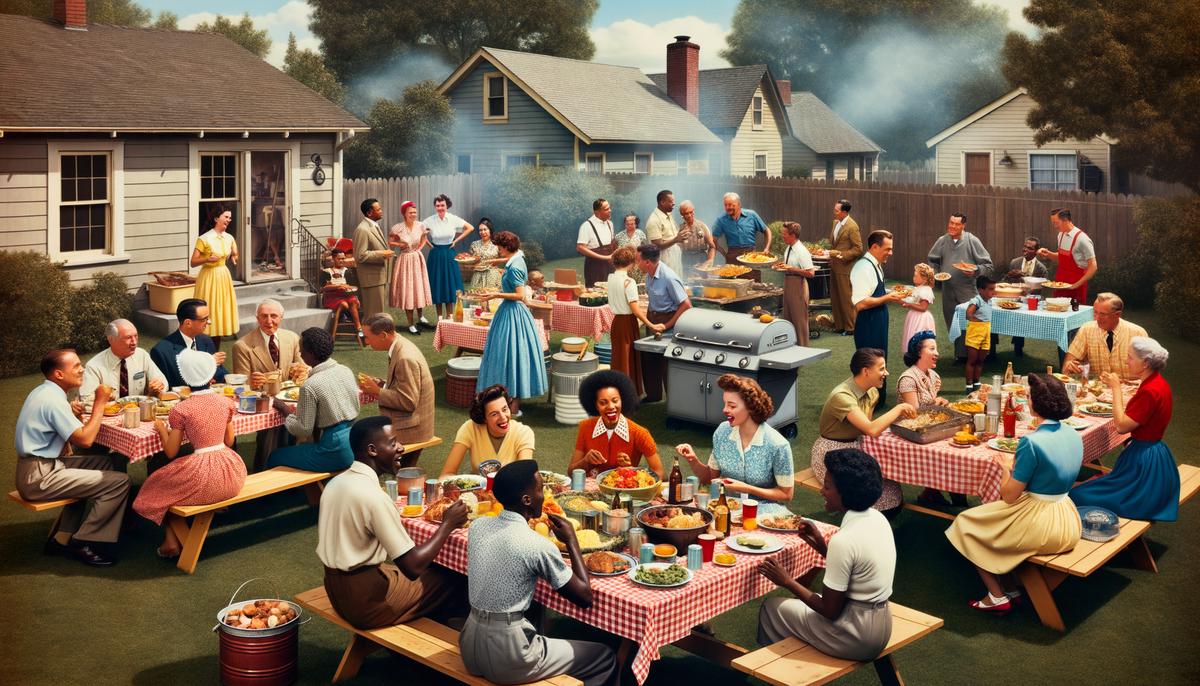
Back in the 1950s, gatherings at the local church or town square were as common as penny candies at the corner store. Life revolved around community and family. Folks found comfort in large Sunday dinners after church, where conversations flowed easily. Every potluck was a display of neighborly love, with plates piled high and heartwarming stories swapped.
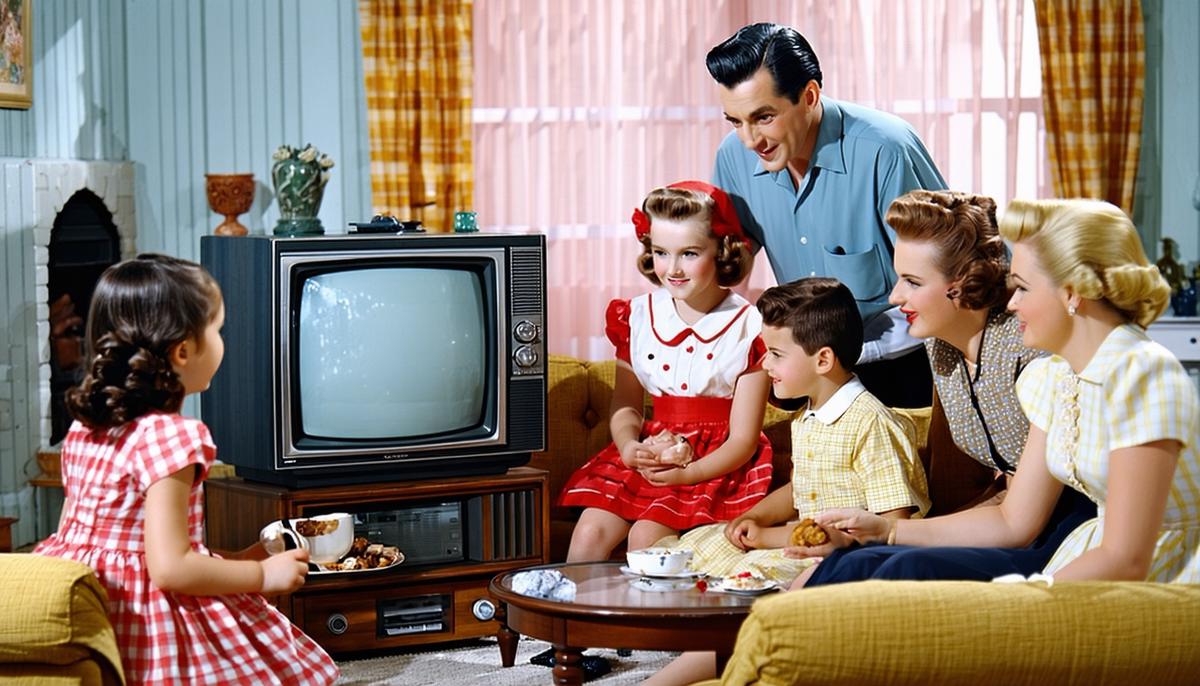
Suburban living was the ticket to the American dream, with houses popping up quickly. These new homes, with white picket fences and manicured lawns, were the backdrop for a life of togetherness. Families gathered in their "family rooms," laughing over the antics on their brand-new television sets.
The baby boom kept stroller sellers and diaper companies busy. It painted an optimistic picture, reflecting a society ready to embrace the future. Children were the focal point around which life spun joyously.
Discipline was like the firm hand of a parent. Rules and norms were laid down clearly—being outside after dark was rare. But these rules weren't just stifling; they provided a framework for a world striving for normalcy after World War II.
Comparing this with today's norms shows quite a difference. Back then, there was a single line to toe. Today, individuality is celebrated, and the word 'community' has transformed into digital cliques and online neighborhoods. Family gatherings might now involve more screens than faces.
Still, there's charm in the values that held the 1950s together. It was a time when having a chat with your next-door neighbor was more likely than receiving a text. Community spirit was a significant asset—something that still strikes a chord, even in this fast-paced world.
Religious Influence
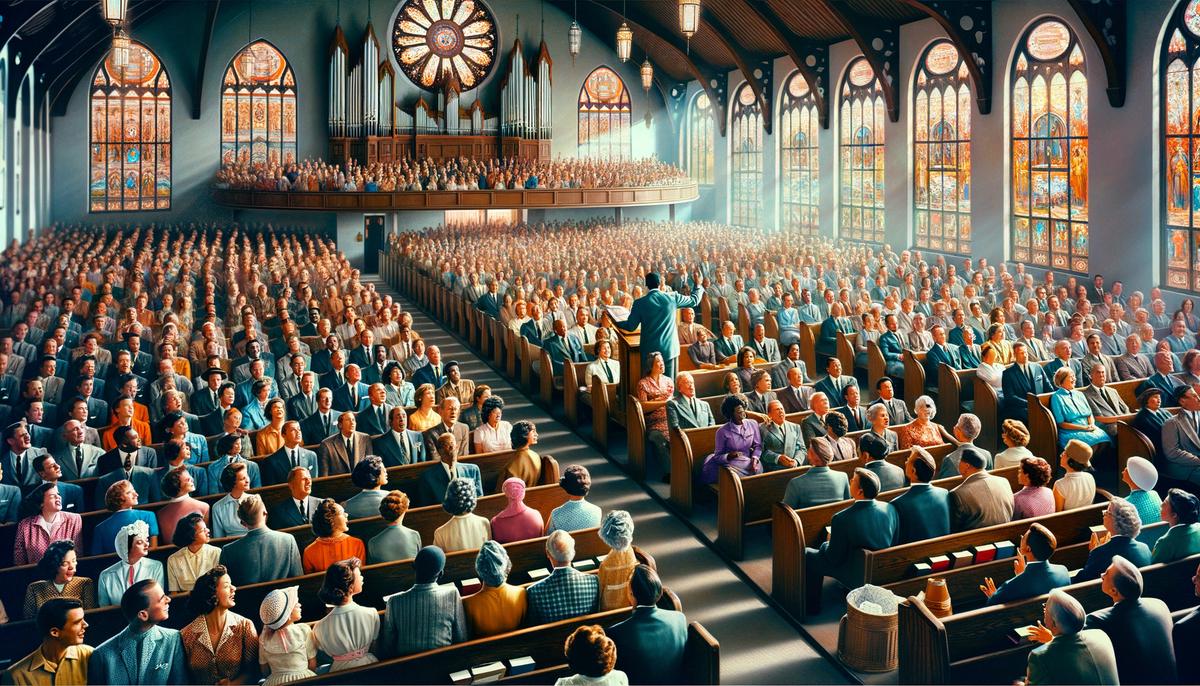
Religion in the 1950s was ever-present and a part of daily life. Nearly half the population gathered every Sunday under the grand arches of churches, all singing hymns that united communities. Going to church was just as much a tradition as slicing into a Sunday pie, bringing families together in soul and spirit.
The church wasn't just a place of worship; it was the bustling center of community life. From Sunday School to church picnics, folks seemed to find both solace and celebration within those walls.
But it wasn't all smooth sailing. Tensions brewed between Protestant and Catholic communities. Debates and disagreements flared over school funding and birth control, adding a hint of spice to the spiritual stew of the era.
While organized religion was prominent, intriguing undercurrents began to flow through the spiritual marketplace. Zen Buddhism, beat poets, and the mystique of flying saucers all started to catch curious eyes, as people sought alternative paths to enlightenment.
Fast forward to today, and the spiritual landscape feels quite different. While religion still holds sway, the prominence of mega-churches and online sermons has reshuffled the playing field. Yet, the heart of religion—the yearning for connection, meaning, and community—remains much the same, just in a digital avatar with a contemporary playlist.
Discipline and Social Norms
Discipline and conformity in the 1950s were ever-present. Society was like clockwork machinery, where every cog was expected to fall in line and tick along harmoniously. The era's social norms were like a set of unwritten rules etched into the cultural fabric.
Gender roles were clear-cut. Men were the breadwinners, while women managed the household. Housewives were the unsung heroes, embodying grace under the weight of spotless homes and spirited children.
We must acknowledge racial segregation. It was a time when "separate but equal" was touted but hardly realized, with racial divides deeply entrenched. Despite this, the courageous efforts of trailblazers began to sketch a brighter future, laying the groundwork for a civil rights movement.
And then there was McCarthyism, creating a climate of suspicion. The hunt for communism became an American pastime, turning neighbor against neighbor. Not to worry, though. Even amidst the fracas, backyard barbecues remained a fiercely guarded sanctuary.
Conformity was the mantra, and deviating from the norm was unwelcome. Yet, as history has shown us, there is charm in conformity and wisdom in the eventual realization of individuality's value.
Today, we celebrate diversity, experimentation, and curiosity. Yet, as the stories of yesteryear are shared, the 1950s hold a myriad of life lessons. It was a decade of gentle restraint—a bygone era of structure and order that still manages to stir our thoughts.
Cultural Rebellion and Change
As we dig a little deeper into the 1950s, we'll find the first buds of cultural rebellion peeping through the cracks of that tidy, white-picket-fence world. The stage was set, and the winds of change were blowing.
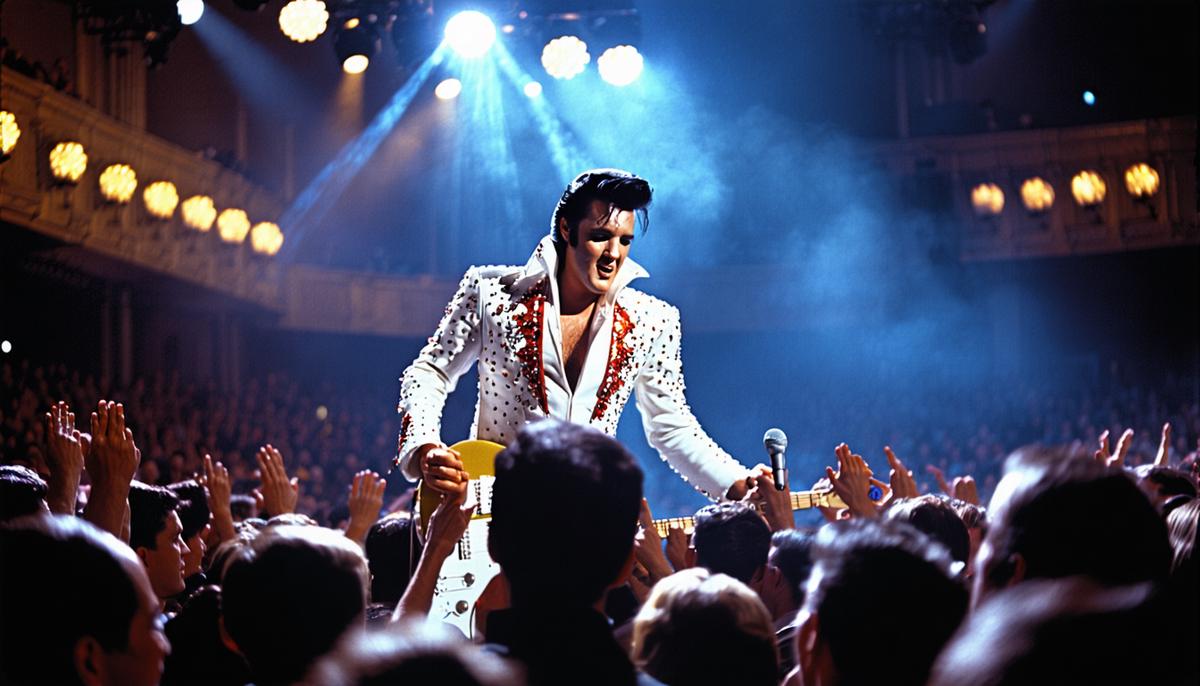
Music was the siren call that first whispered rebellion to a burgeoning generation. The unmistakable twang of rock 'n' roll slipping from a crackling car radio could give anyone goosebumps. Elvis Presley, hips swinging and guitar strumming, shook things up. Across the nation, the youth found their anthem in songs that defied tradition.
In smoky cafes and candle-lit corners, another quieter revolution was brewing: the Beat Generation. Jack Kerouac and Allen Ginsberg scribbled words that roared through the silence. Their quest for authenticity sparked dreams of an uncharted path untethered from society's expectations.
The civil rights movement was starting to rise. The courage of men and women standing up against racial segregation was the bravest tune of rebellion. Moments like Rosa Parks refusing to give up her seat on a Montgomery bus made people sit up and take notice.
These trailblazers planted the seeds for change that would blossom through the next decade. It wasn't about shedding the past entirely—it was about painting a vivid future on the canvas already stretched by those who came before.
Though memory sometimes views the 1950s as a neatly pressed suit in black and white, there were hints of color ready to burst onto the collective consciousness. Music spun on the turntable of change, stories spilled from the pens of dreamers, and hope rose from the ashes of conformity.
Comparison with Contemporary Norms
Fast forward to today, and it's clear that the world we groove in looks quite different from the 1950s. We've swapped soda fountains for frappuccinos and scribbled notes for text messages.
Back then, society was more structured, with well-defined roles. People saw life as a collective quilt, where each stitch connected you to your neighbor and your community. Today, we're more like individual squares in a patchwork: vibrant, unique, and sometimes complicated. We're more attuned to self-expression, celebrating creativity and cultural diversity.
While 1950s social norms were rigid, today's norms are more flexible. The bygone days of strict roles have made way for a spectrum of possibilities, embracing diversity and inclusivity in all shapes and stories.
Sure, family gatherings may not involve hauling kids into a station wagon for Sunday service, but technology has brought new ways of connection. Social media allows us to reach out with a click, sharing experiences across continents faster than ever before.
But nostalgia sneaks in at unexpected times. There remains a yearning for the simplicity and communal spirit of the 1950s, those pie-sharing, story-swapping days where each person was a thread in a broader social fabric.
Today, we can see echoes of 1950s community spirit in events like farmer's markets and block parties. While we embrace liberty and the liberty to be different, there's a warming thrill in seeing people rally under a common cause.
The melody of contemporary society dances between individualism and collective harmony—a symphony that acknowledges both the past we treasure and the progressive notes we pen for the future. As we look forward, it's clear that while much has changed, certain things remain: the desire for connection, the quest for fulfillment, and the hope that we can find a balance between past charm and future innovation.
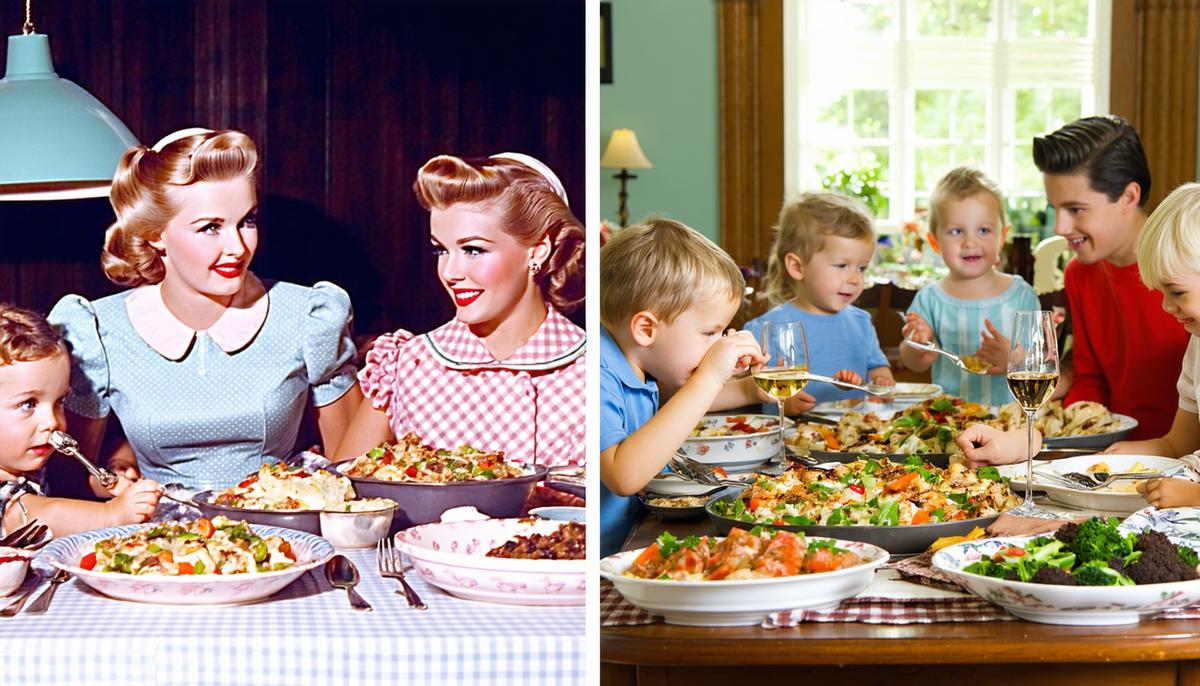
The 1950s, with its focus on community spirit and shared experiences, reminds us of the enduring value of connection and togetherness. Even as we deal with modern life, these timeless principles continue to resonate, offering a comforting reminder of the warmth and unity that defined an unforgettable decade.
- Ellwood R. The Fifties Spiritual Marketplace: American Religion in a Decade of Conflict. Rutgers University Press; 1997.
- Ahlstrom S. A Religious History of the American People. Yale University Press; 1972.
- Herberg W. Protestant–Catholic–Jew: An Essay in American Religious Sociology. Doubleday; 1955.
- Hudnut-Beumler J. Looking for God in the Suburbs: The Religion of the American Dream and Its Critics, 1945-1965. Rutgers University Press; 1994.
- Kelley D. Why Conservative Churches are Growing. Harper & Row; 1972.