
The 1950s were marked by charming customs that might seem quaint today but held their own special allure. These practices added a dash of sophistication to daily life, making everyday gestures carry a touch of elegance and grace.
1. Handwritten Thank You Notes
In the 1950s, handwritten thank-you notes were the go-to way to show gratitude. After receiving a gift or attending an event, you’d sit down with pen and paper to craft a personal message. Today, emails and texts have taken over, but there’s still charm in thinking about those carefully written notes. They show a time when expressing thanks wasn’t just quick, but an art form that took some effort.
2. Dressing Up for Dinner
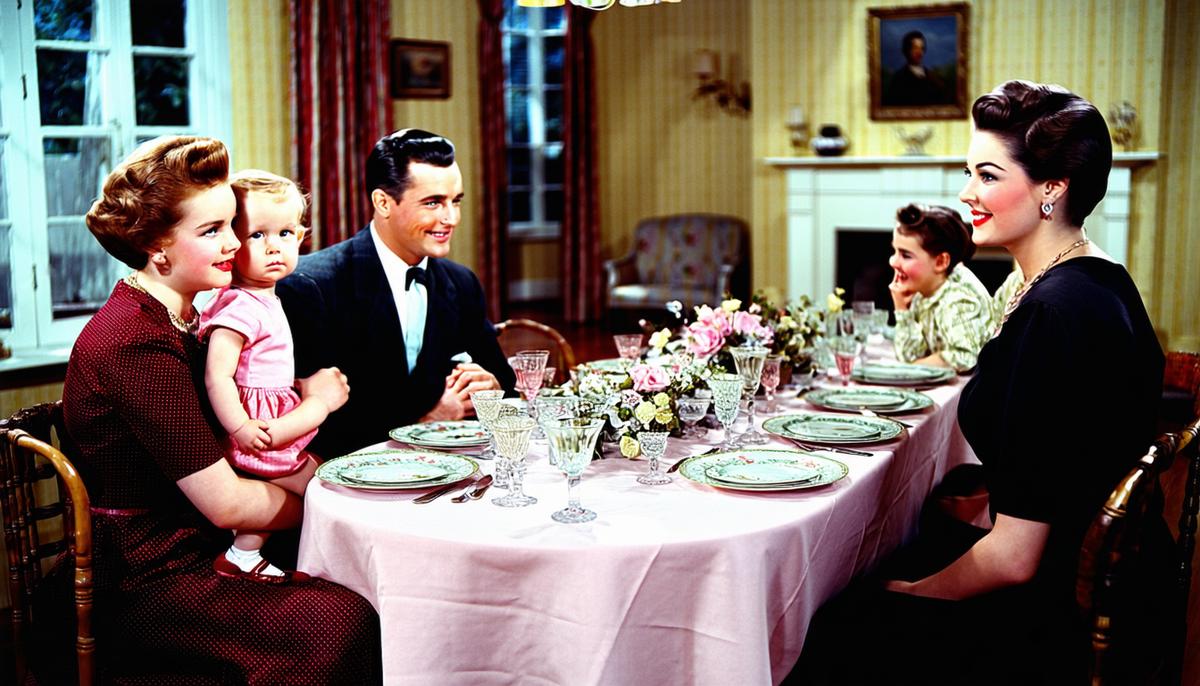
Picture a typical 1950s evening: the family gathers for dinner, but not before changing into their best outfits. Even for a simple meal like meatloaf, everyone dressed up as if heading to a fancy event. The idea was to make dinner special, worthy of fine attire. Nowadays, we’re more likely to eat in whatever we’ve been wearing all day. But there’s something nice about the old way of celebrating each other’s company in style, turning an average evening into a cherished memory.
3. Letting Men Order for Women
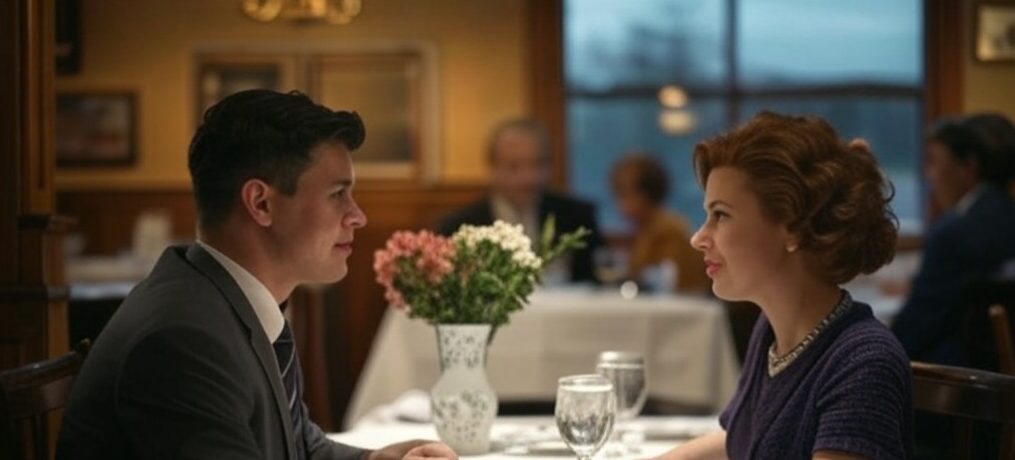
Back then, dining out often meant the gentleman would order for his date. Picture the scene: dim lighting, clinking cutlery, and a suave guy confidently selecting meals for two. His date would smile, maybe relieved about avoiding pronunciation mishaps. Today, this might raise eyebrows. We now value personal choice, seeing menu browsing as part of the fun. Still, it’s a reminder of how social norms have changed, moving towards celebrating independence—one meal choice at a time.
4. Men Always Paying the Bill
In the 1950s, men paying for dinner was as expected as the meatloaf being tasty. It was a gesture that said, “I’ve got this.” Today, that seems old-fashioned. Now, many couples split the check or take turns paying. It’s less about who’s got the deepest pockets and more about enjoying time together. There’s a modern charm in this equality, where paying is something partners share. The focus is on creating memories, not who picks up the tab.
5. Warding Off Puddles (Pavement Etiquette)
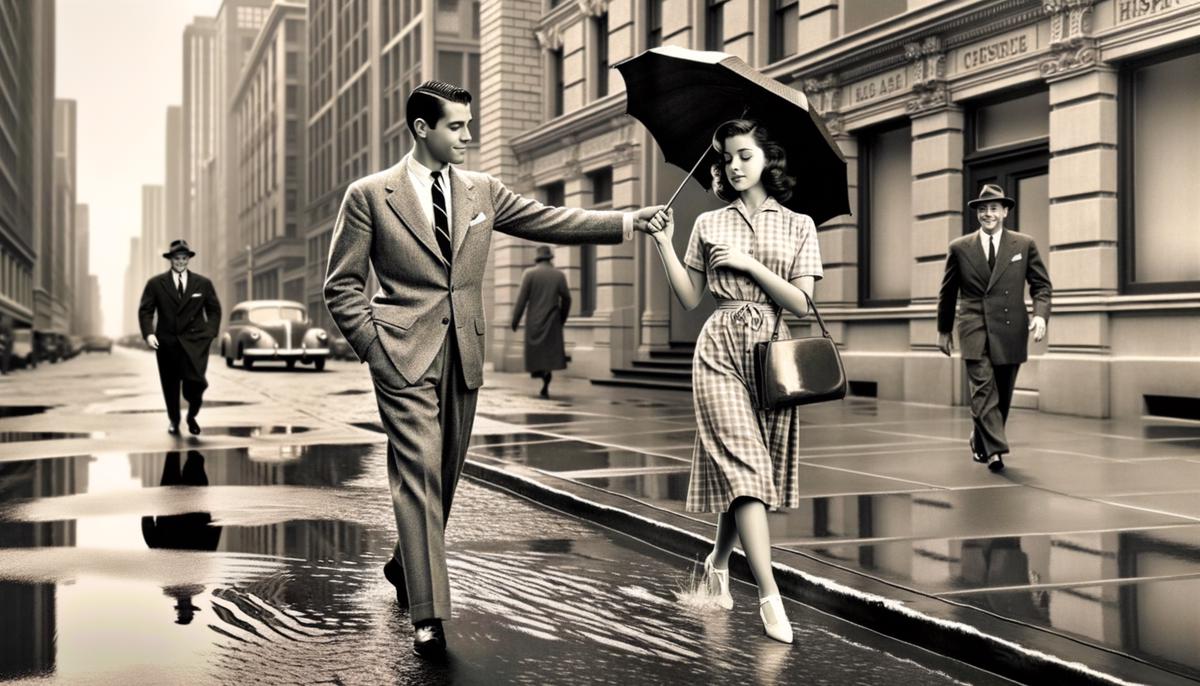
Picture a 1950s gent walking on the curbside to protect his lady from splashes. It was a small act that showed care and respect, making a casual stroll feel like a movie scene. Today, we might not worry as much about puddles, but there’s still charm in keeping this tradition alive. It’s a throwback to a time when such acts were part of everyday romance. Even if you’re just heading to a coffee shop, these little gestures can keep a touch of old-school flair in our modern world.
6. No Talking Money
In the 1950s, discussing finances in social settings was a big no-no. Money talk was kept behind closed doors, emphasizing discretion and social grace. Fast forward to now, and things have changed. Younger folks are more open about money matters, from student loans to budgeting tips. This shift is reshaping how we connect, encouraging helpful conversations. It’s like mixing the polite charm of the past with today’s need for openness.
7. An Introductory Kiss on the Hand
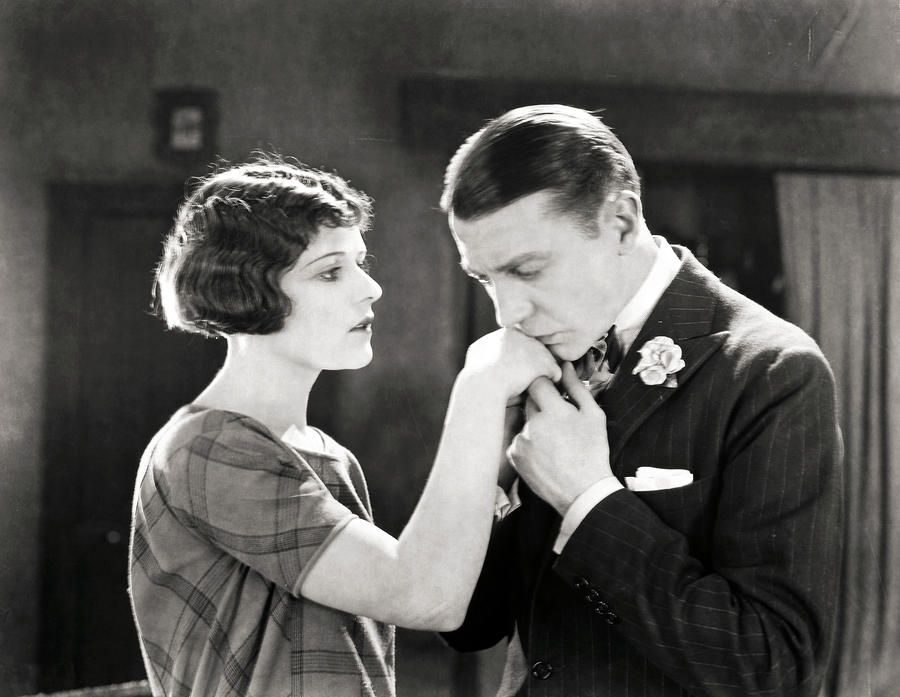
The hand kiss was a classic 1950s greeting. It was a smooth blend of formality and warmth—a way to make someone feel special when meeting. Think of it: a slight bow, a gentle grasp of fingers, and a soft kiss on the knuckles. While it might seem over-the-top now, back then it set the stage for pleasant conversation. Today, you might rarely see it, but when you do, it’s like stepping into an old movie scene. It’s a fun reminder of a time when charm was king in social situations.
Looking back at these old traditions, we can see how they made everyday moments feel special. While times have changed, there’s still value in celebrating life’s simple pleasures—a reminder that sometimes, it’s the little things that stick with us.
- Langford J. Modern etiquette: What you need to know. Ask April. 2021.
- Liebman J. The importance of thank-you emails after job interviews. Business Insider. 2019.
- Masini A. RSVP etiquette in the digital age. Ask April. 2020.
- Hart A. Going to Live in France. Vacation Work Publications; 2006.
- National Center for Biotechnology Information. Patient preferences for physician characteristics in university-based primary care clinics. 1992.