
10. Dressing for Dinner
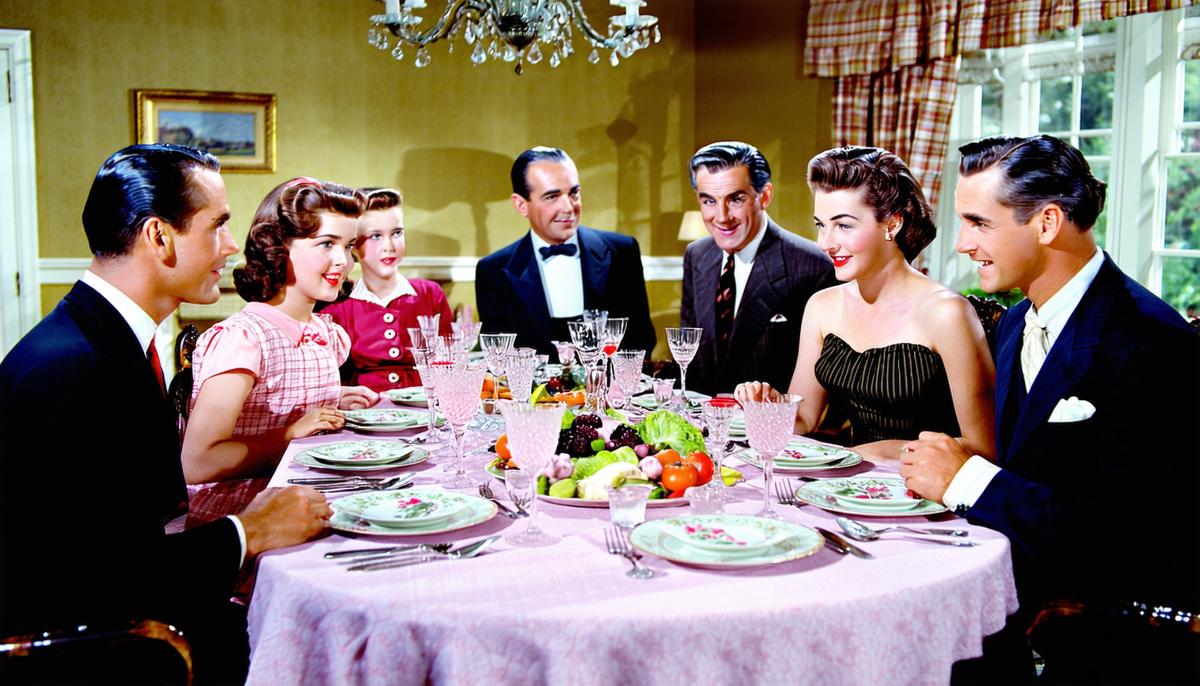
Dinner in the 1950s was an event. Families gathered around the table, dressing up as part of the ritual. Ladies wore lovely dresses, often ones they'd wear to church—flowing skirts and tidy blouses. Men put on crisp shirts and slacks, ironed to perfection.
Kids scrubbed up and had their hair neatly combed, while parents ensured they looked their best. Clothes reflected respect for the company, even if it was the same folks you saw every day.
This tradition carried an unspoken message of family unity. The food was hot, the table set, and everyone engaged in genuine conversation. It was about showing love by putting effort into looking and acting your best. Though casual wear dominates dinner tables today, bringing a touch of that formality into modern meals could be a nice throwback to simpler times.
9. Write Thank You Letters
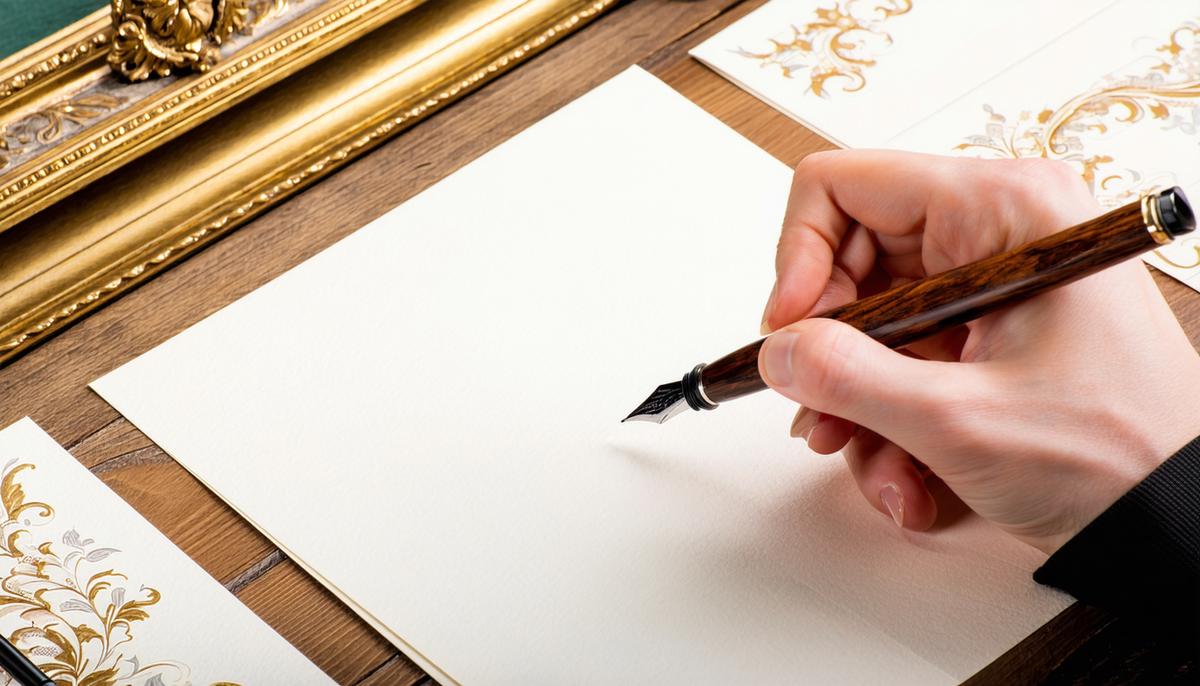
In the 1950s, expressing gratitude involved pen, paper, and a little bit of heart. Handwritten thank-you notes were an art form, carefully crafted to convey earnest thanks for everything from dinner parties to wedding gifts.
Children learned the nuances of writing these notes at a young age, ensuring their script was neat and their words heartfelt. The act of sitting down to craft each note celebrated connection and sincerity.
Today, a handwritten thank-you note stands out. It tells the recipient that they're worth more than a quick click. It's a small gesture with a big impact, a vintage tradition that's both classy and timeless. Reviving the thank-you note could bring back a touch of the thoughtful, polite interactions that marked the 1950s.
8. Be Punctual
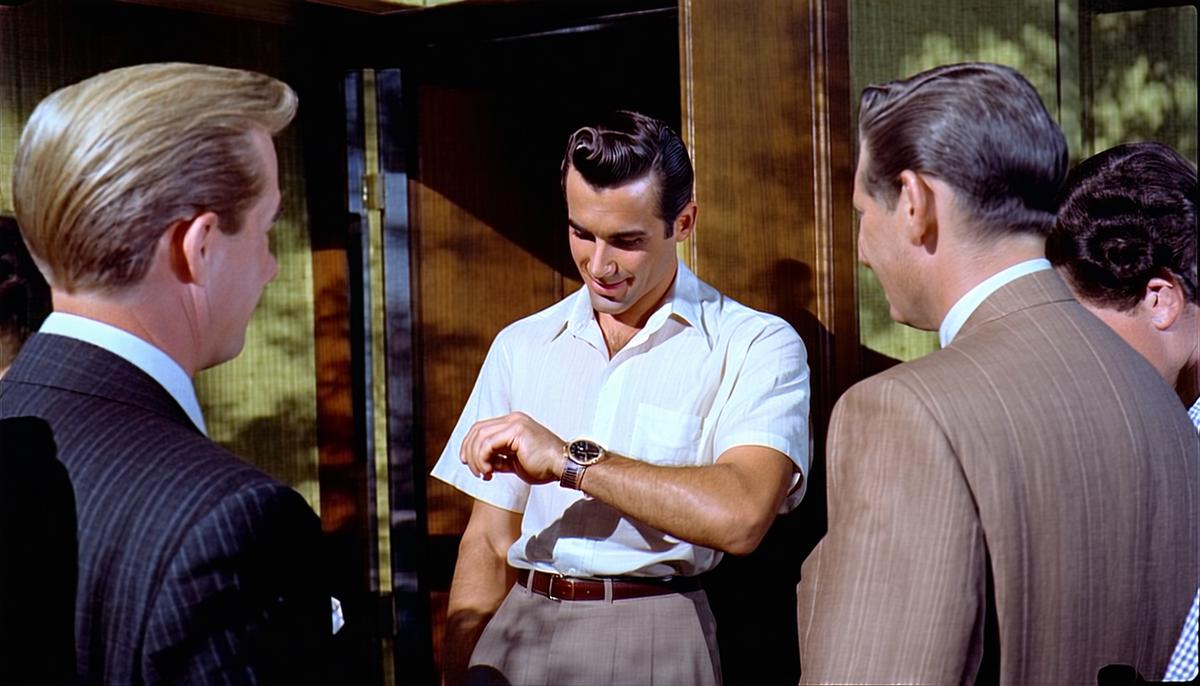
In the 1950s, showing up on time was a way to show you valued others' time as much as your own. Punctuality was more than just a habit; it was a sign of responsibility and respect.
Being on time meant you didn't miss out on life's important moments, whether it was a dinner party, a meeting, or a simple coffee date. It was a statement of reliability and implied you were someone who could be counted on.
"There was no such thing as 'Fashionably Late'. If you were late, you were considered rude. You would finish eating alone with the house staff, and be able to join everyone else when the guests who weren't late, were finished."
Modern technology, with its infinite alarms and reminders, sometimes makes us less mindful of time. Perhaps it's time to turn back the clock to when people relied on their internal sense of responsibility. Being punctual is an ageless courtesy that can smooth out the rough edges of our busy modern schedules.
7. Stand When Adults Enter the Room
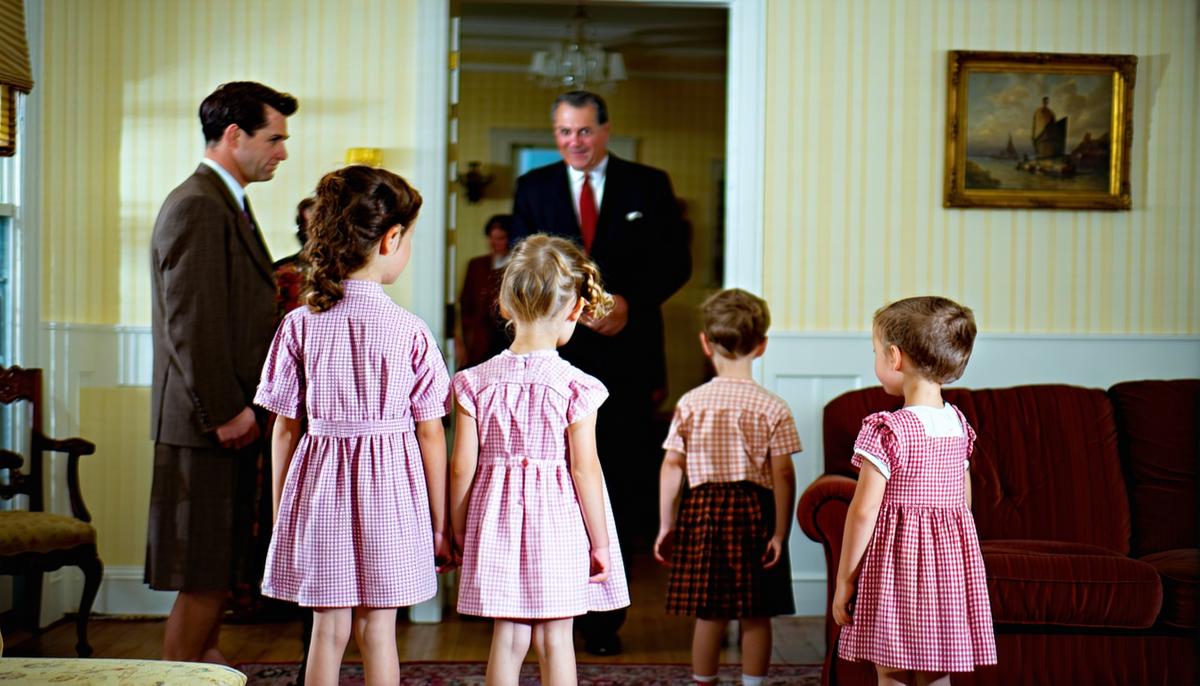
In the 1950s, standing up when an adult entered the room was a silent show of respect. Kids would spring to their feet when an adult stepped over the threshold, acknowledging their presence and authority.
This gesture wasn't just about being polite; it recognized the experience and wisdom of elders. It was also a way to earn parental approval, often inviting a nod or smile in return.
In today's world of informal interactions, the art of standing might seem outdated. However, rediscovering this simple courtesy could add a touch of traditional charm to our fast-paced lives. It's a small gesture that costs nothing but can mean a lot, showing appreciation in a tangible way.
6. Offer Your Seat
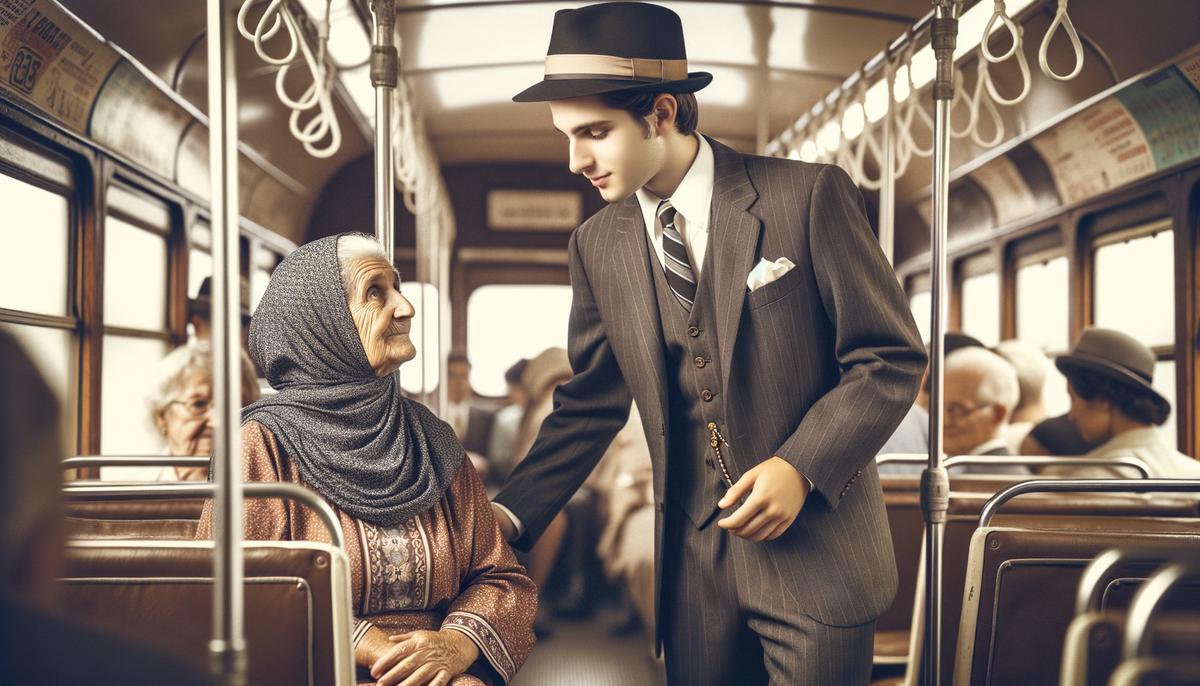
In the 1950s, offering your seat on public transport was common courtesy. Young folks would readily give up their spot for elderly passengers or ladies without a second thought.
Today, while our modes of transportation have changed, the kindness of offering a seat remains meaningful. It's a small act that can brighten someone's day and bring a bit of humanity to our commutes.
This practice serves as a reminder that true courtesy is about noticing those around you and extending a helping hand—or in this case, a seat. Bringing a touch of 1950s civility to our contemporary lives doesn't just honor the past; it enriches our shared experiences in the present.
5. Say 'Please' and 'Thank You'
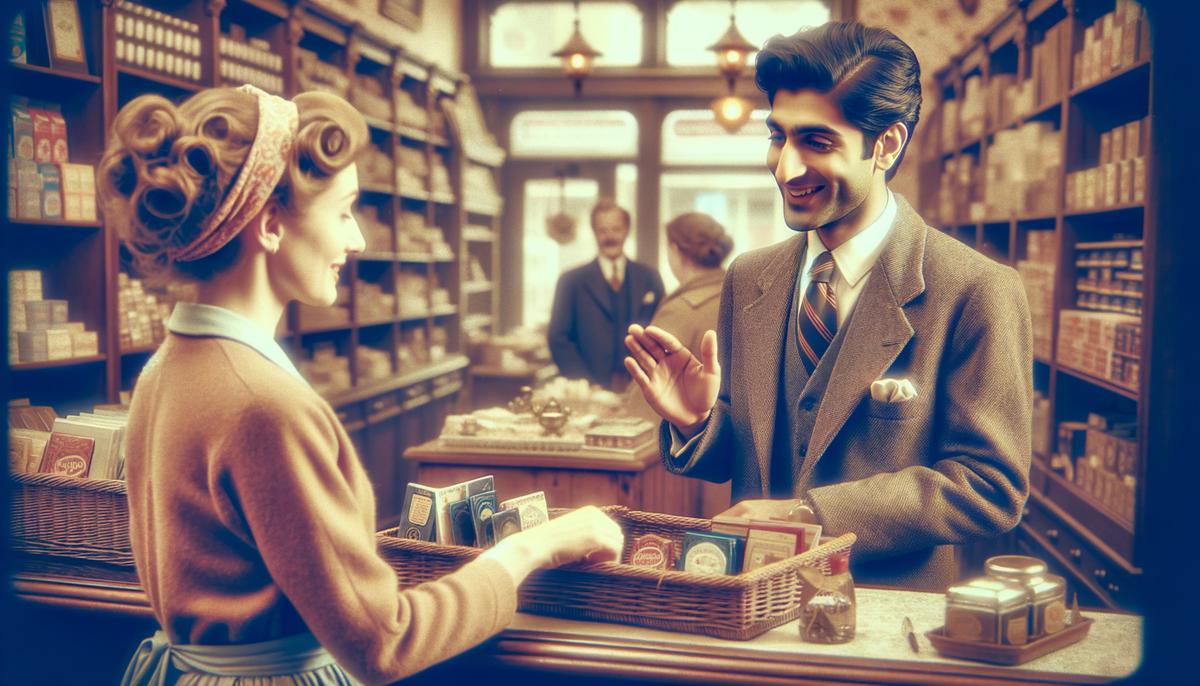
In the 1950s, 'please' and 'thank you' were essential parts of everyday conversation. These words weren't just for kids at the candy counter; adults used them regularly too, no matter how big or small the interaction.
While these phrases might seem old-fashioned in today's fast-paced world, their power is timeless. Using 'please' and 'thank you' can turn routine exchanges into moments of connection, adding a touch of warmth to our daily interactions.
Bringing back the regular use of these words is like rediscovering a classic hit. It's a simple habit that could foster more kindness in our communities. After all, in a world driven by efficiency, a little politeness goes a long way.
4. Hold Open the Door
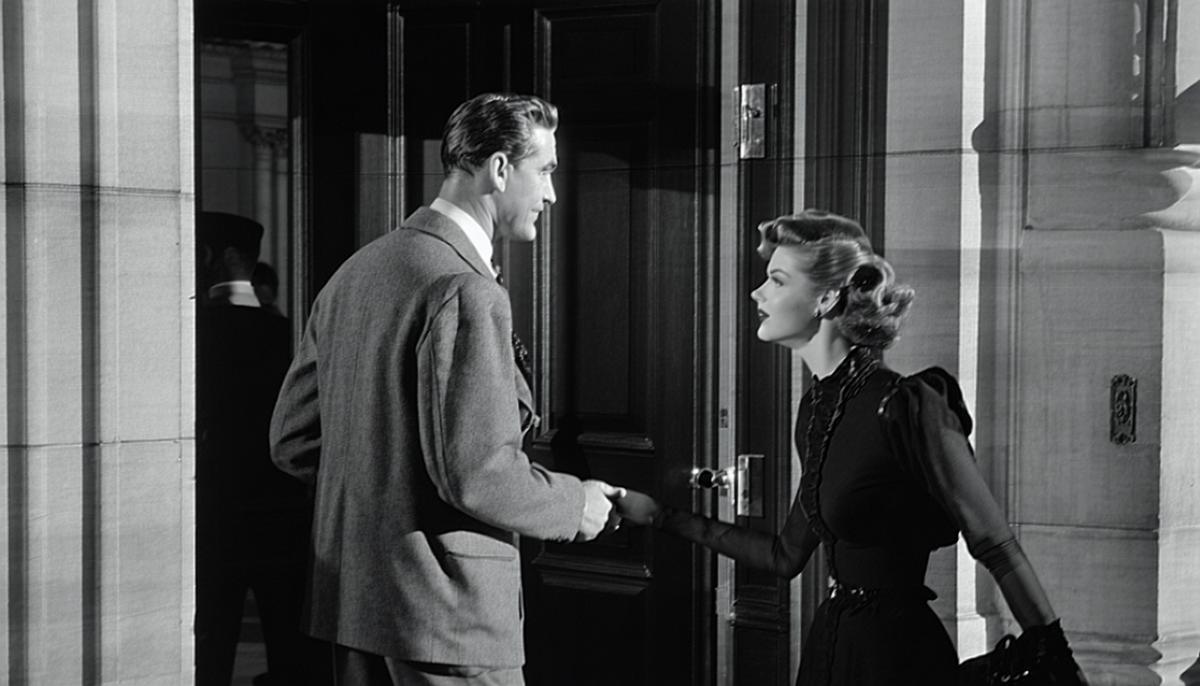
In the 1950s, holding the door open was a common courtesy that reflected the polite society of the time. This small act created brief moments of connection between strangers, adding a sprinkle of kindness to everyday life.
Fast forward to today, and while automatic doors are common, the essence of this gesture remains meaningful. In our often rushed world, taking a moment to hold the door for someone is a refreshing reminder of consideration for others.
Why not keep this delightful tradition alive? It's a simple way to bring a touch of mid-century charm into our modern routines. Next time you're entering a building, consider pausing to hold the door for the person behind you—it might just brighten both your days.
3. Avoid Public Displays of Makeup
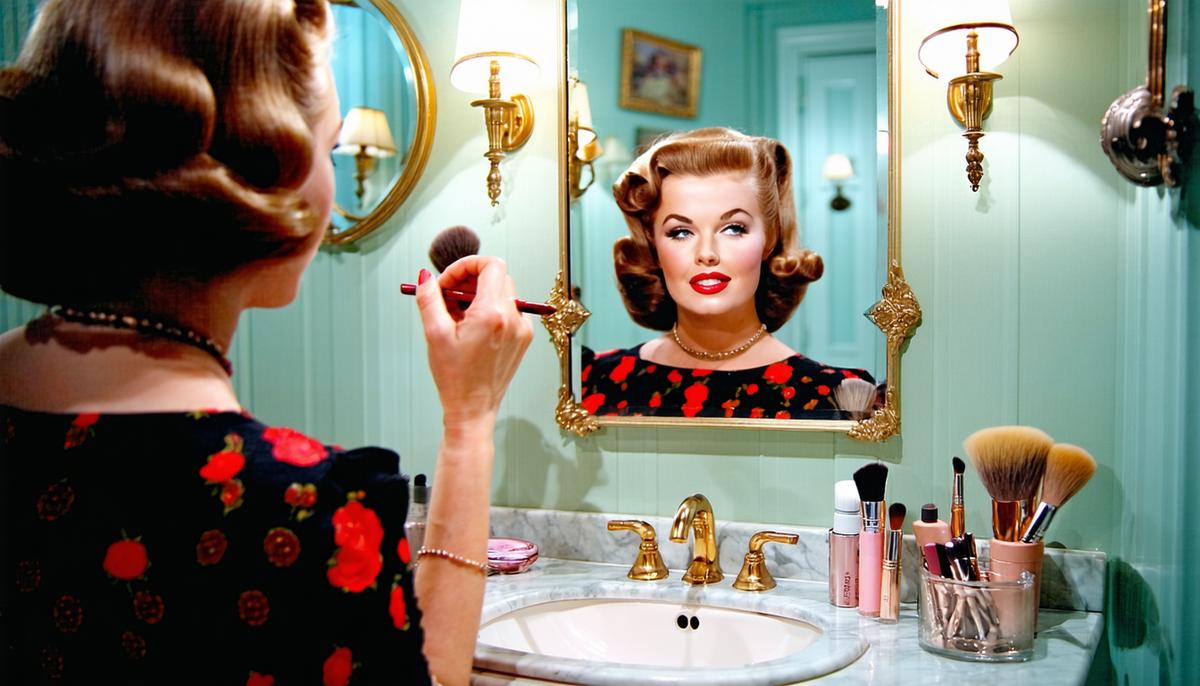
In the 1950s, makeup application was a private affair. Powder rooms weren't just fancy bathroom signs—they were sanctuaries where women performed their beauty routines away from prying eyes. This approach added an element of mystery to social interactions.
A lady would step into a powder room with a plain face and emerge moments later, looking polished and elegant. The transformation happened behind closed doors, leaving others to wonder about the magic that took place. It was all about the end result, with no hints given as to how that makeover happened.
Today, makeup application has become more public, with tutorials and reviews shared widely online. While there's nothing wrong with this openness, there's a certain appeal to keeping some things private. Reviving the 1950s tradition of discreet makeup application can add a bit of intrigue to our modern routines. Instead of touching up lipstick on the subway or applying mascara in the office lobby, why not step back into the artful privacy that turns an everyday routine into a personal ritual?
"Don't use his handkerchief to smudge your lipstick." Women were to NEVER apply or remove makeup in front of men. Makeup was meant to be private. He was supposed to be surprised when you came out of the "powder room."
2. Proper Introductions
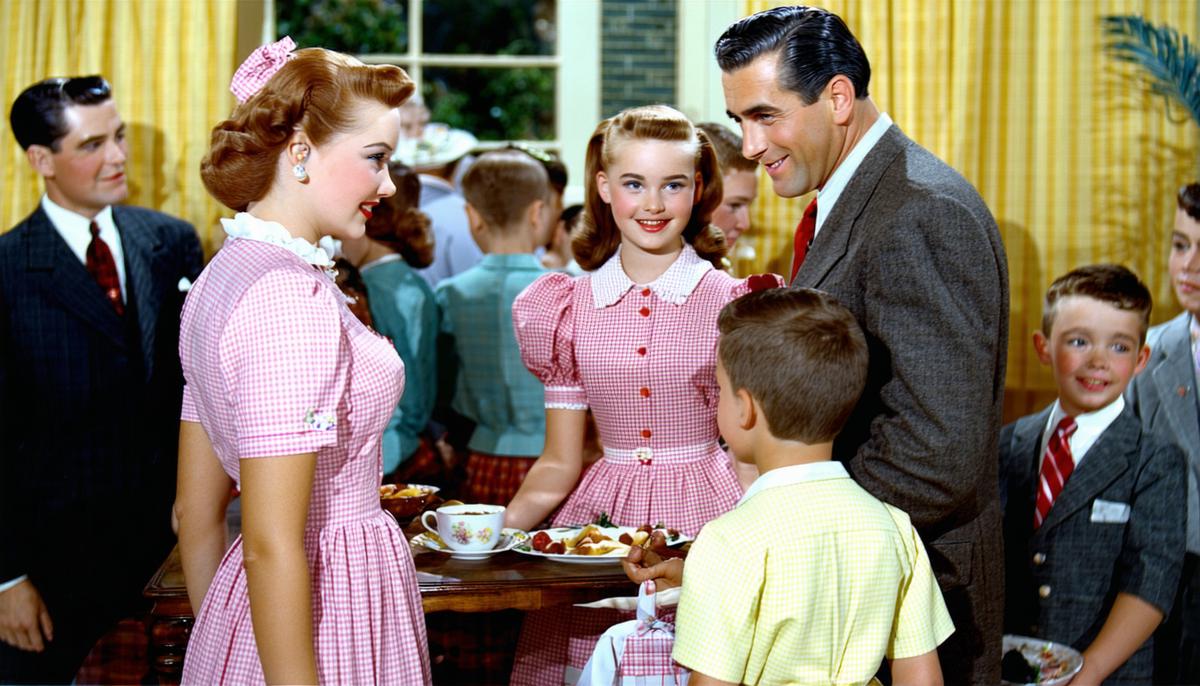
In the 1950s, making proper introductions was an important social skill. The protocol was clear: introduce men to women and younger folks to their elders. A well-versed introduction would sound something like, "Mrs. Johnson, this is young Timmy from down the street," rather than the other way around.
This structured approach to introductions set the right tone for conversations and showed respect for social standing. Every new acquaintance was initiated with an air of courtesy, leading to interactions that started off on the right foot.
In today's world of casual hellos, the structured elegance of 1950s introductions can feel refreshing. Embracing this old-world charm in our modern social circles can be as simple as slowing down and adding a touch more formality to how we introduce people. It might just be the secret ingredient to fostering more graceful connections.
Rules for Introductions:
- Introduce men and boys to women and girls
- Introduce younger people to older people
- Say the name of the "socially superior" person first
1. Walk Curbside with a Lady
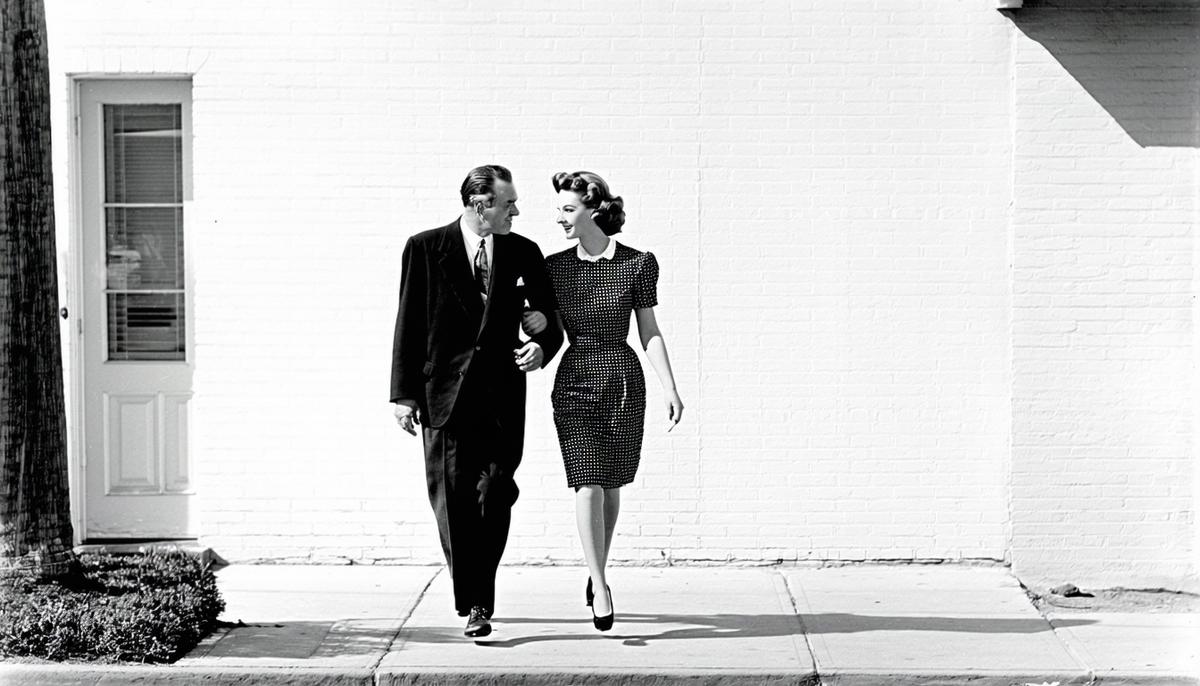
In the 1950s, a gentleman walking on the road side of the sidewalk was a common gesture of chivalry. This simple act showed care and protection, positioning the man between his companion and the traffic.
Picture an evening stroll after dinner, with the city buzzing around you. A gentleman subtly shifts to walk closer to the curb, not just to shield his companion from puddle splashes, but as a declaration of respect and thoughtfulness.
While gender roles have evolved, the core value of looking out for others hasn't changed. Walking curbside with a partner or friend is a small but significant nod to traditions that celebrated caring for one another. It's a touch of classic elegance that can easily be brought into our modern routines, showing that considerate companionship never goes out of style.
"The gentleman always walked on the road side of the sidewalk – to protect the lady or ladies from passing traffic."
These 1950s traditions remind us that small gestures of courtesy can bring warmth to our daily interactions, even in today's fast-paced world.