
In the 1950s, television wasn't just a source of entertainment; it was a family affair, bringing households together in a shared experience. Shows like "I Love Lucy" became weekly events that captured the spirit of the times, weaving humor and relatability into everyday life. The charm of Lucy and Ricky's antics offered a glimpse into a world where laughter was the best medicine, creating connections that transcended generations.
The Cultural Impact of 'I Love Lucy'
"I Love Lucy" wasn't just a show; it was a weekly family ritual, etched into the routines of folks everywhere. Lucille Ball and Desi Arnaz created magic on the screen, turning even the simplest marital spats into timeless comedy gold.
The moment that theme song began, you could hear the whole household quiet down. Lucy's antics were a whirlwind of laughter—always getting into some kind of jam but with such lovable charm, it felt like watching your best friend stumble through life's little messes.
Lucy's influence shaped not just how we laughed but how we lived. The Ricardos' antics turned into a mirror reflecting our own dynamics. We saw bits of our own families in Fred and Ethel's squabbles or Ricky's exasperated sighs.
When Lucy and Ricky welcomed Little Ricky, it was more than just a plot twist; it was a national event! "Baby Ricky" became everyone's child, creating a common bond among viewers—more people watched that episode than the inauguration of a president.
Lucy became the poster girl for the '50s domestic dream. Here was a housewife with dreams too grand and schemes too wide, yet somehow they resonated. She was relatable; her life mirrored our own, just with a bit more flair.
The impact of "I Love Lucy" rippled beyond punchlines. It set the bar for sitcoms, introduced the live studio audience format, and rerun syndication, leaving an indelible mark on television history. Decades later, Lucy's lessons linger, and her laughter continues to light up screens, reminding us why a little humor goes a long way.
Family Gatherings Around the TV
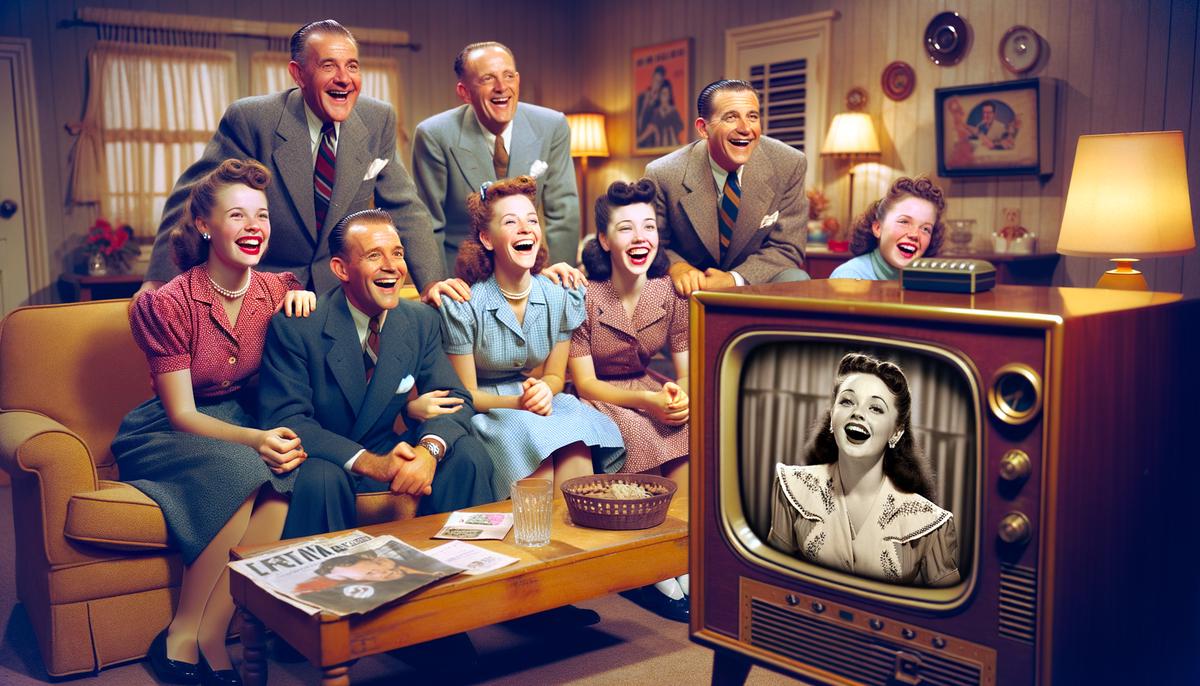
The tradition of gathering around the TV was practically an unspoken rule in households back in the 1950s. The magic box was more than just an entertainment source; it was an invitation for family bonding. Imagine the smell of freshly popped popcorn and mom's lemonade waiting on the table as everyone settled in, eyes peeled on the flickering screen that brought Lucy's world to life.
Having a TV set was the ultimate status symbol, much like owning the first car in your neighborhood. As the little RCA Victor hummed to life, it brought with it the warm embrace of routine—a weekly family ritual no one dared to miss. Kids would scramble to finish homework, and parents would race to do the dishes, all to ensure they were seated just in time for the iconic opening theme.
Lucy and Ricky's New York City apartment felt like a home away from home. The Ricardos and the Mertzes felt like family friends, ones whose ups and downs we experienced right alongside. Every comical mishap was met with collective giggles, while moments like Ricky's "Lucy, you've got some 'splaining to do" became rallying cries around countless dining tables.
As episodes replayed, these family moments stuck, interwoven into domestic life. The banter about Lucy's latest escapade would spark post-episode discussions, debates on which part was the funniest, and even lead to impersonations of the beloved redhead at family gatherings. "I Love Lucy" was more than just a half-hour escape; it was pure family delight, inviting everyone to take part in its legacy.
The Humor and Relatability of Lucy
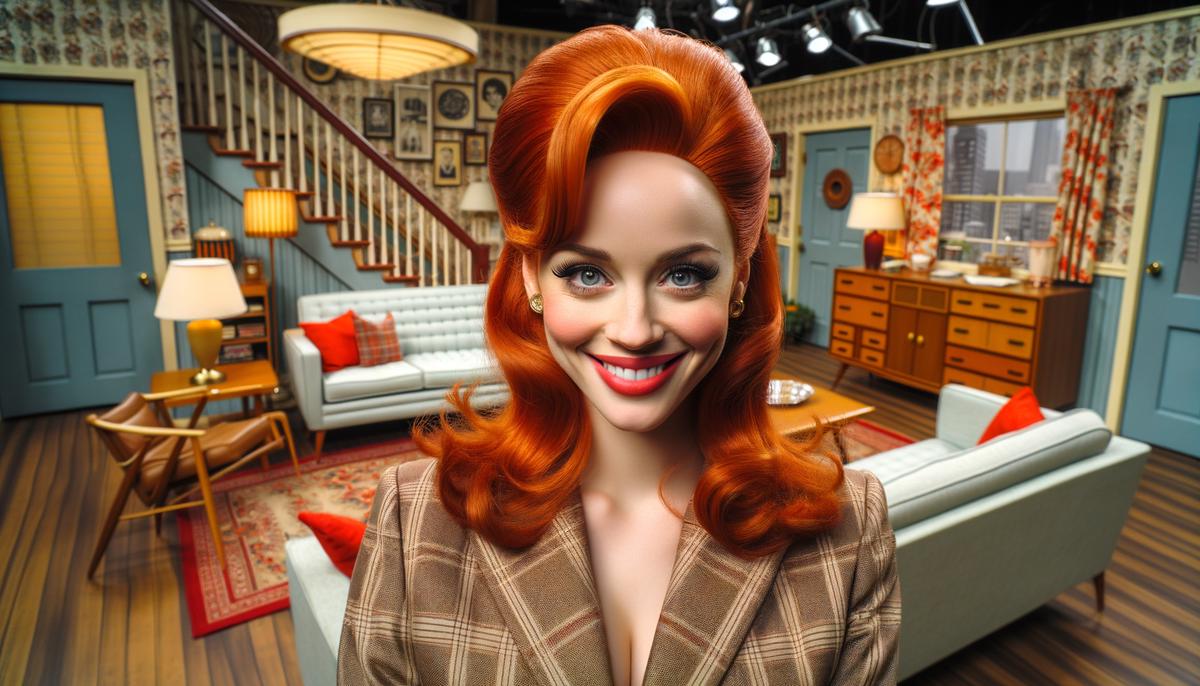
Lucy Ricardo, with her delightful mishaps and charming quirks, mastered the fine art of slapstick and shenanigans. The genius of Lucille Ball wasn't just in her clowning—it was in her ability to weave comedy with humanity, crafting a character who was as vulnerable and ambitious as the viewers tuning in each week.
Remember Lucy's attempts to break into showbiz? Whether it was disguising herself to sneak onto Ricky's nightclub stage or the infamous Vitameatavegamin episode, her escapades tickled our funny bones while gently nodding to our own dreams deferred. Who hasn't harbored delusions of grandeur, thwarted only by the occasional tumble in life's revolving door?
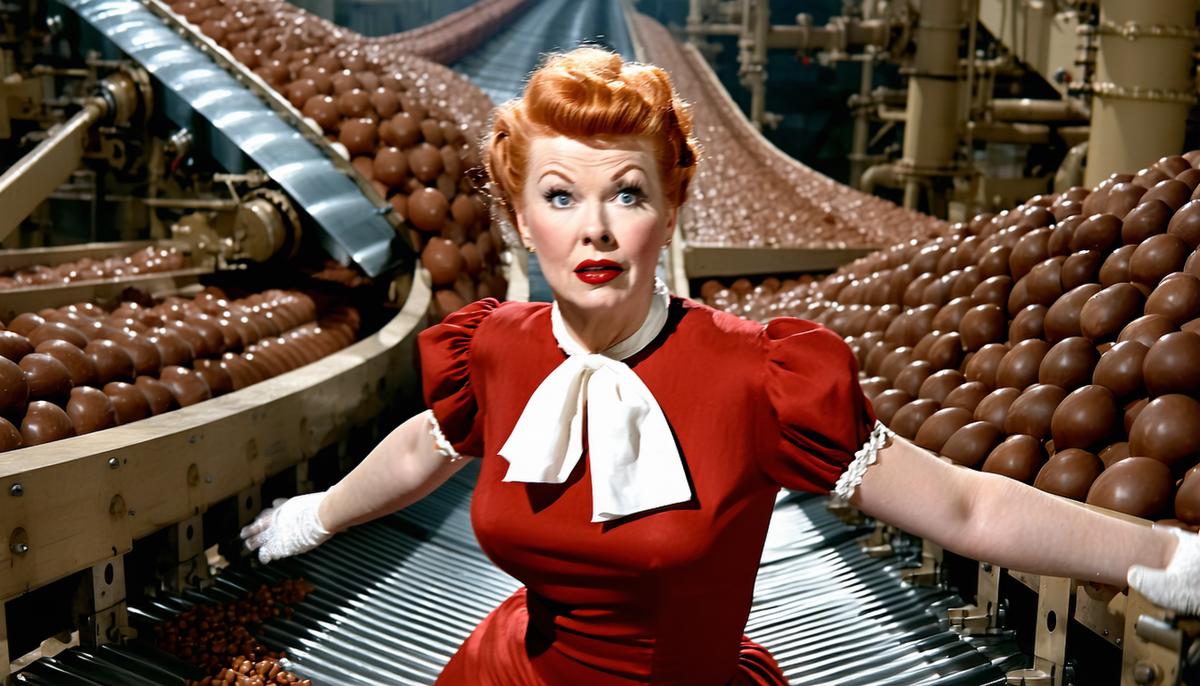
Lucy's genius lay in taking common life aspirations and infusing them with whimsical absurdity. In the chocolate factory scene, her frantic attempts to keep pace with the conveyor belt weren't just funny—they mirrored our own attempts to keep life's chaos under control. We laughed because we saw ourselves in her, battling unseen forces with little more than good humor and grit.
Each episode was a masterclass in comedic timing, with Ball wringing every ounce of humor from the simplest scenarios. Her expressions were capable of speaking volumes without uttering a single word. Remember the hilarious battle of willpower with Ethel as co-conspirators? Or her attempts to teach Cuban-born Ricky the Pledge of Allegiance? These interactions forged an on-screen friendship echoing our own treasured relationships.
Beyond the slapstick, Ball had an ability to showcase vulnerabilities, endearing her character even further. Lucy's flustered inadequacies often struck a chord with audiences, whether she was battling insecurities about her talents or concocting wild schemes to save face. We cringed at her mishaps just as we secretly rooted for her next harebrained plan to somehow succeed against all odds.
As television screens flickered with Lucy's colorful misadventures, her influence permeated American homes. Lucy reminded us that while life might not always go as planned, a little laugh could go a long way in smoothing out the rough spots. Decades may have passed, but Lucy's humor resonates even now, a testament to the laughter and levity she brought into living rooms across America.
Technical Innovations and Production
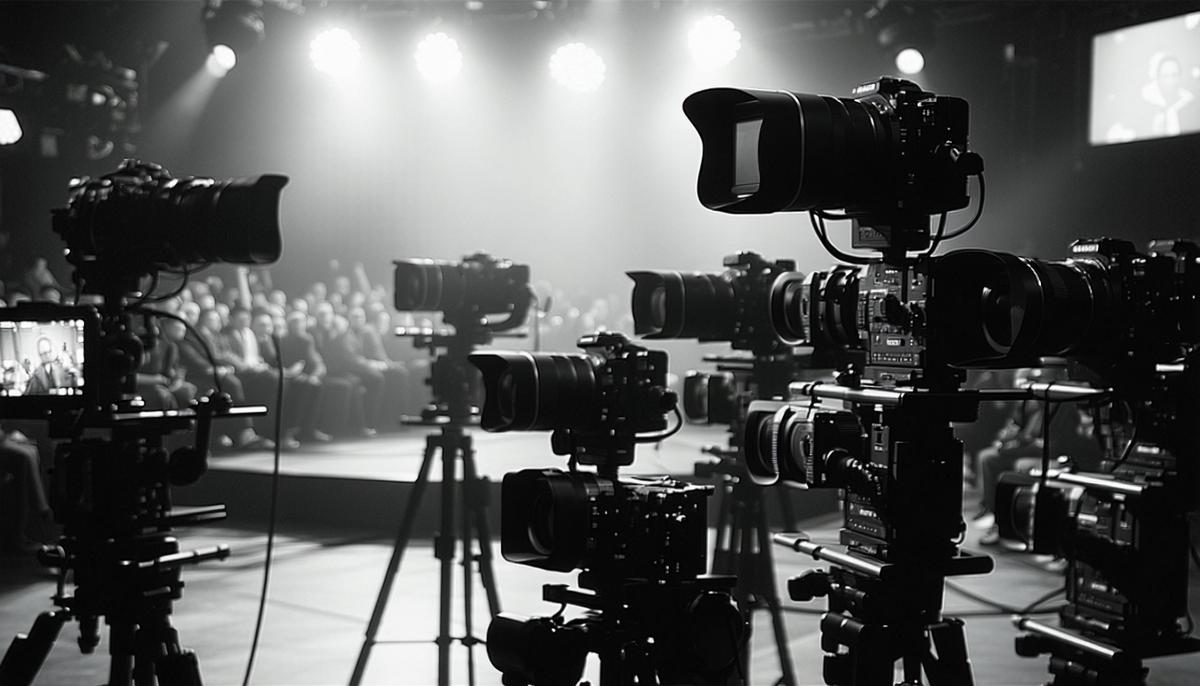
Lucy's magic wasn't limited to what played out on screen—it was deeply rooted in the technical marvels happening behind the scenes. At the heart of this technological breakthrough was the innovative use of the multi-camera setup, which allowed the show to capture its magic from multiple angles simultaneously. This technique, championed by Desi Arnaz, fundamentally changed the way sitcoms were filmed.
Before "I Love Lucy," most television comedies were shot with just one camera, akin to stage plays. But filming with a single camera often meant multiple takes for different angles, resulting in staggered pacing. By employing a three-camera technique, "I Love Lucy" preserved the immediacy and spontaneity of live theater while offering dynamic visual storytelling. Three cameras rolled simultaneously, allowing the director to capture wide and close-up shots in one go.
The show was one of the first to be filmed in front of a live studio audience, which injected a sense of excitement and energy into every episode. You could feel the room erupting in laughter as Lucy found herself knee-deep in another outrageous predicament, and that energy translated through the screen to families gathered in their living rooms.
Arnaz's insistence on filming each episode on 35mm film rather than the more typical live broadcast on kinescope recordings ensured these comic gems would be preserved for posterity. That decision paved the way for rerun syndication, allowing generations of fans to enjoy Lucy's antics long after the original airdate.
Lucy's antics, articulated through pioneering production, didn't just entertain—they forged a blueprint for future sitcom success stories. By integrating these groundbreaking techniques, "I Love Lucy" forever influenced how laughter would be captured on television. To this day, both new and experienced producers continue to draw inspiration from its forward-thinking approach.
"I Love Lucy" wasn't just a show; it was a cultural phenomenon that left a mark on television history. Its blend of humor, relatability, and technical innovation set a standard that continues to influence sitcoms today. Through its timeless appeal, Lucy's laughter still resonates, reminding us of the joy found in shared moments around the TV.
- Arnaz D. Interview. The Oregonian.
- Mitchell S. I Love Lucy. CBS Television Network; 1951-1957.