
The 1950s brought us animated characters that danced across our screens, bringing joy to living rooms everywhere. From daring mice to clever rabbits, these iconic figures became part of family traditions, weaving themselves into everyday life.
1. Mighty Mouse
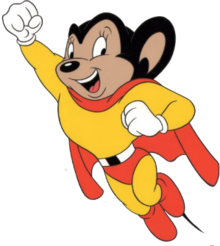
Mighty Mouse flew onto our screens as a little hero with a big voice and an even bigger heart. Originally called “Super Mouse” in 1942, he had to change his name due to comic book competition. His catchphrase, “Here I come to save the day!” became a household favorite.
When CBS took over in 1955, Mighty Mouse became a Saturday morning staple, brightening days with his heroic adventures against sneaky cats and villainous gangs. Voiced by talents like Roy Halee and Tom Morrison, this caped crusader was more than just a cartoon character; he was a symbol of bravery in a tiny package.
“The Mighty Mouse Playhouse” ran for nearly twelve years, becoming a weekend ritual for many families. His charm continues to resonate with both kids and adults, showing that no villain is a match for a mighty squeak and a mighty heart.
2. Tom and Jerry
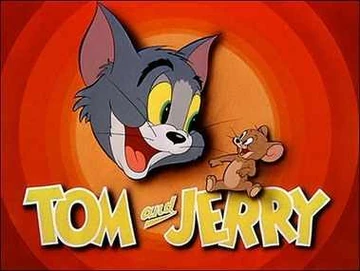
This dynamic duo has been making us laugh since 1940, thanks to William Hanna and Joseph Barbera. Tom, the ambitious cat, and Jerry, the crafty mouse, took slapstick to new heights. Their chases and gags became a household staple, bringing families together to watch Tom’s plans hilariously backfire.
In their world, anything could become a prop in their endless game of cat and mouse. With no need for dialogue, their antics spoke a universal language of comedy. By the 1950s, they had won seven Academy Awards, tying with Walt Disney’s Silly Symphonies for the most awards in their category.
Tom and Jerry smoothly transitioned from movies to TV, never losing their appeal. With the introduction of color television, their playful tussles became even more vivid and fun. Their timeless charm proves that simple mischief can create decades of laughter.
3. Bugs Bunny
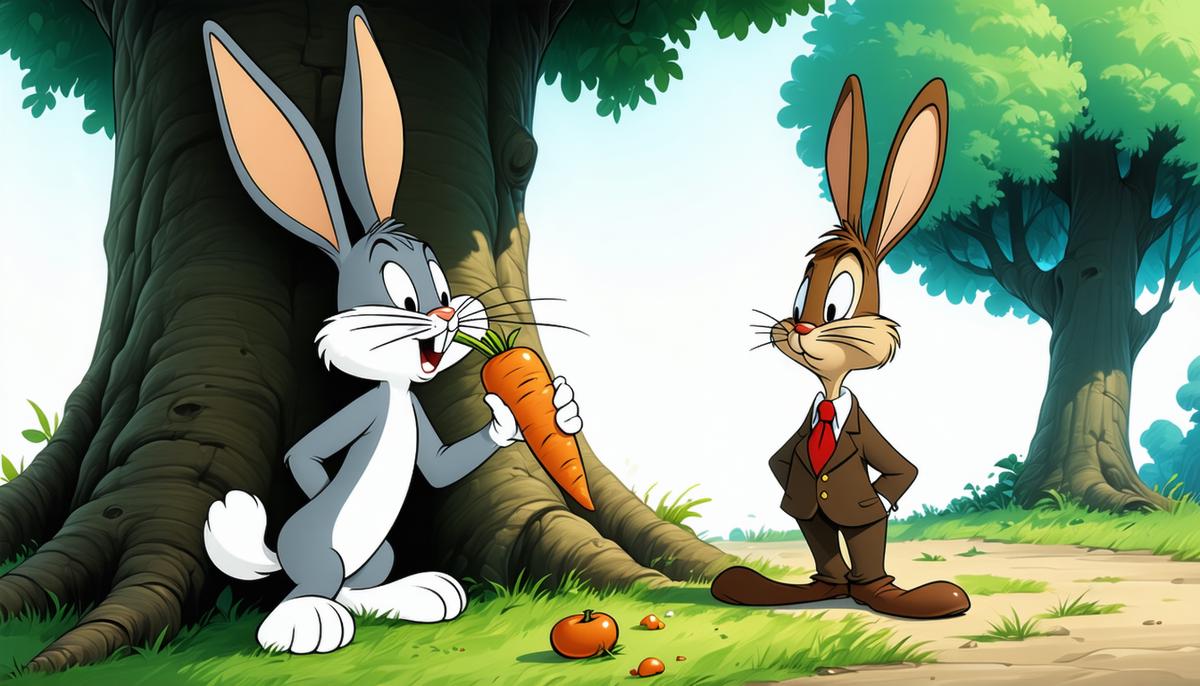
Bugs Bunny, the floppy-eared rascal who could outwit anyone with a casual “Eh…What’s up, doc?”, hopped into our hearts in 1940. By the 1950s, he was a household name, even outshining Mickey Mouse. Bugs’ cool demeanor in the face of chaos made him a fan favorite.
Voiced by Mel Blanc, Bugs was more than just a cartoon character; he was a star. Whether outsmarting Elmer Fudd, Daffy Duck, or Yosemite Sam, Bugs taught us that a good laugh and a clever plan could handle just about anything.
As years went by, Bugs Bunny continued to resonate with audiences worldwide. He embodied the idea that sometimes, all you need is a carrot, a plan, and a little “What’s up, doc?” attitude – capturing the mischievous spirit that made the 1950s so memorable.
4. Heckle and Jeckle
Heckle and Jeckle, the wisecracking magpies, brought a fresh twist to animated duos with their hilarious antics and mix of New York and British accents. Created by Paul Terry in 1946, their exploits on screen from the late ’40s to the mid-’60s delivered laughter in feathery packages.
Unlike characters who chase each other, Heckle and Jeckle teamed up to turn the world into their playground. Their clever schemes and witty banter often left everyone else two steps behind. They weren’t just troublemakers, but charming masterminds of mischief!
These twin tricksters celebrated friendship and smarts over rivalry. If you enjoyed seeing bullies get their comeuppance, Heckle and Jeckle were the ones to watch. Their charm struck a chord with both young and old, making for perfect Saturday morning entertainment. Heckle and Jeckle remind us of the simple joy found in cleverness, friendship, and a bit of cheeky fun – qualities that made the 1950s such a great time.
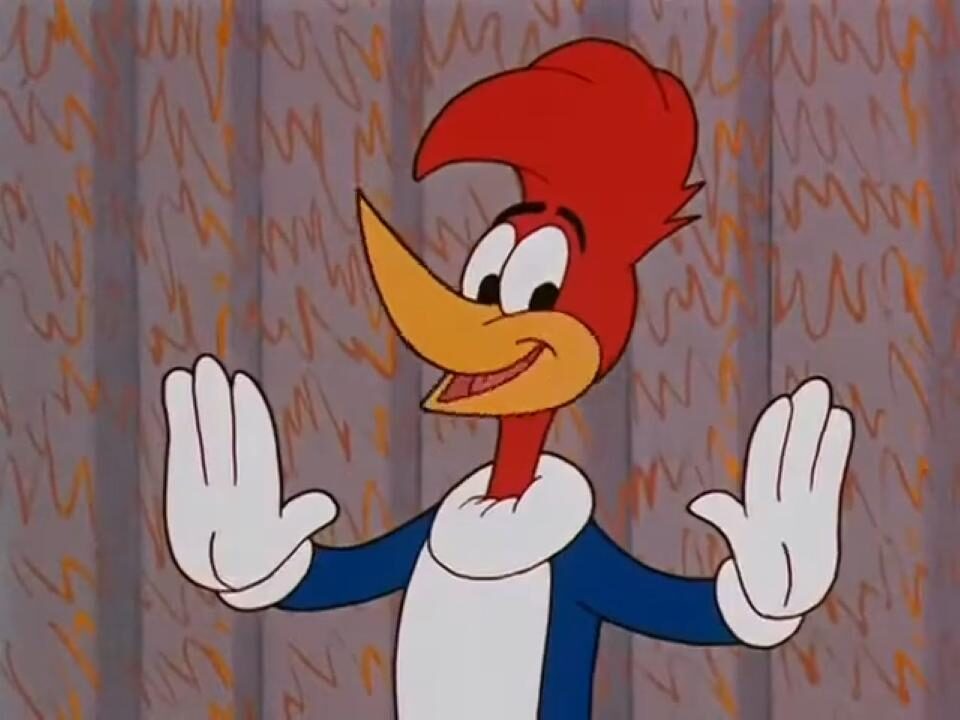
5. Woody Woodpecker
Woody Woodpecker, with his unforgettable “ha-ha-ha-HA-ha” laugh, has been making us chuckle for generations. Though Woody first appeared in 1940, it wasn’t until the late 1950s that “The Woody Woodpecker Show” became a Saturday morning favorite.
Created by Walter Lantz, Woody stood out with his bright red hair, mischievous grin, and love for chaos. The show’s success came from its mix of comedic timing, slapstick humor, and Woody’s vibrant personality, brought to life by voice actors like Mel Blanc and Grace Stafford.
Woody was all about having a good time, even if it meant ruffling a few feathers. His adventures didn’t need complex plots – just his energy and enthusiasm were enough for fun to break out. As color TV became common, Woody’s world grew even more exciting.
Woody’s carefree attitude matched the 1950s’ zest for life, when cartoons weren’t just a pastime but a gateway to imaginative adventures. His legendary laugh had many of us trying (and failing) to copy it, leaving us grinning long after the show ended. Woody Woodpecker showed us that life was full of laughter and mischief, a lesson as timeless as the bird himself.
These animated classics from the 1950s taught us that laughter is timeless. Whether through a mischievous rabbit or a crafty mouse, these characters remind us that joy can be found in even the simplest moments.
- Gitlin M, Wos J. A Celebration of Animation: The 100 Greatest Cartoon Characters in Television History. Rowman & Littlefield; 2018.
- Barrier M. Hollywood Cartoons: American Animation in Its Golden Age. Oxford University Press; 2003.