
History of Kellogg’s Pep Cereal Pins
In the 1940s, Kellogg’s Pep cereal introduced button pins featuring legendary comic characters. Kids eagerly anticipated finding pins with Orphan Annie or Superman in their cereal bowls. Pep cereal even sponsored the Superman Radio Program, adding extra appeal to each pin collection.
For children in the 1950s, opening a box of Kellogg’s and discovering these colorful pins was like finding treasure at breakfast. Each pin, a 3/4 inch lithographic marvel, was like wearing a piece of your favorite comic strip. Five sets were released, each containing 18 different characters, though only 86 of the supposed 90 have been found in collections.
These pins became badges of honor for cereal fans across America. Collectors today still search for them on Ebay, looking for the authentic “Kellogg’s Pep” stamp on the back. Well-preserved pins can fetch a good price, proving that even cereal treasures can hold their value.

Collecting Pep Cereal Pins
If you’re feeling nostalgic and drawn to the pins of yesteryear, welcome to the world of collecting Kellogg’s Pep cereal pins! These small relics aren’t just souvenirs; they’re bits of childhood joy you can wear on your lapel.
To start your search, look online. Platforms like eBay and Etsy are great for cereal-related collectibles. Pin prices range from a few dollars to $45+, depending on condition and rarity.
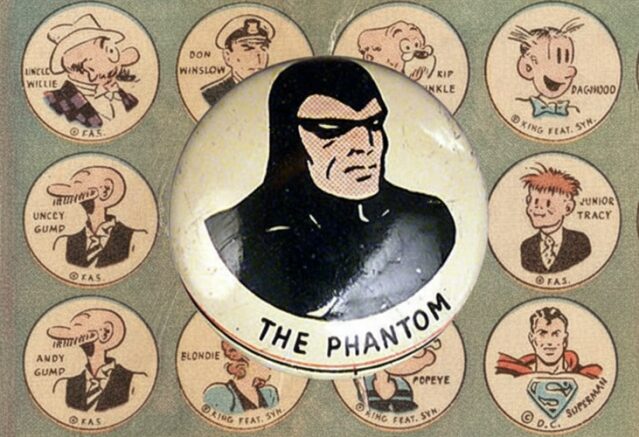
Verifying Authenticity
- Look for “Kellogg’s Pep” stamped on the back
- Check for visual clarity – scratches and fading affect value
- Remember: These are litho pins with designs printed directly on metal
As you begin your pin quest, remember to be patient. If a pin looks too perfect or prices seem unusually low, be cautious. Build your collection gradually, enjoying each discovery like a hidden comic segment.
Collecting Pep pins isn’t just about acquiring metal pieces. It’s about reviving an era—holding history in your hand and remembering when breakfast was an escape into superhero adventures.

Cultural Impact of Pep Pins in the 1950s
In 1950s America, Kellogg’s Pep cereal pins held a special place. Imagine a typical morning in a mid-century kitchen. A child excitedly digs into a Pep cereal box, seeking not just crispy flakes but the hidden treasure—a colorful pin featuring their favorite comic book character.
These pins channeled the youthful energy of the time, transforming breakfast tables into imaginative spaces. Superman, Dick Tracy, and Little Orphan Annie weren’t just characters; they were constant companions, each pin representing heroics, mystery, or adventure.
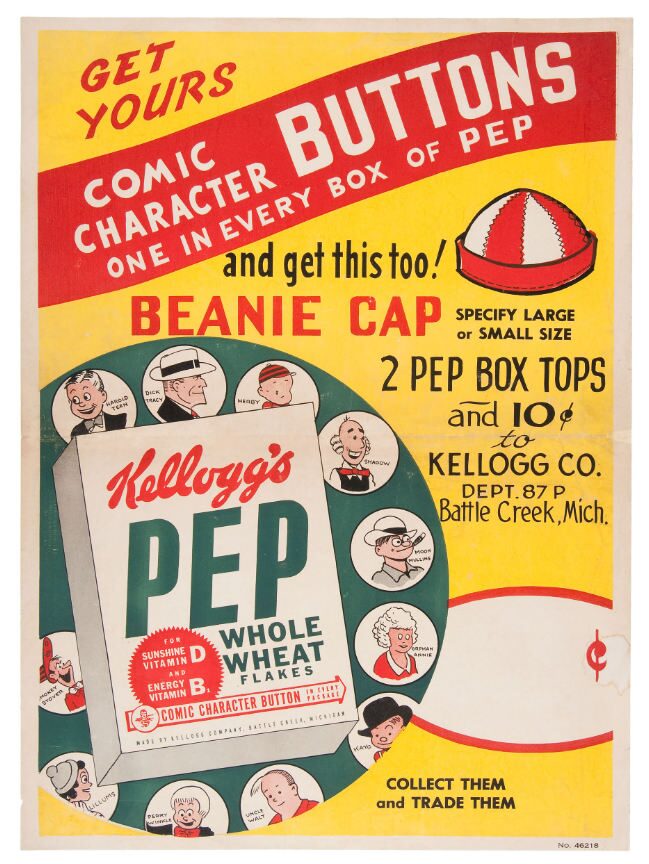
Pep pins weren’t just table decorations; they were wearable fandom pieces. Picture playground conversations as kids compared collections, traded pins, and boasted about their finds. They adorned jackets, backpacks, or were kept as secret treasures—small symbols of identity reflecting the cultural zeitgeist.
"Each pin contributed to a child's sense of identity and participation in broader cultural stories, connecting them to iconic characters of their time."
The pins gained extra excitement by linking to contemporary media. Pep cereal’s sponsorship of the Superman Radio Program cleverly combined breakfast with evening entertainment. Kids who tuned in could now wear part of the story, making listening more interactive.
Kellogg’s Pep pins were more than cereal prizes; they were artifacts of an optimistic era celebrating wonder and heroism.
Looking back on the golden days of the 1950s, it’s clear that Kellogg’s Pep cereal pins were significant childhood treasures. These small tokens captivated imaginations and brought comic book heroes to life at breakfast tables across America. Their enduring legacy reminds us of a time when simple pleasures sparked endless adventures.
- King F. Gasoline Alley. Chicago Tribune. 1918.
- Kellogg’s Company. Pep Cereal Comic Character Pins. 1945.
- Superman Radio Program. Mutual Broadcasting System. 1940-1951.