
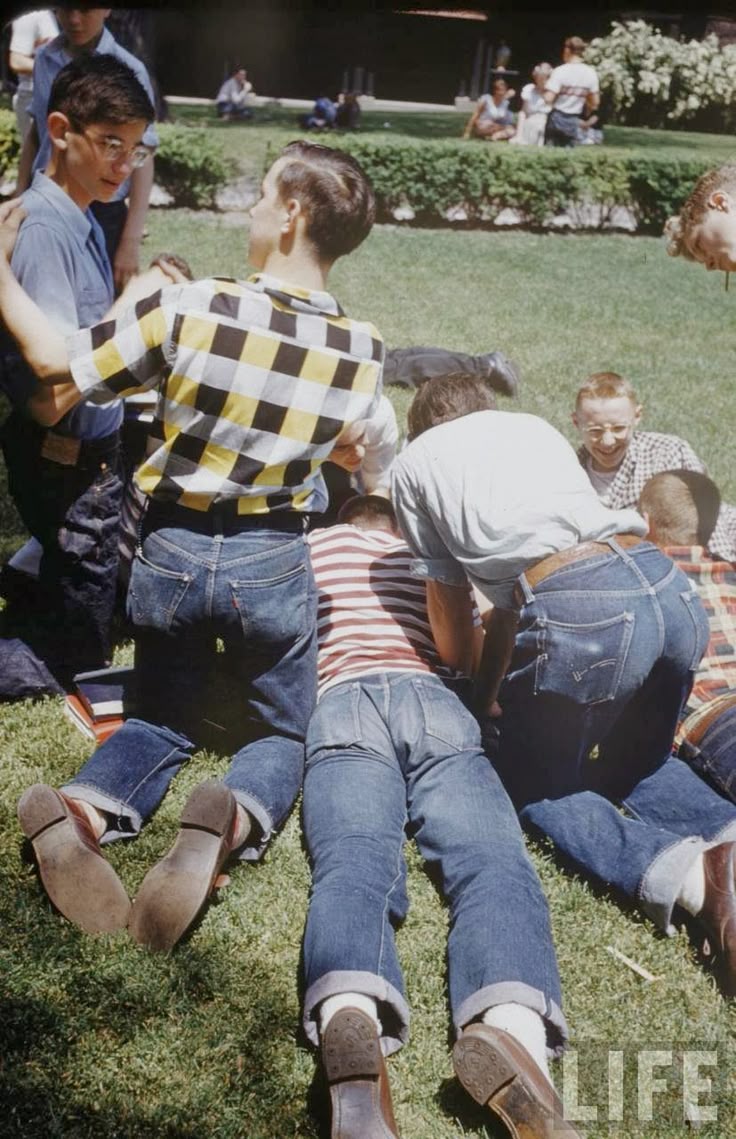
If you were a teenager in the 1950s, chances are you had a pair of Levi’s 501s—or you desperately wanted one. Before they were folded neatly at The Gap or sold pre-ripped for triple digits, Levi’s 501s were something else entirely. In the 1950s, they weren’t a trend – they were a movement. A silent, stylish way for kids to say, “No, I don’t want to be like you, Dad.”
And boy, did that message come across loud and clear. Whether you were rolling cuffs in the back of a diner or slouching on the hood of your Chevy, those jeans said you were part of something. Something that didn’t care for rules, school dress codes, or ironing.
The Levi’s 501s didn’t just sneak into youth culture – they kicked the door open. It started on the West Coast and bled across the country, one denim leg at a time. Suddenly, kids weren’t dressing like their parents. They were dressing like James Dean.
By the mid-50s, Levi’s weren’t just workwear anymore. They were a uniform for a generation that wanted to stand out by dressing down.
The Cut That Changed Everything
The original Levi’s 501s weren’t made for rebels—they were made for cowboys, miners, and farmers. Thick selvedge denim, riveted pockets, a high waist. They were made to last a lifetime of labor.
But something happened when the 1950s came knocking. Kids started wearing them not for function, but for fashion. And when Levi’s noticed, they leaned in.
In 1954, they introduced a zip-fly version—the 501Z—because East Coasters weren’t exactly fans of the classic button fly. It was a little thing, but it opened the door to a new market. By ’55, the cut had relaxed, the legs got roomier, and suddenly, they weren’t just jeans. They were cool.
The jeans were still tough, still heavyweight, still dyed with that rich indigo that rubbed off on your socks. But now, they were iconic.
Hollywood’s Denim Revolution
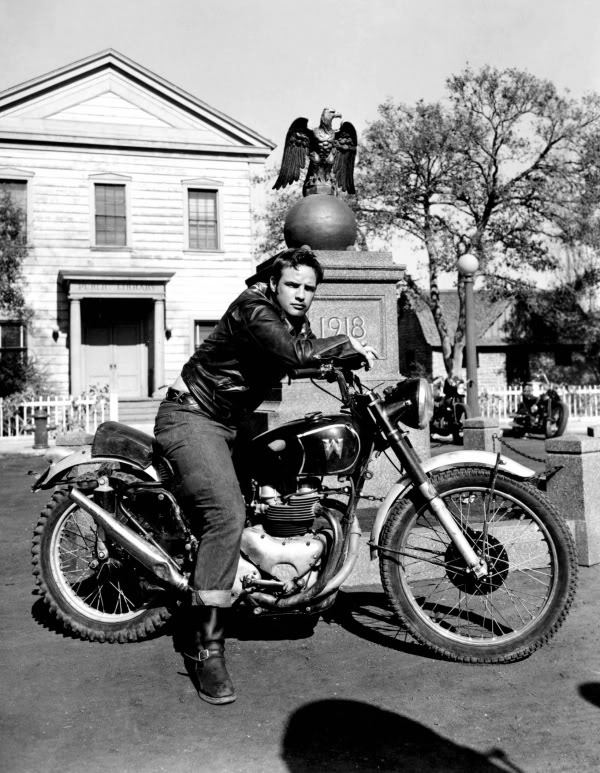
Let’s be real—no piece of clothing becomes that famous without a little help from the movies. Enter Marlon Brando. Enter James Dean. Enter instant obsession.
Brando’s swaggering biker in The Wild One paired his leather jacket with a cuffed pair of Levi’s like it was no big deal. But teenagers everywhere took notes. And Dean? Well, he basically turned blue jeans into a statement piece of every American teen’s wardrobe after Rebel Without a Cause hit theaters.
These weren’t just actors—they were walking billboards for the anti-establishment. And their Levi’s? Pure attitude.
Schools hated them. Parents didn’t get them. And that just made them more irresistible.
The Details That Defined a Decade
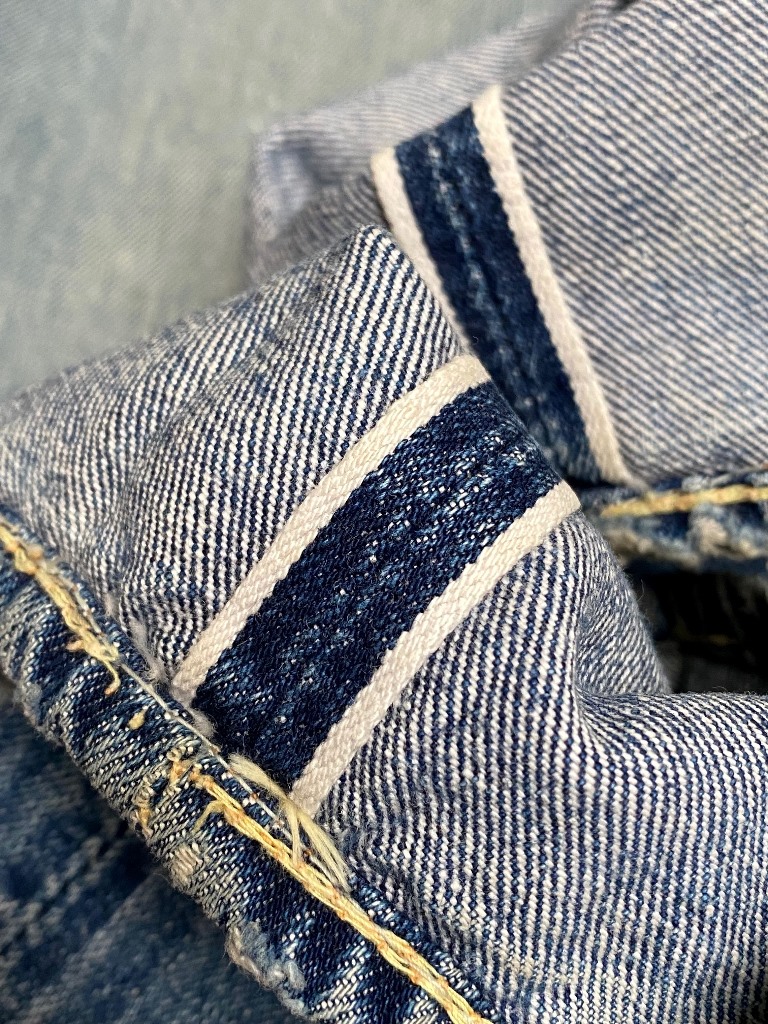
1950s Levi’s were a bit different than what’s hanging in your closet now. For starters, they were made from 12 oz Cone Mills selvedge denim, which meant they were thicker, stiffer, and needed a few good wears to soften up.
The signature red tab on the back pocket read “LEVI’S” in all caps—what collectors now call the “Big E.” There were hidden rivets on the back pockets to avoid scratching furniture (how considerate!), and the back patch had that classic two-horse logo pulling the pants apart to prove how tough they were.
They didn’t stretch. They didn’t pre-fade. And they certainly didn’t come distressed. You had to earn the fade on a pair of 501s.
Still the Gold Standard
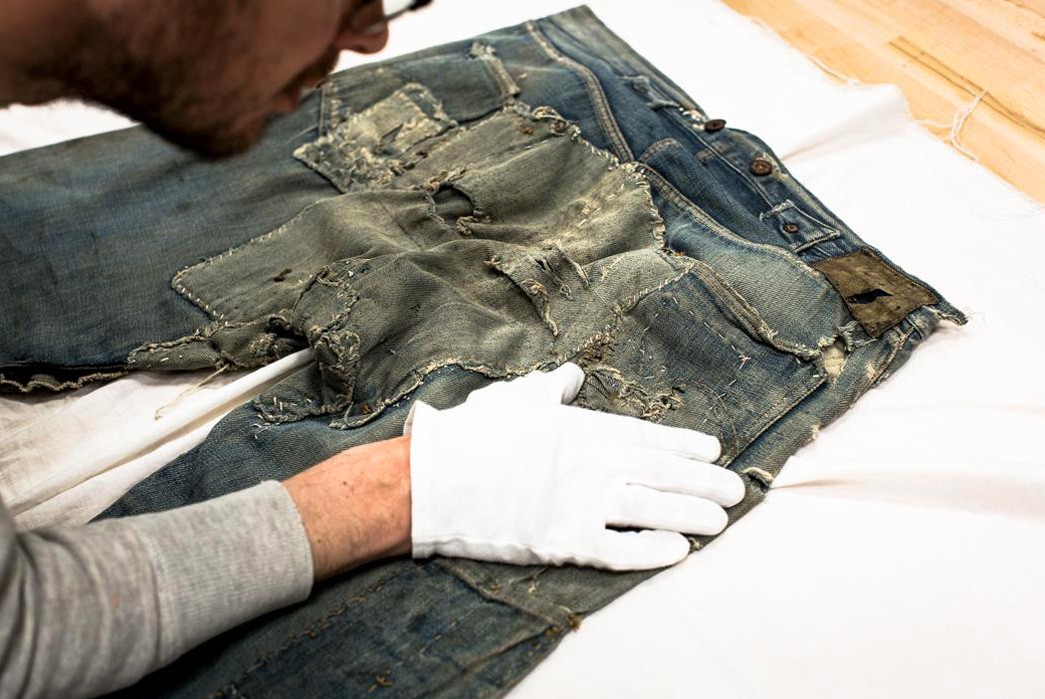
Today, vintage Levi’s from the 1950s are among the most collectible jeans on the planet. If you’ve got a pair stashed away in your attic with a “Big E” tab and some natural honeycombs behind the knees? You could be sitting on a gold mine.
Prices vary wildly depending on condition, but pristine 1950s Levi’s can sell for $500 to over $5,000, especially if they still have the original patch or rare stitching details.
Collectors and denim heads treat them like fine wine. The patina, the fades, the little quirks in stitching—they’re part of the story. And in some circles, showing up in deadstock ’50s 501s is the fashion equivalent of driving a mint-condition ’55 Thunderbird.
A Legacy That Fits Just Right
Even now, Levi’s still makes reproductions of the classic 1955 cut. They call it “vintage-inspired,” but those who wore the originals know the truth—nothing beats the real thing.
The jeans that once caused school principals to raise their eyebrows now hang in museums, fashion editorials, and high-end boutiques. The rebel look of the 1950s? Turns out, it never went out of style.
So if you ever spot a beat-up pair of Levi’s at a flea market with the red tab still hanging on—don’t walk away. You might be looking at a piece of American style history. And if they’re your size? Well, sugar, that’s fate.