
Lunches in the 1950s were more than just meals; they were a slice of everyday life wrapped in a brown paper bag. This was an era where simplicity and comfort reigned supreme, and each lunch carried with it a bit of nostalgia and connection. As we look back, there's something endearing about those grease-stained bags that held sandwiches packed with love.
Lunch Packing in the 1950s
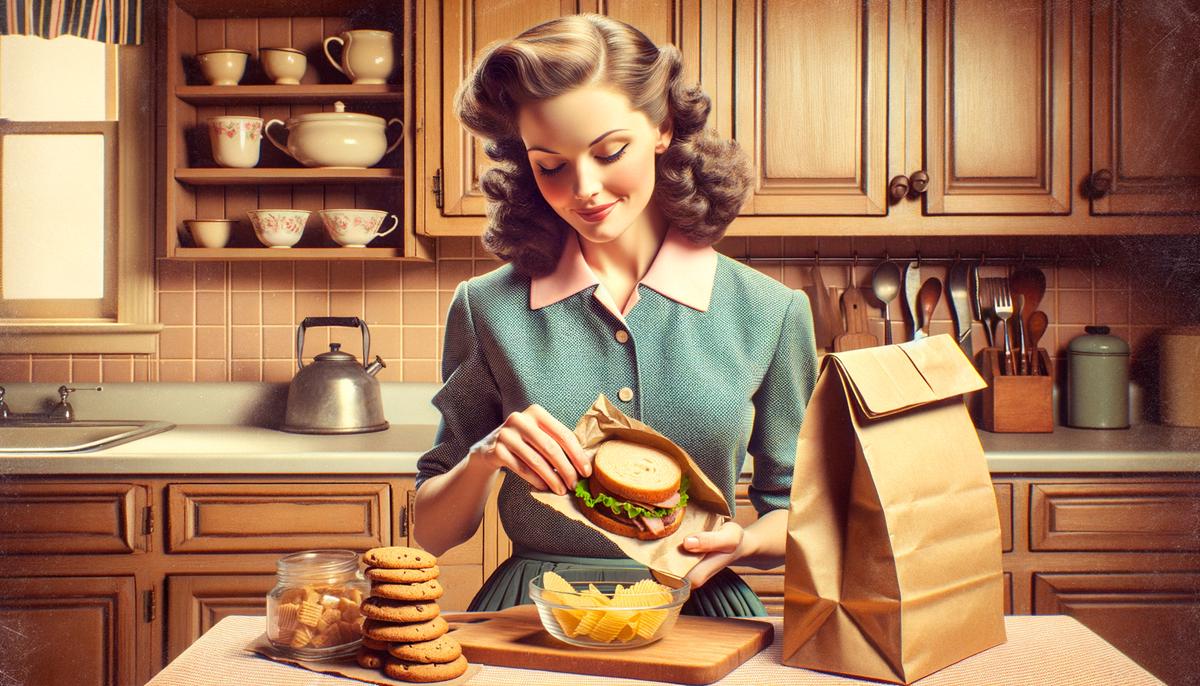
Ah, the 1950s—when a brown paper bag wasn't just a lunch holder, it was a statement. Picture this: a simple bag, easily crumpled, with a kid's name scrawled on it, serving as the midday meal vessel.
Back then, school lunches weren't about organic this or gluten-free that. It was all about the meat and mayo. You'd typically find sandwiches stuffed with slabs of roast beef or bologna, often with plenty of mayonnaise. No one counted calories—just hearty bites of whatever was leftover from last night's dinner.
Vegetables? Oh sure, if you count the thin slice of tomato buried somewhere in your sandwich. The sides weren't exactly what today's nutritionists might recommend, either. Potato chips—plain or barbecue—were the standard. Homemade cookies, brownies, or a wrapped piece of pie served as dessert. For drinks, it was milk if you were lucky, or soda, wrapped in aluminum foil to stay cool.
Kids would dump their lunch bags on folding tables and dive into swapping snacks. A barter system where chips could be traded for a Ding-Dong, and no one blinked if a Twinkie showed up. Those lunches sometimes defined status among peers, as much as the newest comic book or favorite TV show.
Today's kids might not recognize these hefty sandwiches full of flavor. Now, lunch comes in compartments, with fruits cut into shapes and grains measured out. The move to insulated lunch bags and complex storage solutions has offered convenience and safety, but some might say it's lost a bit of the charm from back in the day.
Evolution of School Lunches
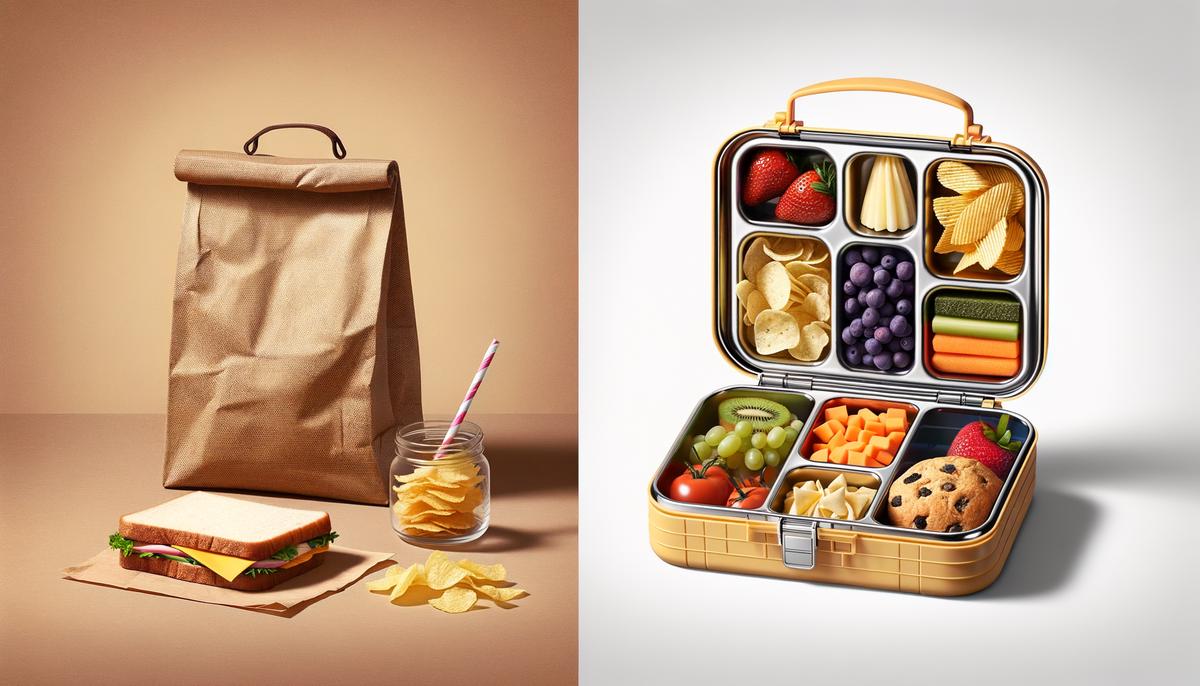
While 1950s school lunches were simple, it's interesting to see how they contrast with today's organized, health-focused lunchtime routines. Back then, the idea was straightforward: fill 'em up, worry about health later. A sandwich in wax paper was enough, and the paper bag was both cooler and fridge.
Today's lunchboxes are a different story. Built-in compartments, portioned meals, and healthy snack bars are the norm. This change reflects our society's increased focus on safety and nutrition, leading to a new approach in lunch prep.
Insulated lunch bags aren't just about keeping food cold; they're about peace of mind. No worries about warm tuna salad here. It's about maintaining that perfect chill so each bite is fresh. The idea of "I didn't get sick last time, did I?" might seem quaint now but was pretty common back then.
Food safety wasn't as big a deal compared to today's careful routines. The change, while losing some of the spontaneity of 1950s paper-bag lunches, shows how we prioritize health now. But let's be honest, who wouldn't trade their balanced salad for a good ol' sloppy joe, just for old times' sake?
Today's lunch gear seems to say, "We care." It's part of a bigger shift towards meeting dietary needs and safety concerns. But despite these changes, the essence of lunch remains the same. It's still about that midday break, a chance to connect, enjoy, and maybe remember how things used to be—simpler, a bit messy, but definitely memorable.
Reflecting on the lunches of the past, it's clear that while today's meals might be healthier or more organized, there's an undeniable charm to those carefree days when lunch was about hearty bites and shared moments. The essence remains—it's all about taking a break to savor life's simple pleasures.
- Woodall A. The Lunch Box Museum: A Nostalgic Journey. American Collector Magazine. 2020;45(3):12-18.
- Reece T. The Golden Age of Lunch Boxes: 1950-1970. Vintage Americana. 2018;22(1):55-62.
- Smith J. Evolution of School Nutrition: From Paper Bags to Bento Boxes. Journal of School Health. 2019;89(7):534-541.