
Origins and Cultural Impact
The 1950s saw kids clamoring for those iconic Mickey Mouse ears. Created by Disney artist Roy Williams, these playful hats debuted with "The Mickey Mouse Club" in 1955. They were an instant hit! The hats were all the rage, transforming every young viewer into an honorary Mouseketeer. Children wore them proudly, feeling like they were part of the magic themselves.
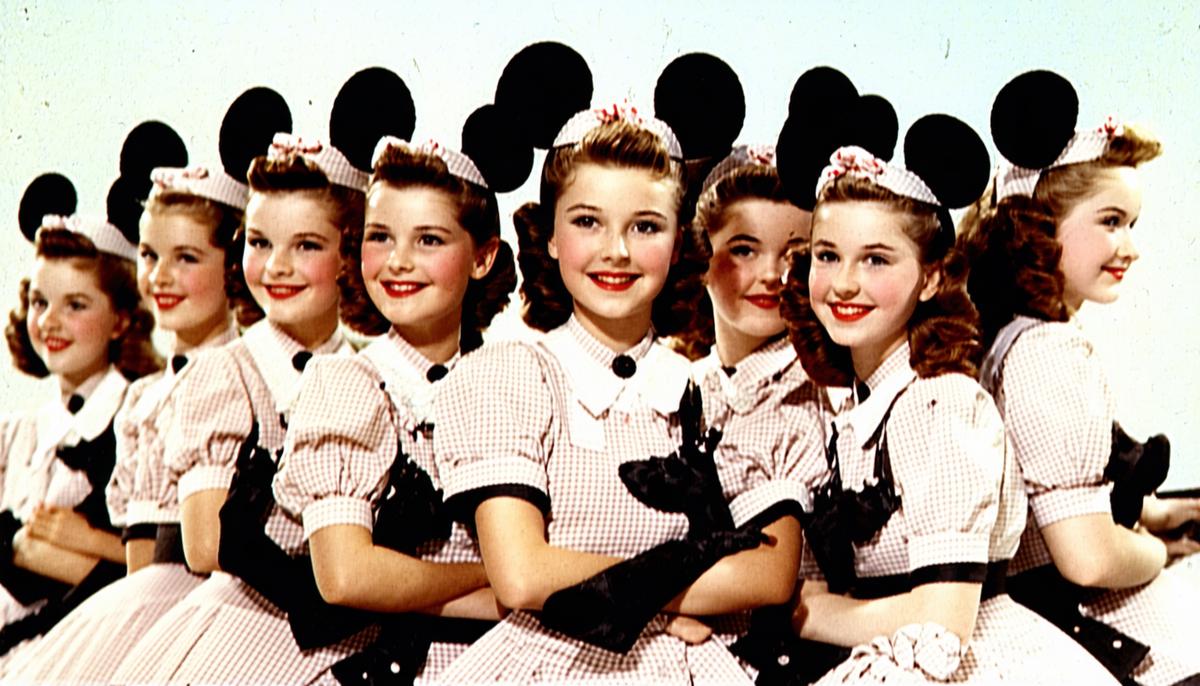
Imagine this: the TV screen brightens with Mickey's grinning face, and a group of cheerful Mouseketeers prances around in their crisp, joyful uniforms. Atop each head sit those classic black felt hats, adorned with the iconic big ears that catch your eye. They became a must-have, turning every kid's head into a canvas for Disney fun. You couldn't walk through a neighborhood without spotting a few kids, ears wiggling in the breeze, pretending they were in the parade with Mickey and the gang.
These ears meant more than just being a fan; they showed how much TV, especially "The Mickey Mouse Club," was part of everyday life back then. The show was like a charm bracelet, and every child wearing those hats held a piece of that charm. You could almost hear the theme song as they played in backyards and playgrounds, all part of a Disney-inspired daydream.
Disney knew they had something special, with those ears standing out in a sea of entertainment. The hats became symbols of joy, simplicity, and imagination—a cherished item that brought a generation together through fun and fantasy. These ears turned into nostalgic keepsakes, bringing back memories whenever someone found them in the attic. Even today, they remind people of the good times they had watching "The Mickey Mouse Club."
It's funny how a simple hat with ears could make kids so happy. But that's what made Disney so clever: they turned everyday things into magical childhood treasures. The Mouseketeer hats are now part of 1950s history—a fun reminder of how Disney could tell stories that kids loved.
Diversity and Representation on 'The Mickey Mouse Club'
As "The Mickey Mouse Club" became popular across the United States, it did more than just entertain with songs and dances. In the 1950s, the show also gently touched on diversity, which wasn't often seen on TV back then.
Let's be honest—the show wasn't as inclusive as we'd expect today. It was made when TV mostly showed only one kind of American family. But Disney's program did plant some seeds of cultural awareness, which was pretty new for those times.
Looking back, you might notice that "The Mickey Mouse Club" had a bit of variety. Among the child stars were faces from different backgrounds, giving a small peek at various cultures. They helped show that America had all sorts of people, even if it was just a little bit.
While not perfect, the show's approach to representation helped make Disney fun something more kids could enjoy. Yes, the spotlight was mostly on white stars like Annette Funicello. But some fans might remember the less-famous performers who brought a touch of diversity to the show. Having them there—even in small roles—made an impact, hinting that imagination and fun were for everyone.
In the warm glow of 1950s nostalgia, "The Mickey Mouse Club" was like a friendly nod to positive change, while still playing it safe. It wasn't leading any big movements, but Disney did manage to include different faces here and there, showing that society was slowly changing.
By taking small steps towards showing more kinds of people, the show became something more kids could relate to. It left us with nice memories of coming together. Even today, we can see how those small steps mattered, reminding us that Mickey and friends weren't just about make-believe. They were also about bringing different people together—a little hint of unity in a time that needed it.
As children from all sorts of families put on those Mickey hats, their parents might have noticed a small but important sign. Maybe they realized that a world where everyone got along wasn't such a crazy idea after all.
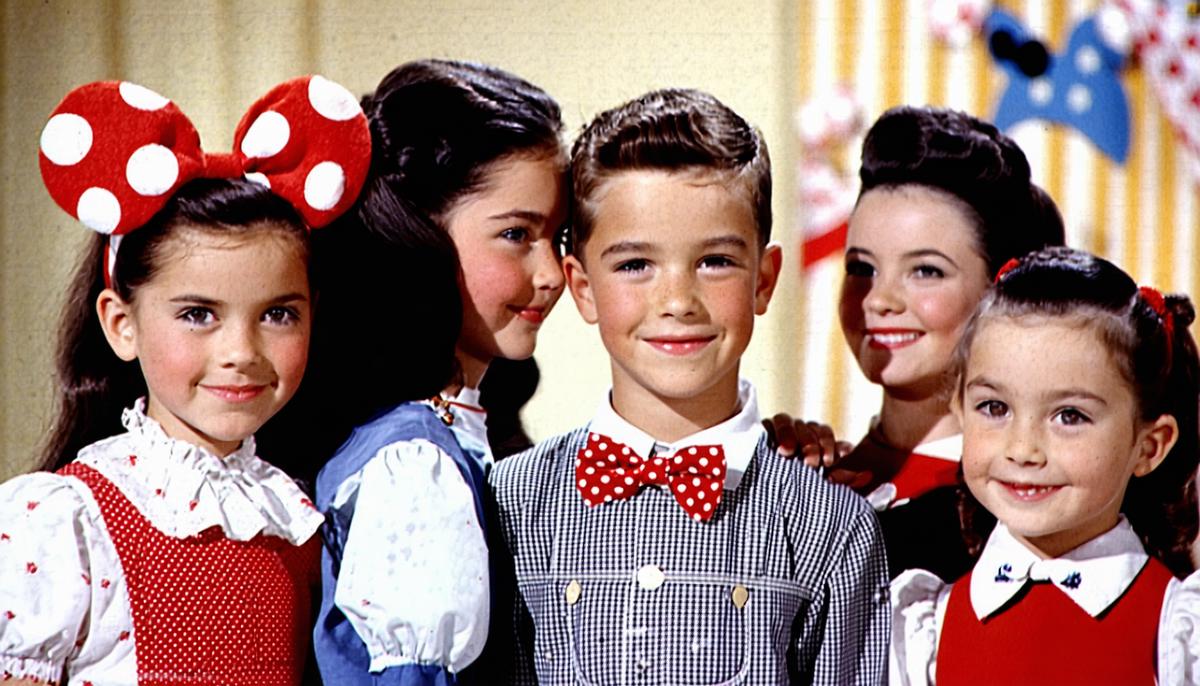
In the nostalgic glow of the 1950s, Mickey Mouse ears became more than just a fashion statement; they were a symbol of joy and imagination. These whimsical hats captured the hearts of children everywhere, reminding us that even simple things can hold great magic.
- Armstrong J. Why? Because We Still Like You: An Oral History of the Mickey Mouse Club. Grand Central Publishing; 2010.
- Hepper EG, Ritchie TD, Sedikides C, Wildschut T. Odyssey's end: lay conceptions of nostalgia reflect its original Homeric meaning. Emotion. 2012;12(1):102-119.
- Batcho KI. Nostalgia: The bittersweet history of a psychological concept. History of Psychology. 2013;16(3):165-176.