
The Rise and Fall of Newsreels
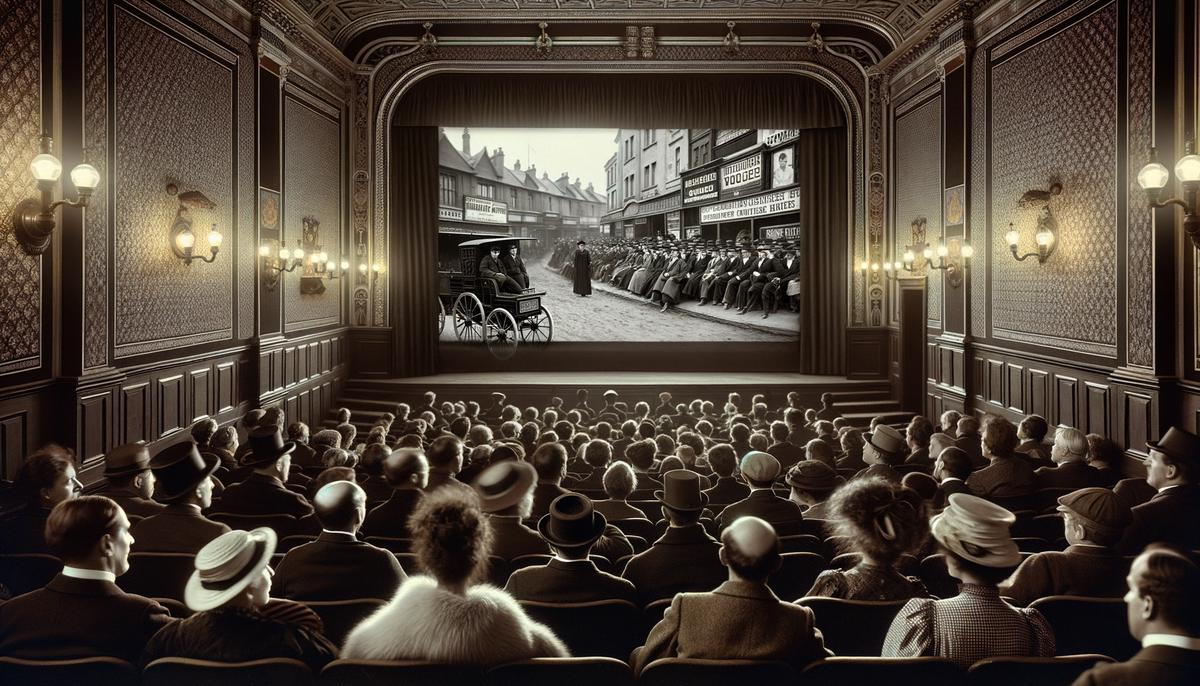
Back in the 1950s, newsreels were all the rage. Before TVs became common, people went to movie theaters not just for films, but also to catch up on world events through these short news films. They started with actuality films in the late 1800s, showing real-life events to amazed audiences.
Charles Pathé kicked off weekly newsreels in 1911 with Pathé's Weekly, focusing on everyday life. By the 1930s and '40s, newsreels hit their stride. The Great Depression and World War II provided plenty of material, and folks packed theaters to see footage of far-off battles and political events.
What made newsreels special? They brought stories to life with moving images, combining news, entertainment, and education. It was a window into the world before we could just look things up online.
But then came television, changing everything. Suddenly, you didn't need to go to the theater for news. With newspapers and radio already in the mix, film studios had to rethink their approach.
Newsreels began to fade after World War II. By 1967, they'd played their last reel. For those who remember them, newsreels remain a fond memory of a time when the world came to us larger than life, even if just for a moment.
The Saturday Matinee Experience
Picture yourself as a kid in the 50s, heading to the Saturday matinee with your allowance money. These weren't just movie showings – they were social events where kids could let loose without adults shushing them.
The typical lineup included:
- A double feature, usually starting with a Western or war movie
- A handful of cartoon shorts starring your favorite characters
- Serials, where heroes and heroines narrowly escaped danger week after week
- And of course, the newsreels
Kids would often yell out the closing credits: "The eyes and ears of the world!" It felt like being part of something bigger.
The social scene was just as important as what was on screen. Kids formed alliances to get the best seats, and there was always some wheeling and dealing going on in line. Some clever kids even ran small-time schemes to earn extra movie money.
During intermission, the concession stand became the center of attention. Popcorn and candy fueled the excitement for whatever was coming next.
For many, these matinee memories are treasured. Going to the movies wasn't just entertainment – it was a community event that sparked imagination and created lasting friendships.
Technological and Narrative Innovations
Newsreels evolved over time, becoming more than just silent montages. They embraced new technology and storytelling techniques to keep audiences engaged.
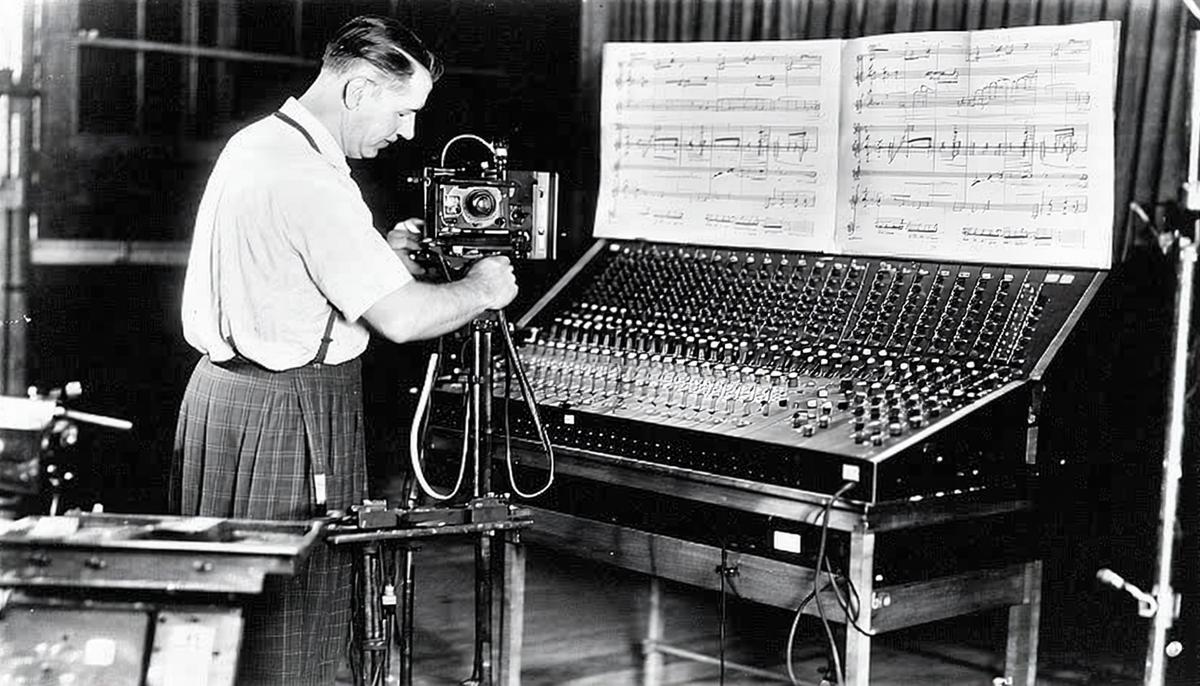
Sound was a game-changer. In 1927, viewers first heard narrators guiding them through the news. Imagine the thrill of hearing Charles Lindbergh's plane engines roar during his historic flight!
As the 1940s rolled around, newsreels got more creative with their storytelling. Editors crafted sequences that felt like mini-dramas rather than simple updates. They turned dry announcements into captivating stories.
"The March of Time" series took things further, using actors for re-enactments. They added dramatic narration and clever editing tricks, paving the way for modern documentaries.
Music became an important part of the newsreel experience too. Upbeat tunes accompanied positive stories, while somber melodies set the tone for more serious news.
These innovations brought the world to local theaters in a way that was both informative and entertaining. Newsreels were more than just news – they were a shared cultural experience that brought people together.
Nostalgia and Cultural Impact
For those who experienced them, newsreels are now cherished memories. They remind us of a time when everything felt new and exciting.
Newsreels weren't just about far-off events. They captured everyday life too, preserving the look and feel of the 1950s. Watching them now is like stepping into a time machine.
"I really felt very nostalgic and I don't mind saying it, I did have a lump in my throat and it took me all my time to keep right where I should be," said Bill Mather, a former projectionist, upon seeing a reconstructed 1950s cinema.
These reels played an important role in shaping how people saw themselves and the world. They brought communities together, giving everyone a shared experience to talk about.
Today, we can see the influence of newsreels in modern documentaries. They taught us how to blend information with storytelling in a way that keeps people interested.
Looking back, newsreels represent more than just old news. They're a snapshot of who we were, how we lived, and what mattered to us. That's why they still hold a special place in our cultural memory.
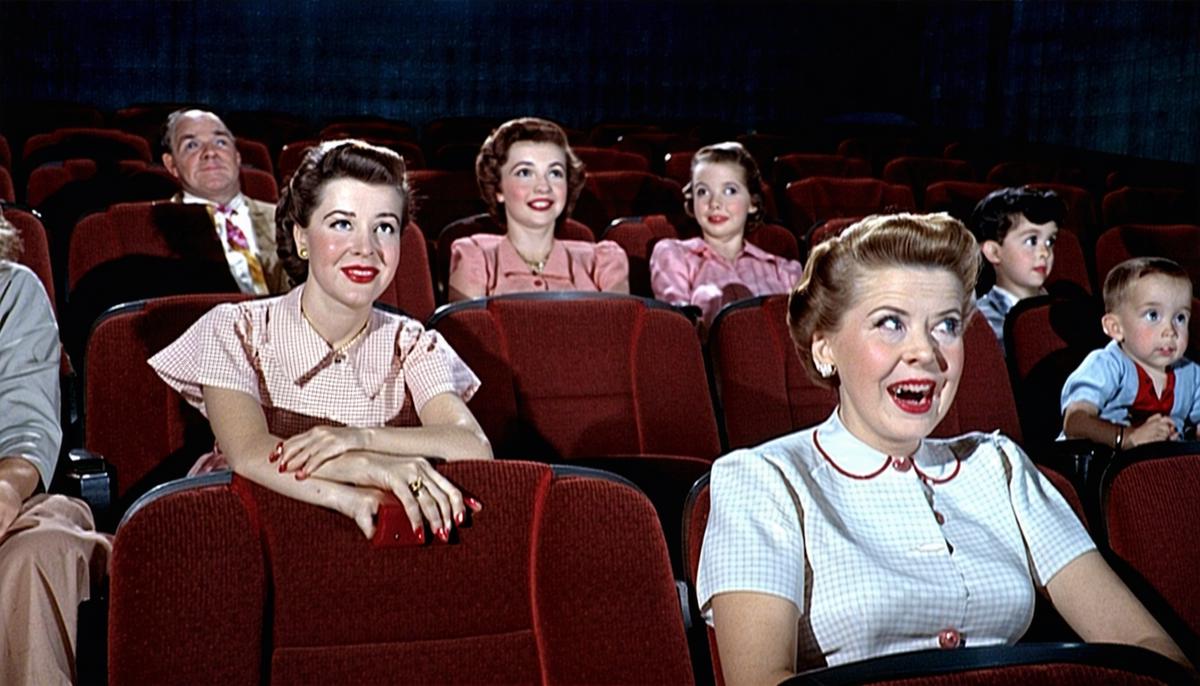
Newsreels were more than just news clips – they were a cultural phenomenon that brought the world to local theaters. They informed, entertained, and connected people in a unique way. As we look back on their legacy, we can appreciate how they shaped our understanding of news and storytelling.
- Fielding R. The American Newsreel, 1911-1967. Norman: University of Oklahoma Press; 1972.