
In the 1950s, life seemed to carry a different rhythm, one where simplicity and affordability were more than just ideals—they were realities. A nickel back then was not just a coin; it was a passport to small joys and everyday necessities. As we reflect on those times, it’s hard not to feel a sense of nostalgia for an era when the cost of living aligned with simpler pleasures.
Purchasing Power of a Nickel in the 1950s
Back in the 1950s, a nickel could buy you quite a bit. You could walk into a store and get a candy bar or a pack of gum. Postage stamps were five cents each, letting you mail a letter for just one coin. In some places, you could even find a loaf of bread for a nickel.
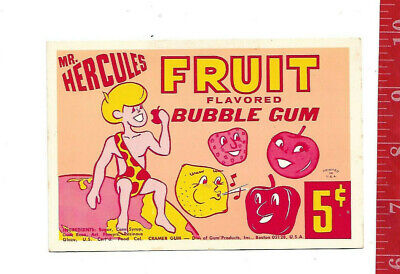
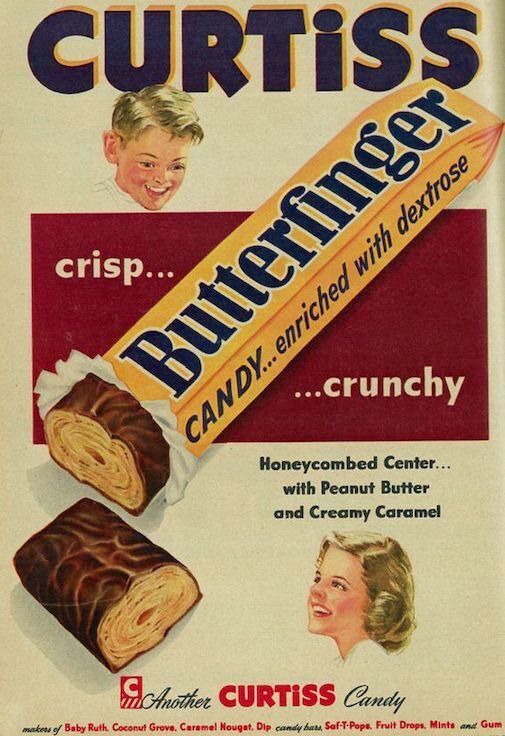
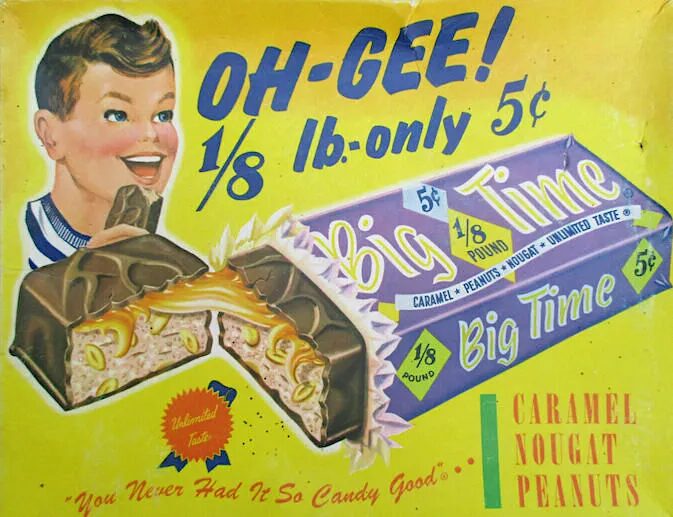
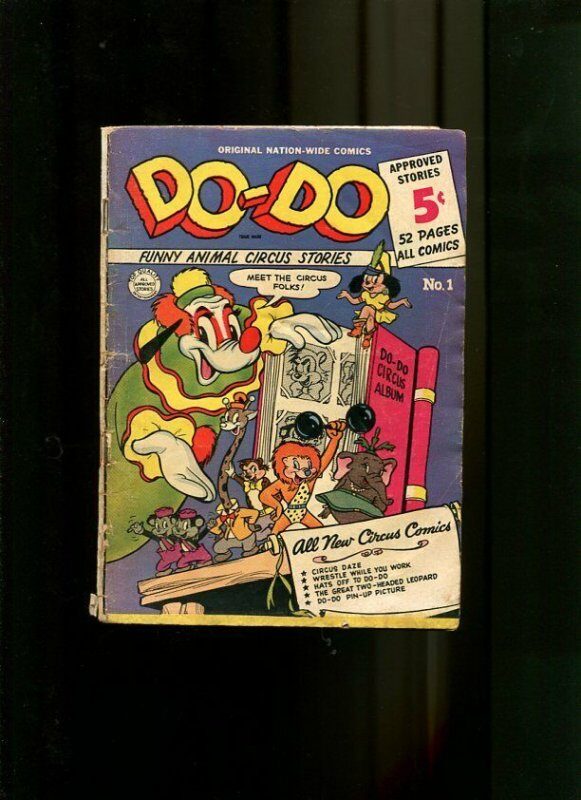
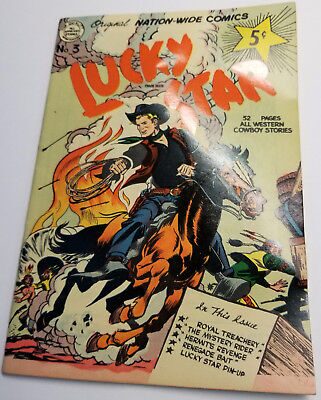
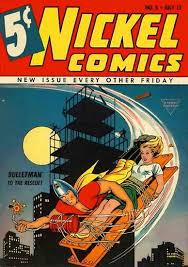
Comic books were often a dime, but some bookstores might have them for a nickel. Payphones also took nickels, giving you a quick chat for just five cents.
Compared to today, the nickel’s buying power has certainly changed. Now, you’d be hard-pressed to find anything for just five cents. It’s a reminder of how different things were back then, when life seemed a bit less expensive.
Economic Factors: Inflation Over Time
So what happened to make our nickel lose its purchasing power? The answer is inflation. This economic force has steadily increased prices over the years.
Since 1950, inflation has averaged about 3.49% per year. This means items that cost cents back then now cost dollars.
For example, a 50-cent candy bar from the ’50s would cost about $6.55 today.
Movie tickets show a similar trend. In 1963, you could see a film for 85 cents. Now, it’s over $10. Even essentials like aspirin have gone up – from 59 cents in 1950 to over $10 for a 100-count bottle today.
Gasoline prices have also soared. In the mid-’50s, a gallon cost about 30 cents. Today, it’s enough to buy a modest meal. These changes remind us how much the economic landscape has shifted since the 1950s.
Comparison to Today’s Costs
Let’s look at how some prices have changed:
- Candy bar: From a nickel to $1-$2
- Loaf of bread: From a nickel to $2-$4
- Comic book: From a nickel or dime to $3-$5
These differences show how much buying power has changed over time. While a nickel was once enough for small treats or necessities, it doesn’t go nearly as far today.
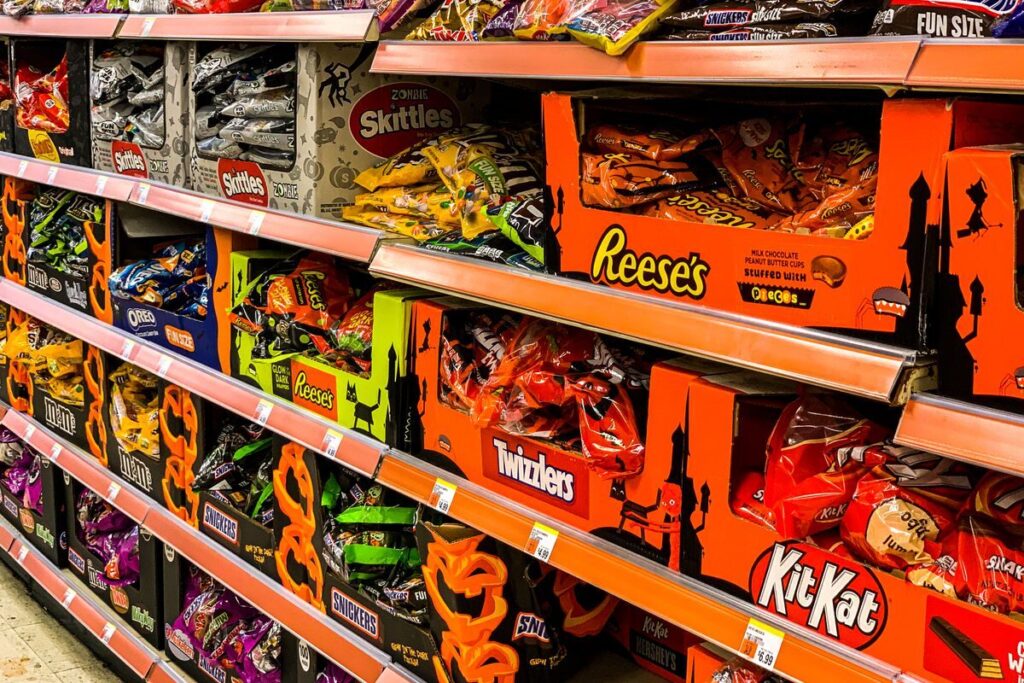
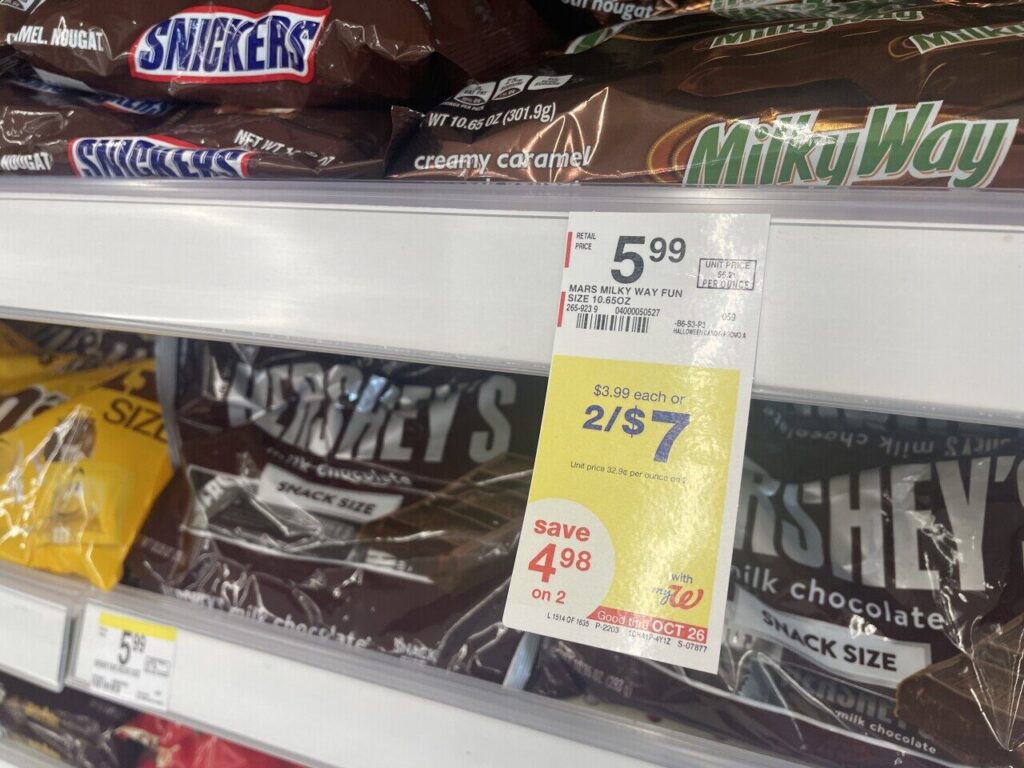
This shift in prices tells a bigger story about how our economy and lifestyle have evolved. It’s a reminder of a time when life seemed simpler and more affordable.

Cultural Implications of Changing Costs
The change in what a nickel can buy has affected how we live and spend. In the ’50s, families could enjoy simple pleasures without worrying much about cost. A day out or a trip to the candy store was easy on the wallet.
Today, we approach spending differently. We use apps to find deals and plan our purchases more carefully. The spontaneity of buying a comic book or treating the family to ice cream has been replaced by more calculated decisions.
This shift has changed how we view leisure time too. Instead of a quick call from a payphone, we now have monthly phone plans. Comic book shops compete with online subscriptions and digital downloads.
Yet, there’s still a fondness for those simpler times. People often look back on the ’50s with nostalgia, remembering when a nickel could buy a moment of joy. While we can’t go back in time, these memories remind us to appreciate the small pleasures in life, even if they cost more than a nickel now.
Ultimately, while the value of money has shifted dramatically over time, the memories of what once was remain vivid. The story of the nickel is more than just about inflation—it’s about cherishing moments when life felt less complicated and joy could be found in simple exchanges.
- U.S. Bureau of Labor Statistics. Consumer Price Index Inflation Calculator.
- Morris County Library. Historical Pricing Research.
- Comichron. Comic Book Price Research.
- CBS News. Movie Ticket Price History.
- U.S. Department of Energy. Gasoline Price History.