
Philco radios from the 1950s hold a special place in the hearts of many, offering a glimpse into a time when music and design came together in a way that was both functional and stylish. These radios are more than just relics; they represent an era of innovation and charm, capturing the essence of a bygone time with their distinctive features and enduring appeal.
Philco Radio Features
Philco radios from the 1950s are packed with charm and features that made them the talk of every evening gathering. Their bakelite design, a tough early plastic, gave these radios a glossy finish that made them shine.
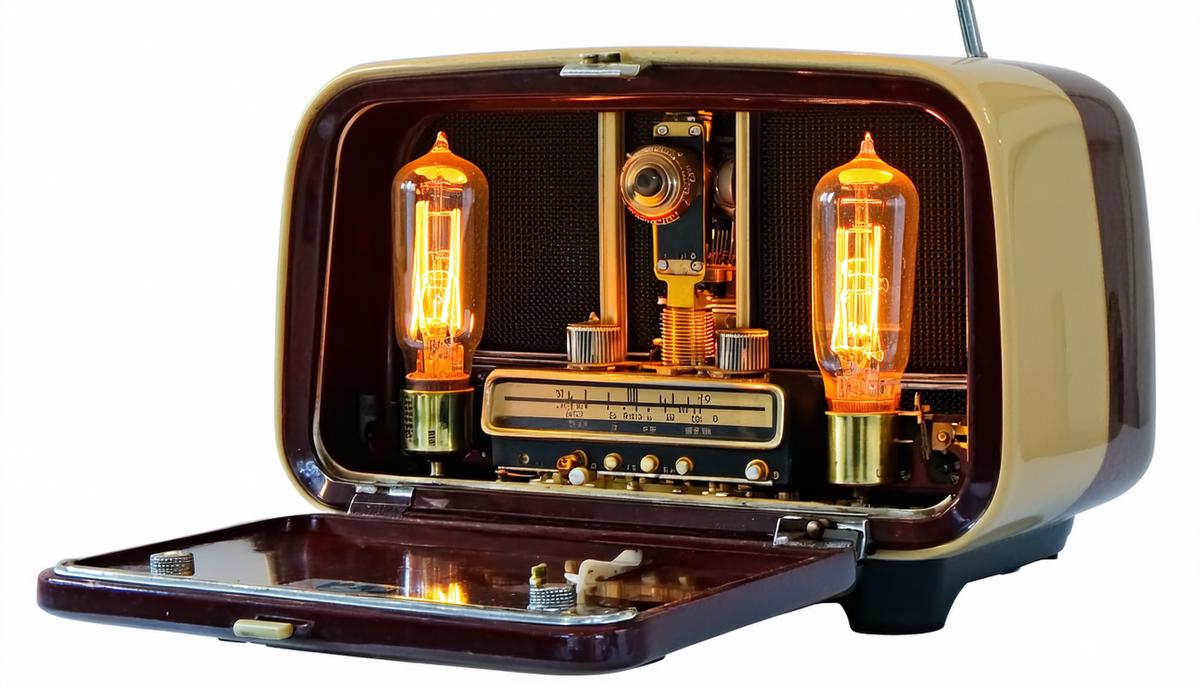
Inside these beauties were vacuum tubes, often called the heartbeat of Philco radios. They brought warmth to the sound that's hard to find nowadays. Flip a switch and watch those tubes glow—it's like seeing stars come out after a long summer day.
Philco radios were great at pulling in AM signals. You didn't need to be a tech whiz to tune in to your favorite radio drama or catch the latest news. One twist of the knob, and you were cruising through the airwaves.
Their art deco style was something to write home about, too. All sleek lines and curves, these radios were eye-catching centerpieces. The colors, like cranberry red or robin's egg blue, added a splash of fun to any setting.
Even in terms of practicality, Philco's attention to detail was sharp. Many models still showcase pristine clarity today, thanks to those artful designs and top-notch engineering. Some modern versions even quietly tout Bluetooth technology, meshing old-world charm with new-era convenience.
Whether it's the aesthetic allure or the functional magic, these radios hold a piece of the past with a firm grip. Who wouldn't want such a timeless treasure sitting in their living room?
Restoration and Modernization
Restoring a Philco radio is like rolling up your sleeves for some good old-fashioned nostalgia and technology tinkering. It's where the past and present do a little dance, and every turn of the dial brings back memories of drive-ins and poodle skirts.
The process often starts with opening that glossy casing to inspect the heart of these charming relics—the vacuum tubes. Every tube needs a little TLC. If a tube seems too worn, a swift replacement with a vintage or compatible modern counterpart gets it humming again.
Then come the capacitors and resistors, working to keep the rhythm in check. Over the years, these components can lose their groove. Swapping out the old with fresh replacements brings that sweet audio clarity back to life.
Modern enthusiasts often add Bluetooth to these radios. It's like giving your trusty old Philco a new trick, allowing it to play modern playlists while keeping that striking vintage look. This update is done with respect to the original design, ensuring the radio's soul stays firmly in its colorful past.
Whether it's a smooth restoration job that preserves its vintage harmony or a modern twist that lets it jam wirelessly, a Philco radio becomes a bridge between eras. When those tubes glow softly in a dimly lit room, past meets present, and they dance!
Market Value and Collectibility
When it comes to market value and collectibility, each Philco radio is like a well-preserved vinyl, cherished by those who recognize its worth. The allure of the 1950s Philco lies in what it represented—a piece of history that's still singing its tunes.
Condition is key when assessing value. A Philco in mint condition, with original parts gleaming like they just stepped out of a time capsule, is the cream of the crop. Collectors will pay top dollar for one in such pristine condition.
Rarity plays a big role too. Those elusive models that didn't roll off the assembly line in droves are particularly sought after. A Model 37-690 or a 38-690, for example, can be quite magnetic to collectors.
Demand can be unpredictable, sometimes driven by nostalgia, other times by aesthetic appeal. Just like the enthusiasm for poodle skirts or Elvis records, demand can ebb and flow, bringing along price variations.
On eBay, the digital bazaar where these radios often trade hands, prices can vary widely. A Philco might sell for $475 one week and struggle to hit $300 the next. It's important to keep your wits about you and watch out for misleading listings or inflated prices.
"Values are quite subjective and can vary from one area of the country to another and even from one day to another."
The art deco styling and nostalgia factor make every model unique. Whether it's a flawlessly maintained Model 52-542 or a lovingly restored family heirloom, every Philco can find its admirer. The rarest and most cared-for models might command the highest prices, but there's value in every Philco's heart that someone out there is willing to treasure.

In the end, Philco radios stand as a testament to the enduring allure of the 1950s, where every dial and tube tells a story of warmth and nostalgia. Whether cherished for their vintage charm or updated with modern touches, these radios continue to captivate those who appreciate the blend of past and present.
- Nelson P. Radio Values. Phil's Old Radios.
- Philco Radio Restoration Guide. Antique Radio Collectors Association. 2020.
- Smith J. Collecting Vintage Radios: A Market Analysis. Journal of Antique Electronics. 2019;45(3):112-118.