
Hidden Compartments in Mid-Century Furniture
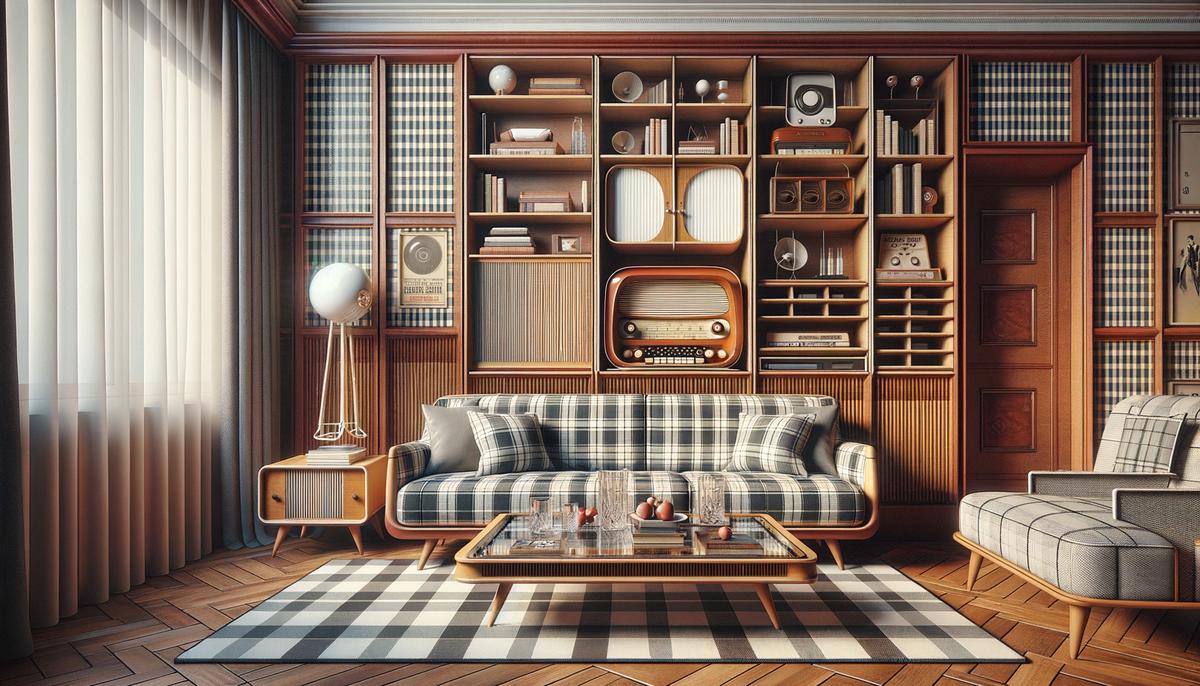
Back in the days when Elvis was king and the Cold War was simmering, furniture wasn’t just for sitting; it had secrets. Mid-century modern furniture was like a tuxedo with hidden pockets. Picture a sleek coffee table that could hide a stash of papers or a bookshelf that concealed a radio. These pieces were functional and looked like they’d popped right out of a space-age dream.
Imagine settling in your living room. Everything looks nice and neat, but under that thin veneer of cool is a network of hidden compartments. Maybe it’s a drawer in the coffee table that holds more than just coasters or a lamp that houses a microphone. It was like living in your very own spy movie, but with more plaid and fewer fancy cars.


This smart blend of style and stealth wasn’t just limited to furniture. Entire rooms were reinvented to reflect that spy-inspired look. Living rooms turned into covert command centers just by flipping a switch or sliding a panel. The idea was to have spaces that were as comfortable hosting a party as they were concealing secrets.
Inspired by Cold War worries, these covert creations became something of a trend. People loved the idea of being ready for anything, even if most of us only needed to stash a few magazines or keep prying eyes away from our snacks.
These quirky features were not just practical; they were cool. Having furniture with hidden compartments was like having a trick up your sleeve, ready for the grand reveal at a moment’s notice. Your chair might seem ordinary until you pull a lever and out pops a compartment holding who knows what—maybe just your remote, but it could be something more exciting.
Cold War Influence on Furniture Design
It’s fascinating to consider how Cold War fears seeped into our living rooms, with designers taking cues from spy stories. The 1950s seemed to whisper, “Trust nothing, especially not your furniture!” Designers embraced this by adding secret compartments and hidden features to their creations. These touches weren’t just stylish; they reflected an era where everyday life and intrigue mixed.
Consider the clever thinking behind a piece that looked innocent but could hold secrets. Maybe a sideboard with a panel that slid open to reveal a nook perfect for stashing documents—or just some extra drinks. It was design meeting trickery in a way that made every home feel a bit mysterious.
The appeal of furniture that could be both stylish and secretive showed how the 1950s were fascinated with being prepared and surprising. Each piece of furniture was like a story waiting to be uncovered with the right touch.
And let’s not forget how fun it all was. It was neat to imagine yourself as a glamorous spy, with every piece of furniture as your ally in disguise. The thrill of hidden compartments was a playful nod to the times—a reminder that things weren’t always what they seemed.
In a decade where “bachelor pads” were becoming popular, these sneaky designs were perfect. Furniture wasn’t just about being useful; it was about having flair and a little mystery. It encouraged a lifestyle that celebrated the unexpected.

Espionage Utility Meets Aesthetic Design
Even in an era where perfect suburbia was the dream, there was always room for a little intrigue. The brilliance of 1950s furniture design was in its ability to combine sleek, modern looks with features that could fit into a spy novel. Designers weren’t just making a couch; they were creating a conversation piece that hinted at secrets hidden under those modern lines.
These pieces took versatility to a new level. The trick was in balancing spy-like functionality with pleasing looks. It had to look good enough to impress any guest, yet be sneaky enough for the most secretive homeowner.
The secret was in the clever use of space. Designers played with shapes, ensuring that while a piece looked great, it also offered plenty of hidden storage. It was like a magic trick, turning a simple bureau into a secret lair with just a quick movement.
Design Features of Spy-Inspired Furniture:
- Hidden compartments in seemingly solid surfaces
- Movable panels revealing secret storage
- Dual-purpose items (e.g., a lamp doubling as a microphone)
- Mechanisms triggered by unsuspecting switches or levers
- Clever use of negative space for concealment
Designers seemed to enjoy mixing looks and function. Each creation was an artful trick—a normal-looking piece of furniture with a hidden side. The playful 50s style, with its bright colors and bold designs, went well with these secretive features. The result? Homes that were ready for both parties and pretend spy missions.
This flair for drama didn’t stop at just hiding things. There was an art to these designs, almost like they were part of a show. Glass surfaces might reveal hidden spots only when you pressed the right panel, and a simple armchair could hide surprises under its seat. It wasn’t just furniture; it was furniture with personality, promising something unexpected in a world that often seemed too predictable.
So while we might be amazed today at the idea of a coffee table that could also be used for secret messages, the clever design was only part of the appeal. The real genius was in how these pieces fit their spy-like features into everyday 1950s style. Among the mixers and sofas, these versatile furniture pieces showed that useful things could also be stylish—and a bit mysterious.
In a time when design met intrigue, mid-century furniture was more than just decor; it was a silent partner in the art of espionage. This smart blend of style and stealth reminds us that even the most ordinary objects can hold extraordinary secrets, offering a glimpse into an era where every piece had a story to tell.
- Fraterrigo E. Playboy and the Making of the Good Life in Modern America. Oxford University Press; 2009.
- Adam K. Ken Adam Designs the Movies: James Bond and Beyond. Thames & Hudson; 2008.
- Whiton J. Set For Adventure: Spy Vibe Style in Film Design. SpyVibe; 2010.