
Origin of 1950s TV Jingles
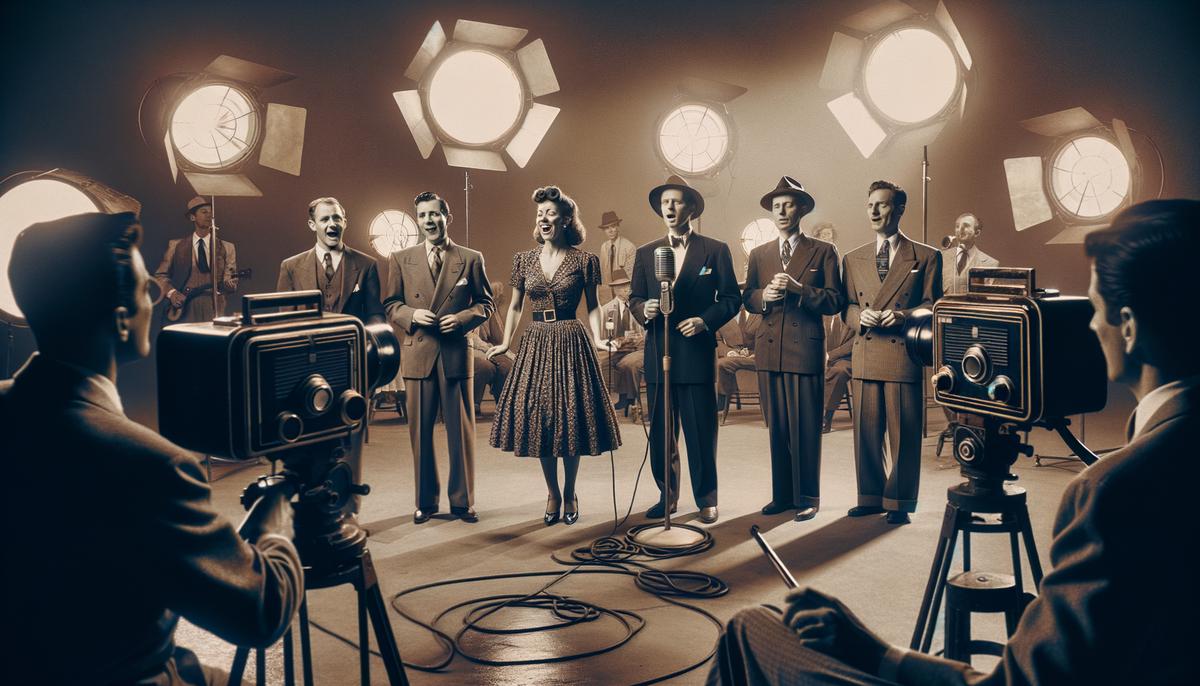
In the 1950s, television screens began captivating households, transforming family rooms into stages for jingles. These catchy tunes leapt from radio waves to flickering TV images. During their radio era, advertisers used short, rhythmic tunes to bypass regulations limiting direct product pitches. Wheaties led this charge, using barbershop-style harmony to promote their cereal.
On television, jingles grew longer, with visuals vying for attention. This wasn't merely radio's remnant—it was a celebration of melody and marketing, each jingle aiming for brand recognition.
Who could resist "Don't squeeze the Charmin," where Mr. Whipple tussled with shoppers over toilet paper? Or Campbell's Soup's heartwarming "Have You Had Your Soup Today?" These tunes embedded themselves in public consciousness.
Television jingles in the 1950s sold more than products; they offered lifestyles as familiar as nursery rhymes. Madison Avenue executives helped brands find voices in ear-catching loops. They created landscapes of desire and utility, inviting viewers to trust their cars to "the man who wears the star," harmonizing with post-war optimism.
By decade's end, jingles had become advertising's siren songs, claiming their territory with magnetic allure.
Impact of Jingles on Advertising
The 1950s marked a revolutionary period for advertising, carried on catchy jingle notes. These melodic cues nestled in people's minds, often lingering longer than milk on Rice Krispies. Jingles did more than entertain; they elevated brands from shelf options to beloved household names.
Advertising evolved from stern salesmen to artists, using music to forge emotional bonds between people and products. Jingles crafted experiences, embedding brands like Campbell's Soup and its comforting "Have You Had Your Soup Today?" into domestic life.
Jingles' influence extended beyond catchy tunes. Advertisers found that bookending days with the same tune could shape shopping habits. Families bonding over cereal to "Snap, Crackle, Pop" created an audible reminder of brand loyalty—a nod between buyer and seller, transforming transactions into trusted relationships.
In the vibrant rock-and-roll age, these jingles became anthems of new consumerism, coaxing wallets open as quickly as lips broke into song. Their lasting impact lay in fostering such memorable brand recognition that consumers sang without realizing they participated in marketing masterpieces.
Iconic Jingles of the 1950s
The 1950s gave us TV jingles that were more than catchy tunes—they were cultural anthems tapping into an era of optimism and innovation.
- The unforgettable "Snap, Crackle, Pop" from Rice Krispies didn't just animate cereal; it was a marketing triumph from Leo Burnett's campaign, captivating kids and adults alike.
- "You Can Trust Your Car to the Man Who Wears the Star" for Texaco didn't just boost brand loyalty; it elevated gas station attendants to star status.
- The cheeky charm of "A Finger of Fudge is Just Enough to Give Your Kids a Treat" by Cadbury became synonymous with moderate rewards for children.
- "Don't Squeeze the Charmin" and Mr. Whipple's antics were iconic, entertaining while informing about consumer choice and comfort.
These jingles reflected 1950s cultural shifts. Using clever lyrics and memorable music, they allowed listeners to sing along with their generation's dreams, leaving a legacy that still resonates today.
Legacy and Revival of Jingles
In today's digital advertising world, 1950s jingles resonate like cozy whispers from the past. These snappy, melodious hooks linger, regardless of passing years. They left an indelible mark on advertising, crafting a legacy that endures with familiarity.
Jingles' power lies in distilling a brand's essence into short, catchy tunes that burrow into our subconscious. This approach turned 1950s TV sets into showcases, solidifying jingles as marketing marvels. Businesses across sectors adopted this musical genius to create memorable brand experiences.
Today, echoes of those golden jingle days are resurfacing in marketing, albeit remixed. There's growing recognition that amidst digital white noise, jingles' simplicity and stickiness might be the revival song brands need. While we scroll more than channel-surf, jingles and their modern cousins, "earworms," still sneak into our lives.
Marketers are revisiting this melodic advertising approach, seizing opportunities to forge quick, emotional connections in a world craving authenticity and nostalgia. Brands cleverly capitalize on this, creating fresh jingles or updating classics, tapping into shared experiences that evoke communal nostalgia while grooving to present beats.
The return of jingles and earworms in modern marketing nods to the 1950s melodies that so effectively tickled American sensibilities. As old meets new, we can appreciate the chime-like contributions of past radios and TV sets, anticipating how jingles will crescendo into the future.

As we look back on the jingles of the 1950s, it's clear they did more than just sell products—they became a soundtrack to an era. These catchy tunes not only captured the spirit of their time but also forged lasting connections with audiences. Their legacy reminds us that sometimes, the simplest melodies can leave the most enduring impressions.
- Timothy D. Taylor. The Sounds of Capitalism: Advertising, Music, and the Conquest of Culture. University of Chicago Press; 2012.
- Klein B. As heard on TV: Popular music in advertising. Ashgate Publishing, Ltd.; 2009.
- Huron D. Music in advertising: An analytic paradigm. Musical quarterly. 1989;73(4):557-574.