
The Woolworth's Experience
Stepping into Woolworth's in the 1950s was like entering a shopper's paradise. The wooden floors creaked beneath your feet as you explored aisles filled with everything from toys to household essentials. The sweet smell of Pick and Mix candies mixed with the aroma of roasting peanuts near the entrance.
For kids, it was heaven. A penny could buy you a "gold" ring, though bending it too much might lead to a swollen finger! The soda fountain was the crown jewel, where perching on a stool with a frothy ice cream soda made you feel special.
Woolworth's wasn't just about buying stuff; it was an event. You could find dress patterns, records, or Christmas decorations all in one spot. The lunch counter offered affordable meals like the famous 62-cent turkey dinner.
In bigger towns, Woolworth's was a cultural hub. It fit right in among produce markets and fancy department stores in places like downtown Tacoma, bridging the gap between necessities and simple pleasures.
Nostalgic Memories and Traditions
Woolworth's held a special place in many hearts, especially during the holidays. Families would bundle up and head to the store, excitement bubbling as they picked out wrapping paper and toys. The lunch counter became a cozy spot for sipping hot chocolate and sharing stories over grilled cheese sandwiches.
The Pick and Mix section was a highlight, with glass jars full of colorful candies. Kids loved filling wax paper bags with their favorite sweets, creating a tasty souvenir of their visit.
These memories often bring a smile to people's faces. Woolworth's was more than just shopping; it was where traditions were born. From playing hide-and-seek in the aisles to picking out Christmas ornaments, the store was woven into the fabric of community life.
Holiday Highlights at Woolworth's:
- Festive window displays
- Santa's grotto visits
- Choosing Christmas tree decorations
- Buying gifts for family and friends

Woolworth's Role in Community and Culture
Woolworth's was a social hub that brought people together. It was like a community kitchen table where everyone felt welcome, regardless of their background. The stores were important to local economies, creating jobs and drawing customers to main streets across the country.
Beyond commerce, Woolworth's played a significant role in American history. The lunch counters became famous for civil rights sit-ins during the 1960s. In Greensboro and other cities, brave individuals challenged segregation by demanding equal service. These peaceful protests helped spark wider changes in society.
"It seemed the most public and most egalitarian of places," says historian Michael Sullivan. "Everyone, it seemed, shopped at Woolworth's."
While the stores may be gone, Woolworth's impact on communities and American culture remains. It was more than just a place to shop – it was where people connected, traditions formed, and sometimes, history was made.
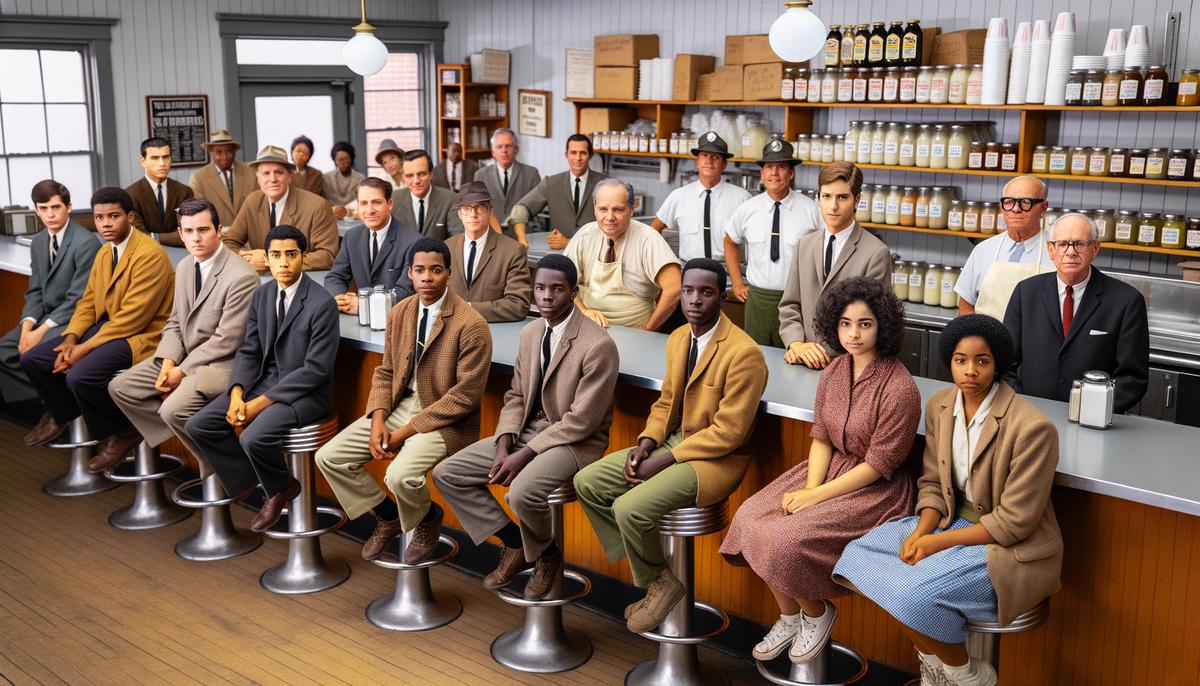
Woolworth's was more than a store; it was a cherished piece of community life, where the simple joys of shopping intertwined with the vibrant weave of social and cultural connections. The memories it created continue to resonate, reminding us of a time when every visit was an opportunity to share in something truly special.
- Sullivan M. Woolworth's: A Landmark of Local History and Architecture. Tacoma Historical Society. 2011.
- Smith J. Memories of Woolworth's: A Childhood Perspective. Journal of Retail History. 2015;24(3):112-128.