
Economic Boom and Consumerism
The year 1952 was a time of economic growth in America. The government was spending big on infrastructure, schools, and even space programs. This led to a surge in jobs and rising income levels for many.
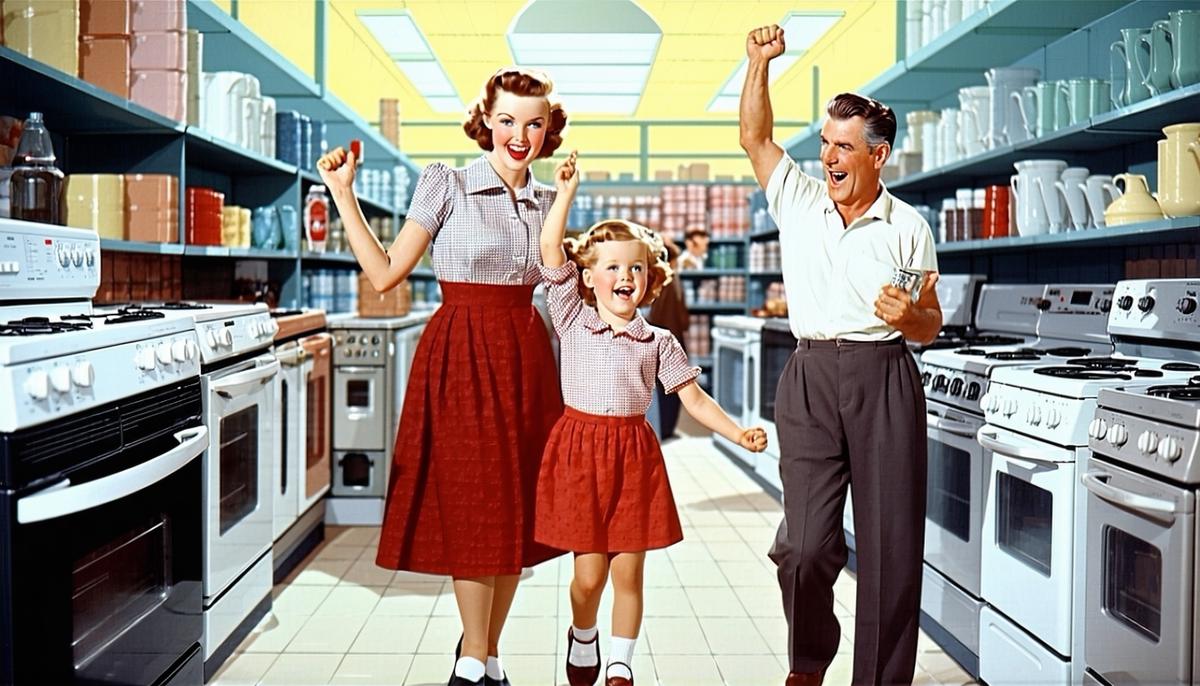
With more money in their pockets, folks went on buying sprees. Consumer goods like refrigerators, televisions, and cars were flying off the shelves. Household appliances became the new must-haves, promising to make life easier.
The auto industry was booming too. Cars weren't just vehicles; they were status symbols. Families hit the highways for adventures, embracing the freedom of the open road.
It's worth noting that not everyone got to enjoy this prosperity. But for those who did, it was a time of optimism and a splash of zany consumerism.
Housing and Suburban Expansion
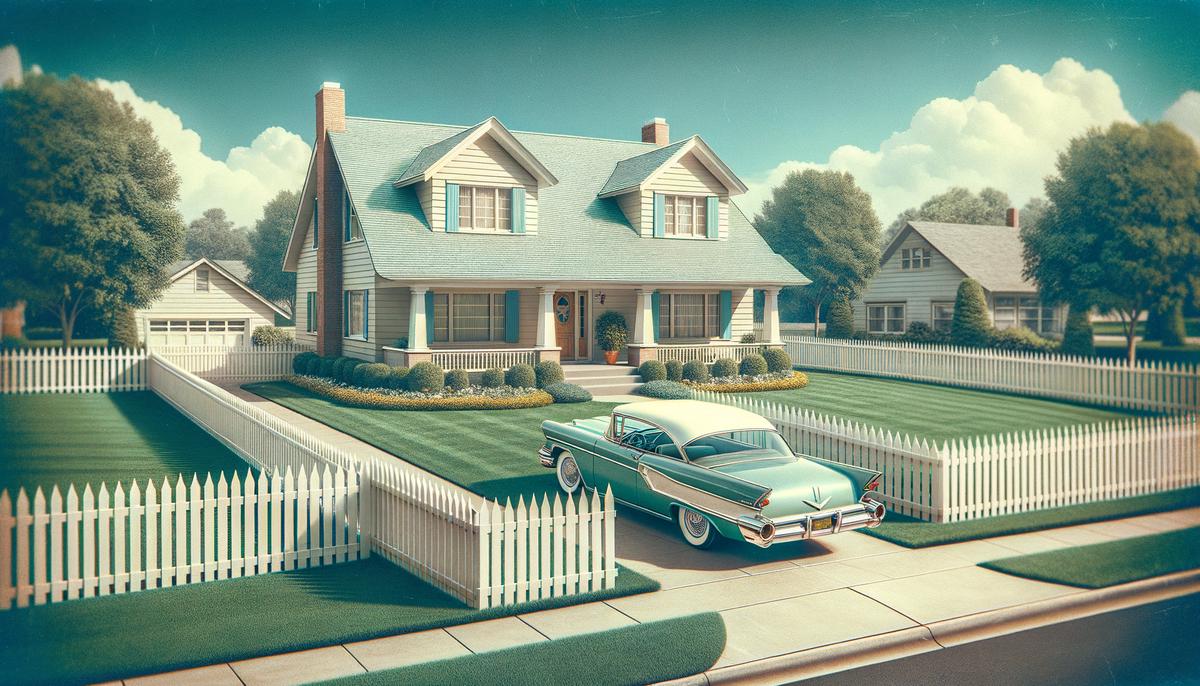
The 1950s saw America's housing market bustling. Thanks to the G.I. Bill, many veterans returned home to the possibility of owning a cozy house in the suburbs. These homes weren't just structures; they were gateways to the American dream.
Imagine neighborhoods with freshly mown lawns and kids trading baseball cards on the sidewalk. It was as idyllic as a Norman Rockwell painting. This suburban boom fueled the growing middle class who found themselves planting roots in communities designed for serene living.
But not everything was perfect. There were still racial barriers that kept some families from claiming their slice of suburban paradise. These gaps left a sour note on an otherwise sweet symphony.
The suburbs became hotbeds of change, altering American life. They brought new ideas of community, where Saturday barbecues became tradition and streets brimmed with post-war optimism. The suburban expansion shaped how people lived, worked, and connected, starting trends that are still felt today.
Cost of Everyday Items
In 1952, you could walk into a store with just a few bucks and feel like a big spender. Here's a glimpse of what your money could buy:
- A hamburger: 12 cents
- A gallon of gas: 27 cents
- A wool suit: $45
- Most other clothes: Under $5
- A new car: Starting at $1,510
These prices might make you yearn for a time machine! Cars rolled off assembly lines with chrome and color that made the roads a sight to see. There's no denying that inflation has sent prices soaring over the years. But looking back at these prices gives us a glimpse into a time when a dollar stretched further and life seemed a bit simpler.
Income and Employment
In 1952, the job market was lively. The country was riding high on that post-war industrial boom, and jobs were plentiful. Here are some key figures:
- Average household income: Around $3,300 a year
- Minimum wage: 75 cents per hour
While it might seem low today, back then that minimum wage could buy a couple of ice cream sodas and maybe even a record for the phonograph.
It's important to note that these good times weren't universal. Racial and gender inequalities still existed, often leaving African Americans and women at the end of the employment line.
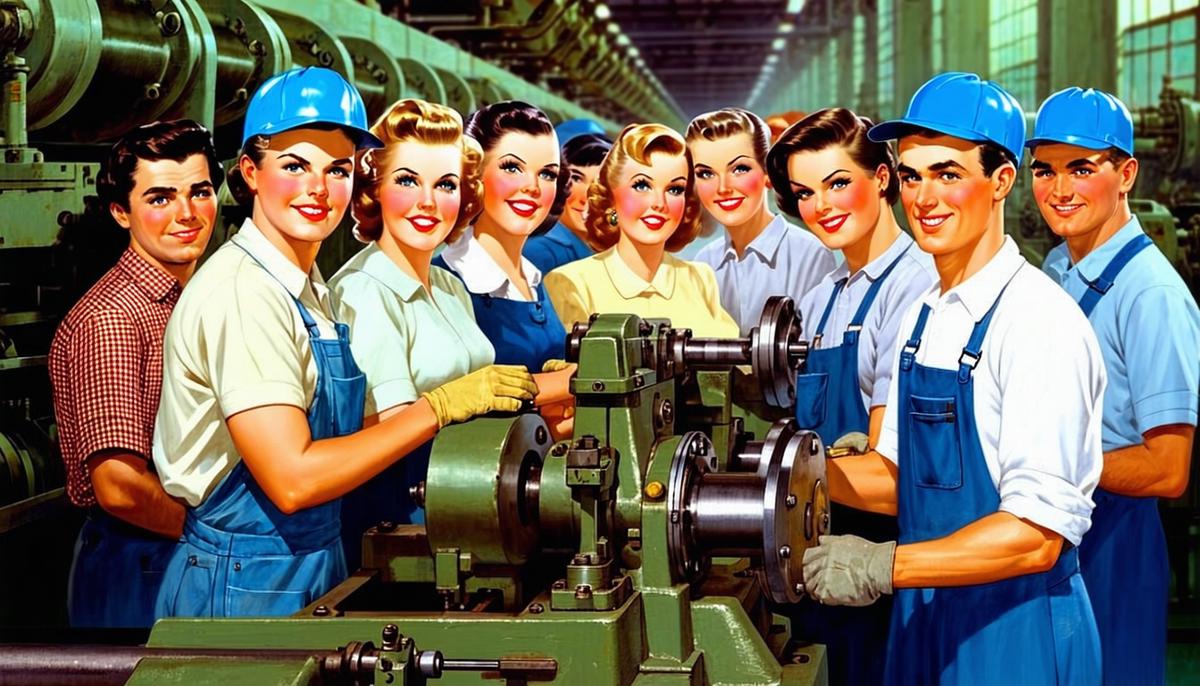
For those who did find work, jobs were often stable. Manufacturing plants were humming, churning out everything from cars to household gadgets. These steady jobs helped fuel the era's consumer culture and set the stage for many family success stories.
Cultural and Social Dynamics
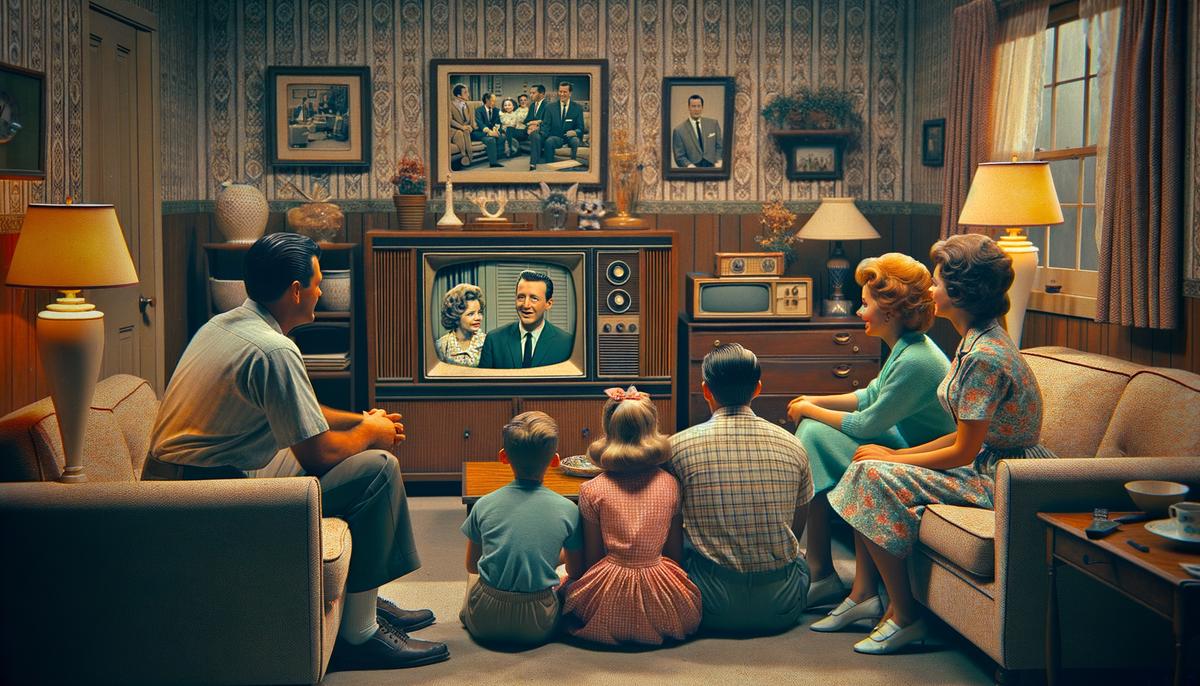
Television was becoming a central part of American life in 1952. Shows like I Love Lucy and Father Knows Best brought families together around the TV set. This boom in television influenced both culture and consumer habits.
The music scene was changing too. Rock 'n' roll was on the rise, shaking things up and becoming a hot commodity for teenagers.
Gender roles were still pretty set. Men were expected to be breadwinners, while women mostly focused on homemaking. But change was brewing, with more women starting to enter the workforce.
The civil rights movement was gaining momentum, challenging social conventions and highlighting disparities in access to resources like education, housing, and employment.
All these elements – from TV shows to music, from gender roles to civil rights – wove together to create the unique fabric of 1950s American life. They influenced not just the cost of living, but how we remember this colorful era in our nation's history.
Reflecting on the 1950s, it's clear that this era was a blend of optimism and burgeoning consumerism. The economic landscape, while not without its shadows, offered many a taste of prosperity and the American dream. As we reminisce about those days, the vibrant cultural shifts and societal changes continue to echo, reminding us of a time when life seemed both simpler and full of promise.
- US Census Bureau. Income and Poverty in the United States: 2017. Washington, DC: US Government Printing Office; 2018.
- Levittown Historical Society. The Building of Levittown. Levittown, NY: Levittown Historical Society; 2020.
- National Park Service. Civil Rights Movement. Washington, DC: US Department of the Interior; 2021.