
The 1950s were a time of transformation in America, marked by population growth and optimism. As families expanded, suburban living rose alongside economic prosperity and cultural shifts that redefined the American Dream.
Demographic Surge
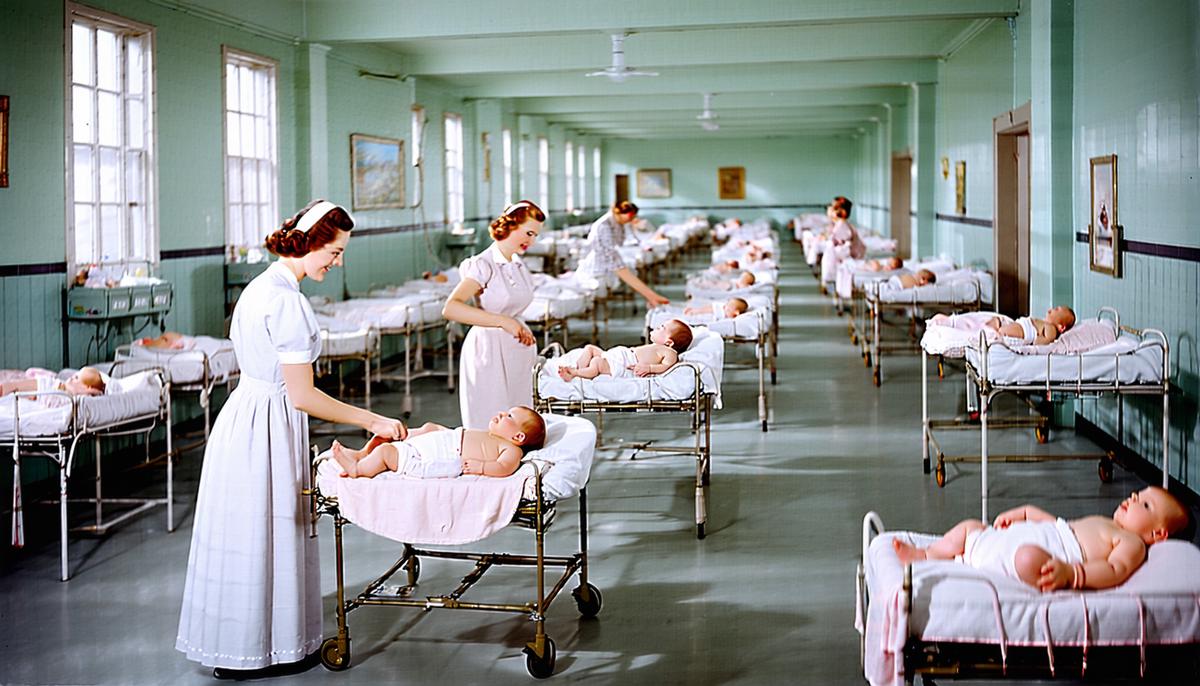
1957 was a wild ride for cradles across the United States. Folks were still feeling the after-burn of World War II’s conclusion, and this enthusiasm partly had people racing to start families. The sense of optimism was contagious. When you’ve got a country full of folks high on the belief that life was gonna be just peachy, those babies came fast.
Economic prosperity backed this baby boom. Jobs were plentiful, and the country was in an industrial boom. Wages were rising, and men came home ready to set up households with white picket fences and wagons full of children.
Young families moved to the suburbs like ants to a picnic. Houses sprouted up with familiar layouts – typically a two-bedroom setup with one bathroom, perfect for the crew. These families seemed to multiply faster than rabbits.
The iconic suburban mama was a real deal. Mothers donned the role of homemaker, and it was a full-time gig. They crafted a homey picture, knitting family gatherings together like a patchwork quilt.
Society was shifting, and these years marked just the beginning of questioning the status quo. But what seemed to dominate was a booming belief in progress and growth – a literal and figurative explosion of people eager to embrace suburban life.
By sheer numbers, there’s no question about it – babies were arriving on the scene fast. While change was looming, the late ’50s felt like a Kodak moment, capturing a rapid expansion that would shape generations to come.
Economic Influence
Consumerism skyrocketed with the baby boom. With so many young families, there was a rush on everything – tiny clothes, toys, and shiny new appliances. The 1950s took keeping up with the Joneses to new heights, with families flaunting their latest purchases. Advertisers had a field day, treating the nation to catchy jingles and commercials to keep wallets open.
The suburbs bloomed like daisies after a spring rain. Demand for housing shot through the roof. Rows of cozy homes popped up; it was a real estate adventure. The suburbs promised the kind of life you’d see smiling back at you from a cereal box – space for kids to play catch and neighborhood cookouts.
The job market was the unsung hero of this era. With so many new mouths to feed, the demand for jobs was high. Industries boomed, churning out opportunities. Folks sought not just a job but the security of a career. America’s economic engine was purring along sweetly.
All in all, the baby boomers set the wheels of change in motion – economically, culturally, and socially. This was a time full of hope and prosperity that fueled a societal engine like nothing before. These were days of promise, and their children grew up believing in limitless possibilities.
Cultural Shifts
Family dynamics got a fresh coat of paint in the 1950s. You had your traditional roles with dads as breadwinners and moms mastering roast dinners, but it wasn’t long before those patterns began to shake. With more women entering the workforce and pursuing higher education, the old script was getting some unexpected plot twists.
Suburbia became the poster child for post-war living. These neighborhoods were expanding fast. Every street corner seemed to introduce a new family, and before long, new schools, churches, and parks sprouted up. It was a community builder’s dream as whole lives and friendships blossomed in neatly trimmed front yards.
The real magic came from youth culture, which emerged from rock ‘n’ roll and the shuffle of saddle shoes across dancefloors. Teenagers crafted a world of their own in soda shops and drive-ins, with transistor radios growing hotter than summer asphalt. It was a cultural shift as the younger set began dictating trends and pushing boundaries.
This brand-new youth culture got to decide the beat for America, and the rhythm was all their own. Every spin of the record player brought something old made refreshingly new. It was an unsettled yet electrifying energy that, if bottled, would’ve out-sparkled the brightest of diner neon signs.
The baby boom wasn’t just about adding chaos to bustling households. It was about shifting how we saw ourselves living and dreaming. It laid the groundwork for what families of tomorrow might look like – a more inclusive reflection of a time when pushing boundaries became almost as essential as the family dinner plate.

Educational Demands
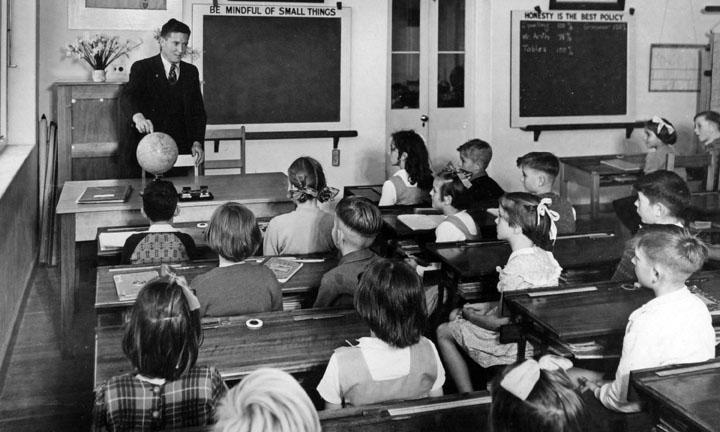
With each child adding to the symphony of suburbia, schools were bursting at the seams. Education was calling for more teachers and classrooms faster than you could say “extra credit.”
School districts were scrambling to keep up, erecting new buildings quickly. Take Los Angeles County, where schools sprang up like popcorn in a hot pan. With crowded classrooms, educators had their hands full trying to impart knowledge while managing mayhem.
The demand for fresh-faced, passionate teachers was strong. These educators were tasked with shepherding the next generation into the world of reading, writing, and arithmetic. Imagine teachers with arms full of textbooks, facing packed classrooms like farmers at harvest.
Education in the 1950s was changing, with curricula needing to reflect a fast-evolving country. Schools had to adapt and invent creative solutions. Libraries expanded with tales to light imaginations, while extracurricular activities mushroomed to nurture budding talents.
There was an increasing emphasis on diverse learning, igniting a spark within each student by offering not just basics but cultivating curiosity. Schools began planting seeds of critical thinking, eager to cultivate minds that could tackle any problem.
This period in education felt like spinning a kaleidoscope, with each turn offering a burst of new color and potential. The challenge of accommodating this demographic wave was a testament to the spirit of innovation that defined the era. As these boomers marched along their educational journey, they carried the promise of individual success and future possibilities.
Long-term Effects
The baby boomers weren’t just lightning in a bottle – they were a whole thunderstorm of change, stirring up our collective tea. Fast forward a few decades, and you can see their fingerprints all over the place, tracing new stories and shifting the way society ticks.
As they grew older, they reshaped societal norms. Sure, some folks scoffed at the rise of “the individual,” but our boomers embraced this ethos, finding ways to express themselves in everything from tie-dye shirts to stock portfolios.
Their influence didn’t stop with them. They passed that torch onto their kids, imbuing subsequent generations with the chutzpah to question the status quo and carve out new dreams. The generations that followed broadened our understanding of inclusivity and diversity.
Boomers had a mighty impact on economic trends too – turning retirement and real estate into front-page news. As they marched into their golden years, they brought new challenges and opportunities for financial wizards to wrangle. What would Social Security do under their collective demand? How could retirement plans adapt?
When the babies of 1957’s historic boom reached adulthood and eventually their golden years, they presented challenges no one fully anticipated. This unprecedented surge in population placed immense pressure on systems designed for smaller, slower-growing generations. Social Security faced a monumental test as a vast wave of retirees began drawing benefits, far outpacing contributions from the working population. Retirement plans, many built on outdated assumptions about life expectancy and workforce ratios, struggled to adapt, leaving gaps that financial institutions scrambled to fill. Healthcare systems, too, were stretched thin, as demand for geriatric care soared beyond capacity. In response, policymakers and economists devised stopgap measures—raising contribution rates, increasing the retirement age, and incentivizing private savings plans. While these efforts mitigated the immediate crisis, they sparked debates about intergenerational equity, systemic sustainability, and the long-term viability of safety nets in a rapidly aging society.
In the end, boomers left a legacy of influence that’s as alive today as barbecue smoke wafting from backyard cookouts. Their enthusiasm transformed how we view work, family life, and modern conveniences, ensuring they’ll long be remembered as the generation that defined and rerouted post-war culture in surprising ways.
As we look back on this pivotal time, it’s clear that the baby boomers played a big role in shaping the future. Their influence can still be felt today, as they set the stage for a society that values growth, innovation, and the pursuit of happiness. The legacy of this era continues to inspire us to dream big and embrace the possibilities ahead.
- U.S. Bureau of Labor Statistics. Number of Jobs, Labor Market Experience, Marital Status, and Health: Results from a National Longitudinal Survey. 2019.
- U.S. Census Bureau. Population Estimates, 2020.
- Transamerica Center for Retirement Studies. 20th Annual Transamerica Retirement Survey of Workers. 2020.
- Social Security Administration. The 2023 Annual Report of the Board of Trustees of the Federal Old-Age and Survivors Insurance and Federal Disability Insurance Trust Funds. 2023.
- The Brookings Institution. The Longevity Economy: Generating Economic Growth and New Opportunities for Business. 2021.