
Three-On-The-Tree
Ah, the thrill of the open road and the clatter of gears under your fingertips—three-on-the-tree had its own special magic. Shifting gears was a real art form. You'd pull down for first, push up for second, and then slide all the way down for third like you were playing a melody only your car could sing.
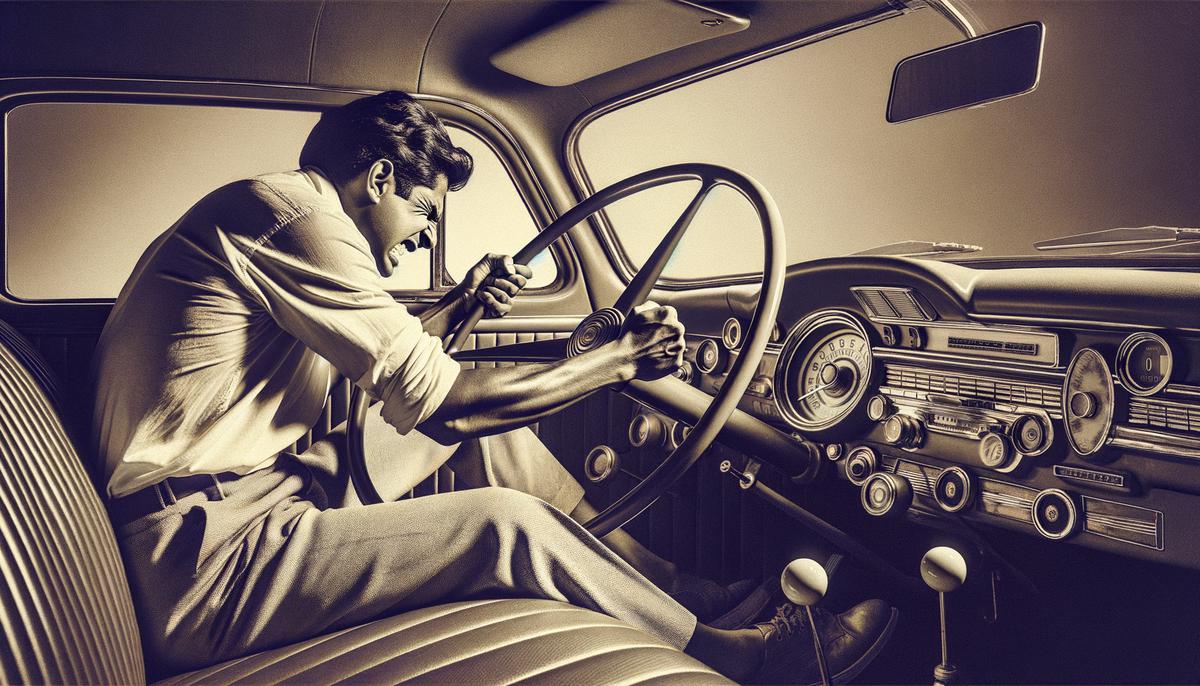
Driving without power steering…now that was a workout! You'd wrestle with the wheel, hoping to wrangle that beast of a car into submission. Remember sitting there, one foot on the gas, the other ready to stomp the brake, as you maneuvered that wheel around a tight corner? It's a feeling that sticks in your bones.
And who could forget climbing into those long benches that practically doubled as couches? Buckle up? Forget it—just slide right in. It was all part of the charm, that sense of freedom as you cruised down a sun-dappled lane, the radio crackling a tune that made you want to tap your heel against the floorboard.
Parallel parking was the real test. Spot a space? Check. Roll down the window to peek back? Check. Then it was all about slowly easing your ride in, turning the wheel with a mix of prayer and muscle. It wasn't just parking; it was an event.
Three on the tree? It taught driving in its purest form. Hands, feet, and gears worked in an intricate ballet that only the driver and the car could know. Such a dance was not just about control, but about the thrill of harnessing horsepower with nothing more than muscle and will.
Lack of Power Steering
Let me tell you, piloting a car without power steering was no walk in the park. Every time you pulled into a driveway or edged into a parking spot, you'd feel the heft of the wheel fight against your hands. Your arms weren't just for waving hello; they were your power—your raw, human power.
Turning became more of a mind game, a tactical challenge. You had to think ahead, plan your moves like a general mapping out a battlefield. You didn't just turn the wheel; you prepared for it, anticipating that moment when the tires finally gave in and followed the path you'd carved out in your imagination.
To drive a car without power steering was to partake in a dance that relied less on finesse and more on fortitude. It was a give-and-take relationship—a conversation between man and machine that required a level of intimacy modern drivers might never know. It wasn't just about getting stronger physically but becoming more harmonized with your vehicle's quirks and character.
So, when you see a car from that era and think about those folks turning the wheel with determination, just remember: it wasn't just transportation—it was an exercise in character building. Each trip had a story, each drive a test, and every passenger along for the ride was in admiration of skills honed against the weight of the wheel and the promise of the open road.
Driving Culture of the 50s
Back in the 1950s, driving wasn't just a means to an end—it was the epitome of freedom and a rite of passage. The open road called out, and the urge to roll down the windows and let the breeze tousle your hair was irresistible. Cars weren't just vehicles; they were status symbols, cultural icons, and a canvas for personal expression.
During this golden era, families often took to the road for the quintessential American pastime: the road trip. Packing the whole brood into a sedan, armed with a picnic basket and a map—often with dubious accuracy—the journey was as important as the destination. The landscape whizzed by, each mile a story, the hum of the engine a constant companion.
The drive-in movie theater turned the car into the best seat in the house. Every weekend, cars lined up like couples at prom, ready to watch the latest flick under a canopy of stars. With the speaker perched on the window and the scent of popcorn wafting through the air, the car became a cozy cocoon of entertainment.
In town, cruising was an event unto itself. Teens would spend afternoons and evenings looping the main drag, gesturing to friends or catching someone's eye across the dashboard. The local diner might be the destination, but the true thrill was in the journey, in that shared camaraderie from one end of town to the other.
Cars in the '50s were flashy, embodying the optimism of the era with their chrome embellishments and vibrant hues. The sight of a two-tone Chevy gliding down the street was enough to make heads turn and conversations start. Owning the newest model was a hallmark of success, a nod to prosperity and the American Dream in high gear.
The 1950s was an era where cars didn't just ferry people about; they connected them. In these rolling rooms, life unfolded. Family arguments, heartfelt conversations, and wide-eyed childhood wonder—memories etched into the fabric of seats and the clicking of gears. Each Sunday drive down a country lane or every late-night joyride was not just about motion, but emotion—about staking a claim to independence and carving out a personal story.
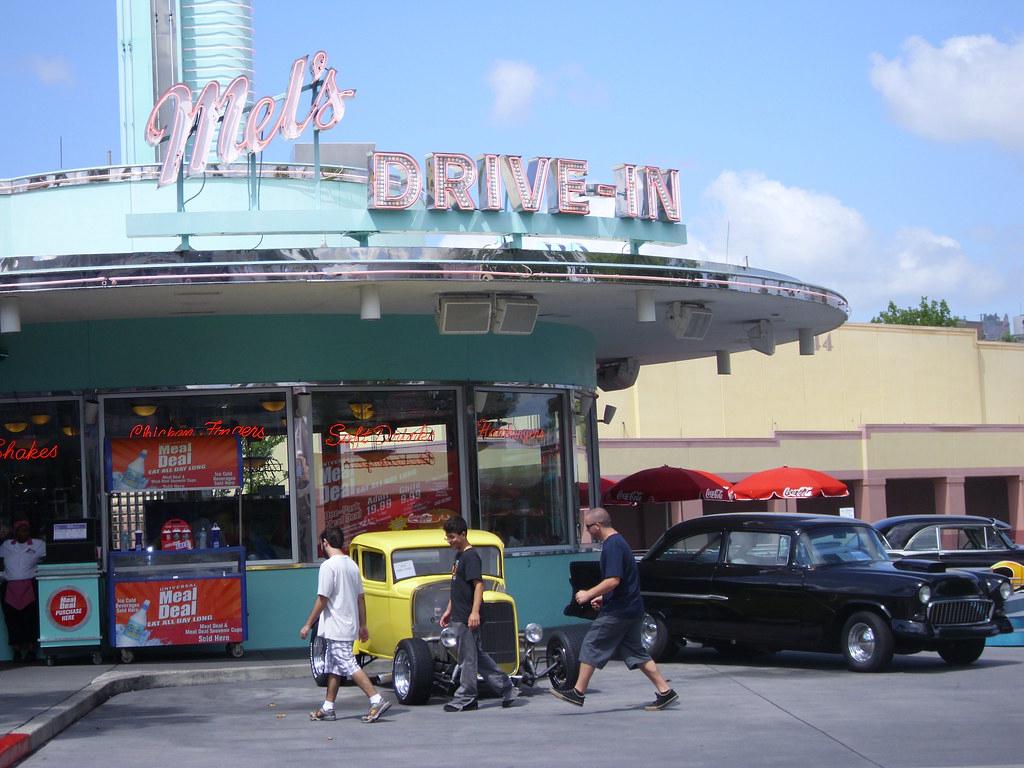
As we look back on the driving culture of the 1950s, it's clear that cars were more than just a means of transportation. They represented freedom, identity, and a sense of adventure. The stories from that era remind us that each journey was an opportunity to connect with others and experience life in its most vibrant form.
- Thompson S. The Model T Ford: An American Icon. Automotive History Press; 1985.
- Johnson R. Cruising Culture: American Car Culture in the 1950s. Vintage Publications; 2002.
- Davis M. The Evolution of Automotive Technology: A Handbook. Motorbooks International; 1992.