
The Essence of 50s Love Songs
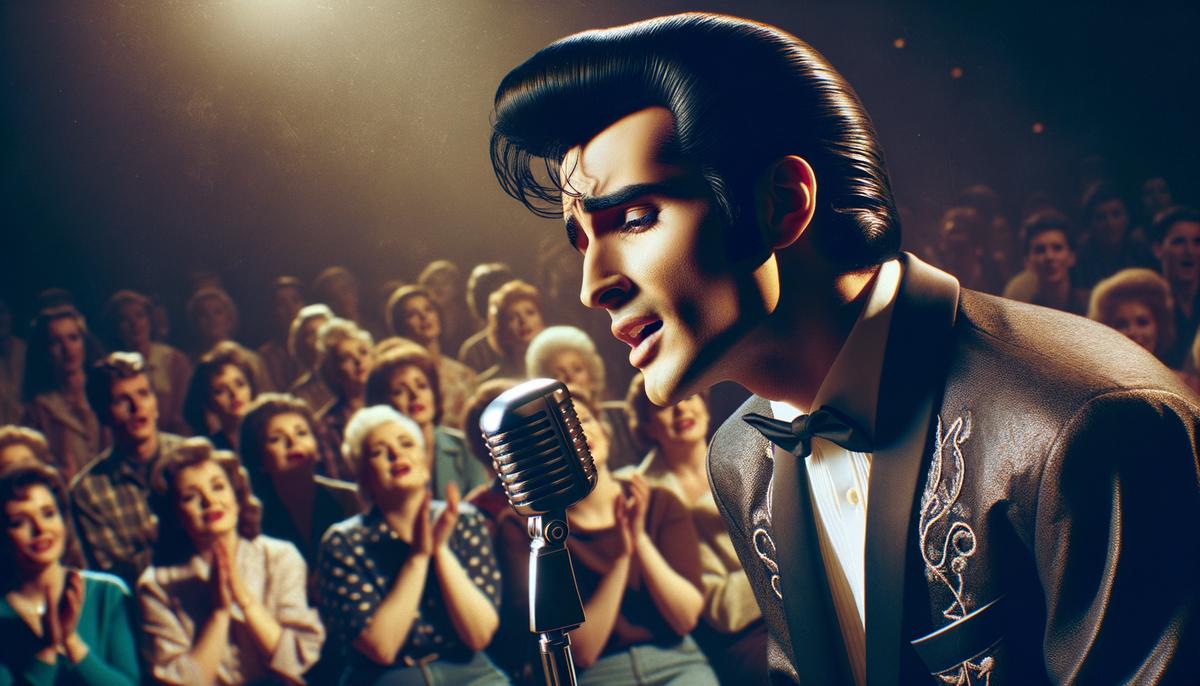
The 1950s brought us love songs that really hit home. These tunes were full of feeling, like they were wrapped in romance. Remember Elvis singing "Love Me Tender"? It wasn't just a song; it was all about tugging at your heartstrings. Folks would gather around their radios, swaying to those sweet melodies.
Picture a jukebox in the corner of a diner, where couples claimed booths and let the music sink in. Patsy Cline's "Crazy" is unforgettable, her voice smooth as can be. The 50s love songs were great at showing all kinds of feelings—the joy, the longing, and even the heartbreak.
Back then, song lyrics were carefully put together. The themes went from first love to unrequited feelings. This era wasn't shy about showing vulnerability. Frankie Valli's "Can't Take My Eyes Off You" made people dream of falling head over heels, while the Everly Brothers' "All I Have to Do Is Dream" painted pictures in your mind.
Musical Styles of the 50s:
- Doo-wop
- Rock 'n' roll
- Crooners
- Early R&B
The 50s had a sense of newness and excitement that showed up in the music. The world was bouncing back from harder times, and love songs thrived in that hopeful atmosphere.
These old tunes had a kind of simplicity and realness that's hard to find nowadays. They were more than just songs—they were like anthems of the heart, capturing what it means to be human and in love.
Technological Influence on Music
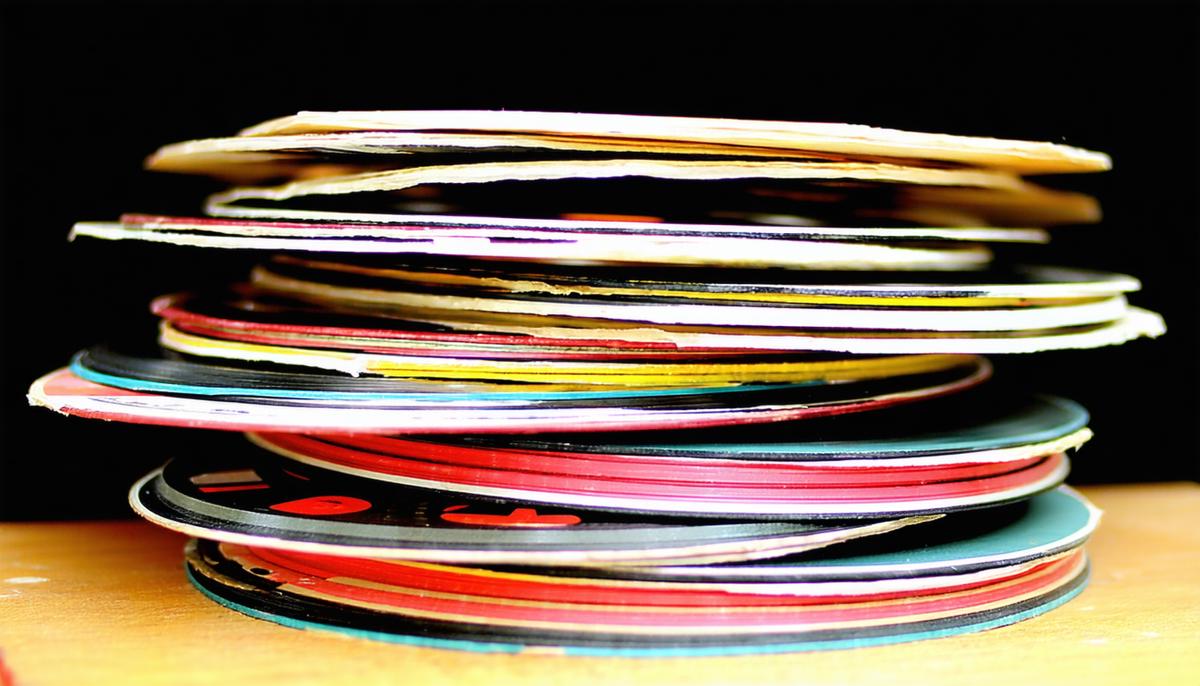
The 1950s saw a big change in how we listened to music. The shift from 78-rpm records to 45-rpm ones was huge. These new records were smaller, cheaper, and easier to carry around. This meant love songs could be enjoyed just about anywhere.
This tech upgrade didn't just change how we listened to music—it changed how it was made, too. Artists and producers had to get creative to fit their songs onto these shorter records. It was like trimming a love letter down to just the best parts.
"The medium is the message."
– Marshall McLuhan
Record companies worked hard to get these new discs into everyone's hands. Jukeboxes filled with 45s showed up in diners and dance halls, ready to get people moving to the latest hits.
All this new tech gave 1950s love songs their special sound. From the way they were recorded to how we played them at home, these advances helped shape the music we still love today. While we might use different gadgets now, there's still something special about the mechanical magic of those old 45s that keeps the spirit of 1950s love songs alive and kicking.
Comparing 50s and Modern Love Songs
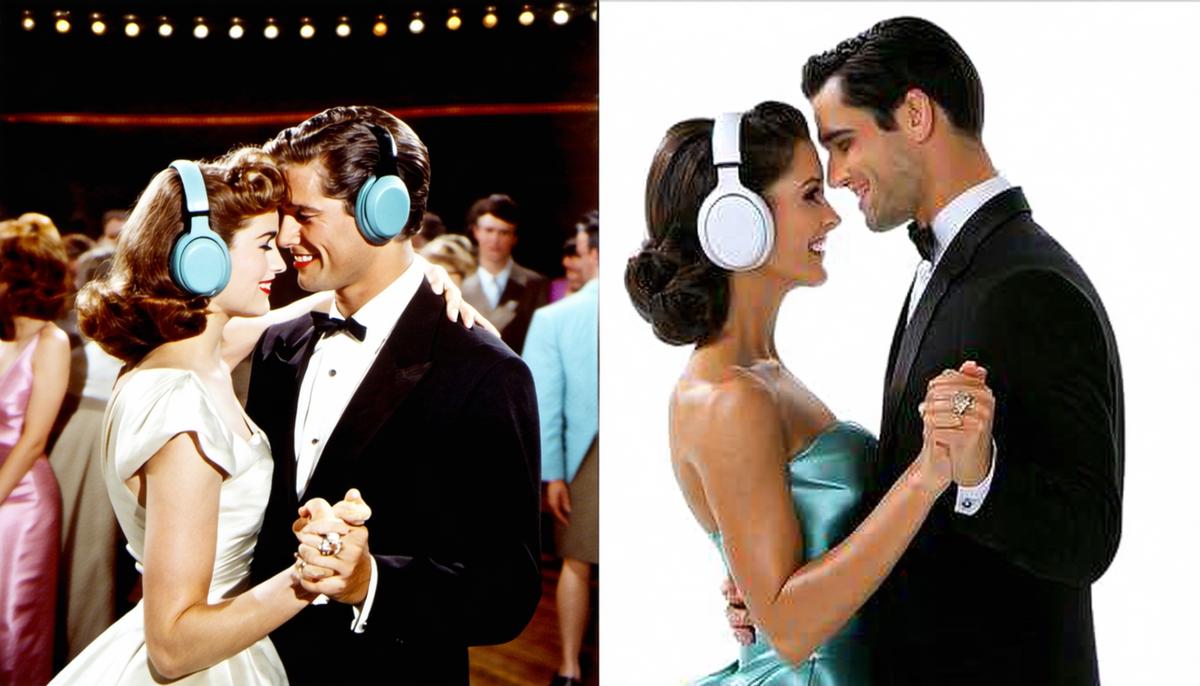
Comparing 1950s love songs to today's tunes is like looking at a classic car next to a new electric one. 50s songs were all about keeping things simple, with honest lyrics about love and heartbreak. They were direct and didn't mess around—just pure feeling set to music.
Today's love songs are a bit different. They often have more complex lyrics and use lots of different sounds. Artists like Ed Sheeran and Taylor Swift write about love, but they mix in other life experiences too.
Key Differences:
- Instrumentation: 50s – guitars and stand-up basses; Now – electronic sounds
- Lyrics: 50s – straightforward; Now – more varied and complex
- Themes: 50s – pure romance; Now – broader relationship topics
Back in the day, these songs gave people a way to express feelings when society was pretty strict. Now, love songs often talk about all the ins and outs of modern relationships, sometimes throwing in comments about society too.
So, are the old songs better at tugging at our heartstrings? It depends on who you ask. Some folks love the straightforward charm of 50s tunes, while others connect more with today's more varied takes on love.
In the end, whether it's an old 45 or a new hit, love songs are still doing what they've always done—helping us feel and share our emotions.
Cultural Shifts and Music
Love songs have changed a lot since the 1950s, just like our culture has. Back then, these tunes matched the times—sweet and simple, like going steady or sharing a milkshake. The lyrics were straightforward, all about that warm, fuzzy feeling of falling in love.
As time went on, things started to shift. The 60s and 70s brought new ideas about freedom and self-expression, and love songs followed suit. They started to explore different kinds of relationships and feelings. The Beatles, for example, sang about love as something bigger than just romance.
By the 80s and 90s, we got power ballads and pop anthems. These songs were bold and showy, just like the times. Love became something to declare loudly and proudly, with big hair and even bigger emotions to match.
Today's love songs reflect our complex world. They might talk about love through social media, or mix in jokes and self-aware comments. Modern lyrics often show how tricky relationships can be now, with all our technology and changing social rules.
Evolution of Love Song Themes:
- 1950s: Innocent romance
- 1960s-70s: Broader concepts of love
- 1980s-90s: Bold declarations
- 2000s-present: Complex relationships in a digital age
So, do these changes make love songs better or worse? It's kind of like choosing between comfort food and trying something new—both have their place. Today's songs might dig deeper into what love means now, but those old 50s tunes still have a charm that's hard to beat.
No matter the era, love songs keep doing what they do best—connecting with our hearts and showing us what love looks like in different times and places.
As we look back at 1950s love songs, it's clear why people still enjoy them. These simple, honest tunes capture something special about love that we can all relate to. Whether it's a gentle guitar or a heartfelt voice, these old songs remind us that while times change, true feelings stay the same.
- McLuhan M. Understanding Media: The Extensions of Man. McGraw-Hill; 1964.
- Billboard. The Hot 100 Chart.
- Spotify. Audio Features.