
The 1950s were a time when families found joy in simplicity and ingenuity. As modern conveniences began to take shape, people embraced practical wisdom passed down through generations. This era was about making life more enjoyable with less fuss, where every small effort added up to something meaningful.
6. Embrace Minimalism
The ’50s were about living smarter, not harder – channeling the essence of minimalism. Families made their homes tidy, efficient spaces with just the necessities. It’s about swapping knick-knacks for valuable experiences or well-made essentials. You invest in sturdy goods that could easily outlive a rock ‘n’ roll era. Why spend on a dozen gadgets when just a trusty blender would whip up a dreamy malt?
They’d lean towards quality over quantity. The upfront costs might make you gulp, but it beats re-buying the cheap stuff time and time again. They shifted focus from accumulating to appreciating. A simple, clutter-free life meant more time for sock hops and drive-in movies without the weight of unused clutter hanging around. Families focused on what’s essential, with a clear eye on savoring every moment and every penny saved.
"Whether we're talking about socks or stocks, I like buying quality merchandise when it is marked down."

5. Smart Grocery Shopping
In the ’50s, households nailed the art of smart grocery shopping. Moms armed with their shopping lists marched through the aisles of the local grocery store with focus. There were no spontaneous detours lured by flashy packaging—just a straightforward plan to feed the family without draining the pocketbook.
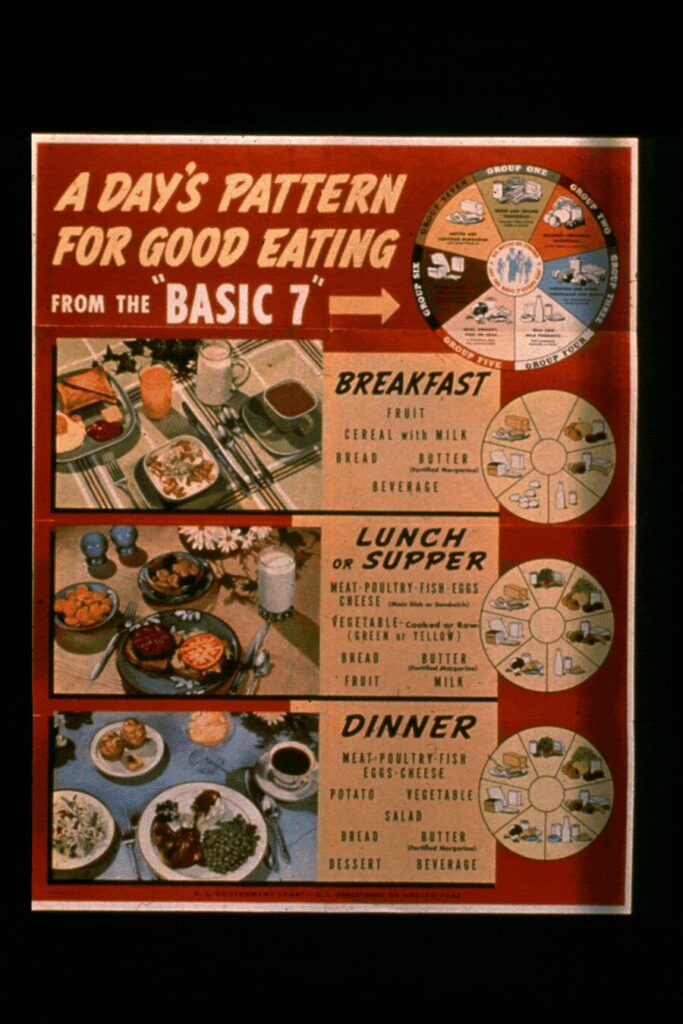
They’d plan meals for the entire week, keeping the family fed with hearty dishes and avoiding costly impulse buys. This habit didn’t just stretch the family budget, it also created room for those delicious family dinners. Buying staples in bulk was another savvy trick, securing pantry essentials at rock-bottom prices.
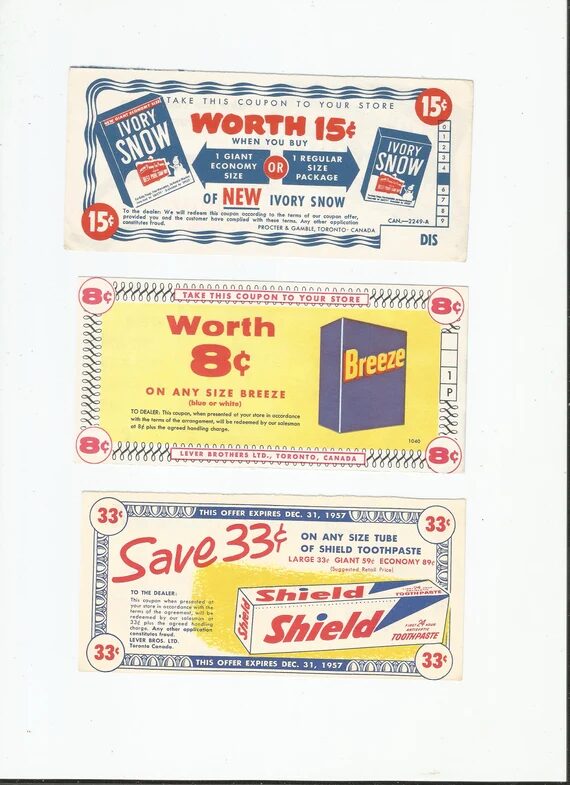
Remember those printed coupons clipped from the Sunday paper? Those little snippets were golden tickets to extra savings. Even as sock hops and jukebox tunes filled the air, families knew the value of stretching a dollar. They cooked up plans as thoughtfully as they stirred their stews, balancing nourishment and frugality.
- Plan meals for the week
- Buy staples in bulk
- Use coupons for extra savings
- Avoid impulse purchases

4. Optimize Household Energy Use
1950s families turned utility savings into an art form. They knew how to make each kilowatt count and every drop of water sing in harmony with their budget. While they might not have had smart thermostats, they knew a thing or two about energy efficiency!
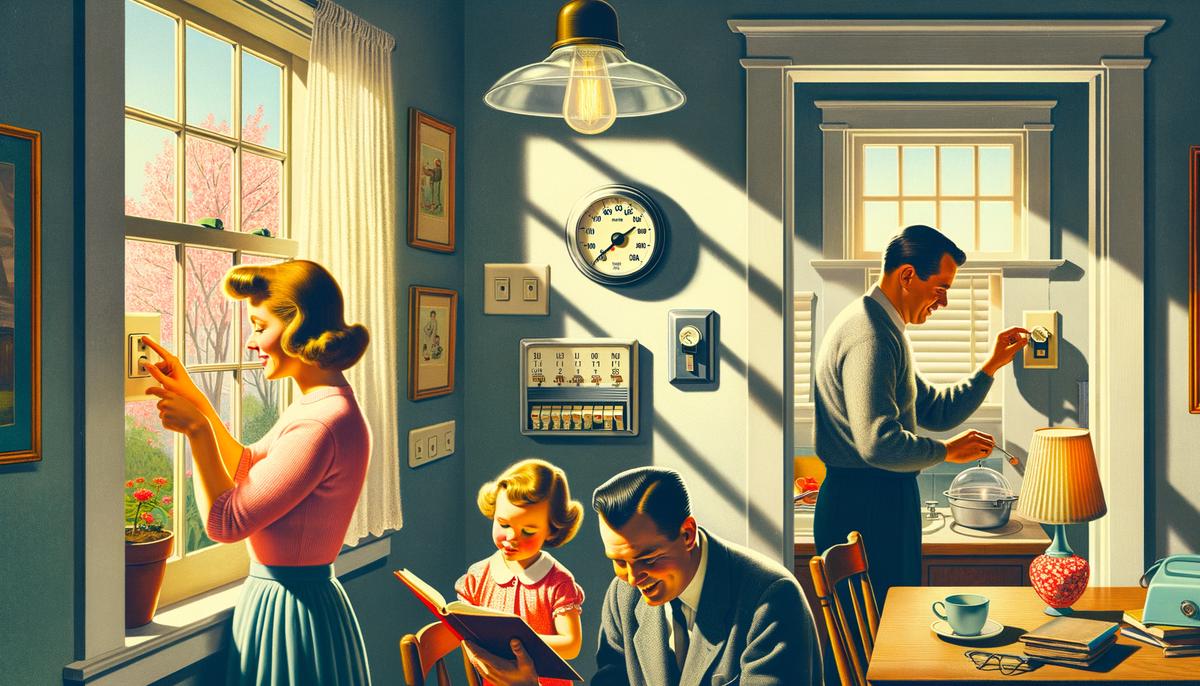
Conserving energy meant simple yet effective tricks like turning off lights when leaving a room or using natural sunlight to brighten their homes. They didn’t need fancy gadgets to save; they just had good old-fashioned common sense! Their approach was about working smarter, not harder—like using draft stoppers during chilly winters.

Today, we have energy-efficient appliances to help us catch up with these frugal habits. Modern smart home technology echoes the ’50s spirit of thrifty living, allowing us to reduce utility costs without breaking a sweat. It’s like updating a classic tune with a modern spin yet keeping that timeless melody of savings humming along.
3. DIY Home Maintenance
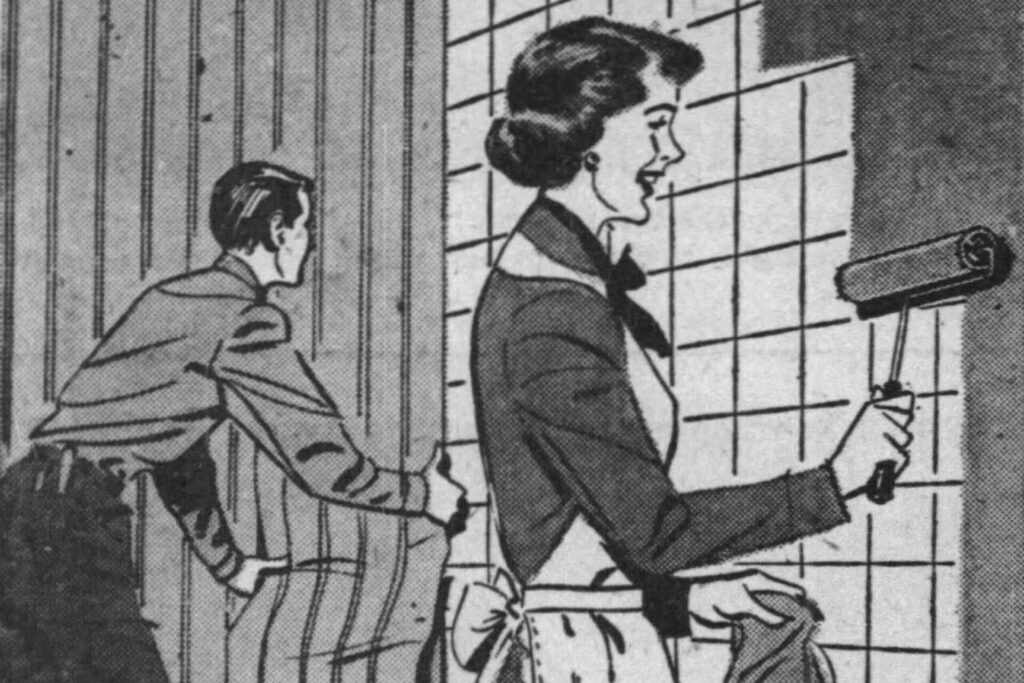
In the 1950s, folks didn’t rush to call a handyman; they embodied the roll-up-your-sleeves-and-get-the-job-done attitude. Families took pride in their homes, treating every creaky hinge and leaky faucet as a challenge to showcase their resourcefulness.
Today, the art of DIY is making a comeback, driven by both the satisfaction of self-reliance and the need to protect our wallets. Thanks to online platforms like YouTube, you’re never more than a click away from becoming the handyman or handywoman your home needs.
Learning these skills brings empowerment. You’ll find yourself fixing things with newfound savvy, admired by friends who were just a YouTube tutorial away from seeking your advice! Not only is DIY budget-friendly, but it’s also a nod to the ethos of the 1950s—a time when resourcefulness was king and a well-kept home played the backdrop to countless cherished memories.
2. Use Coupons Shamelessly
In the 1950s, families unapologetically donned their thrifty badges with pride, clipping coupons like pros and transforming saving money into an art form. They knew that every penny saved was a penny earned—and there was no shame in their coupon-clipping game!
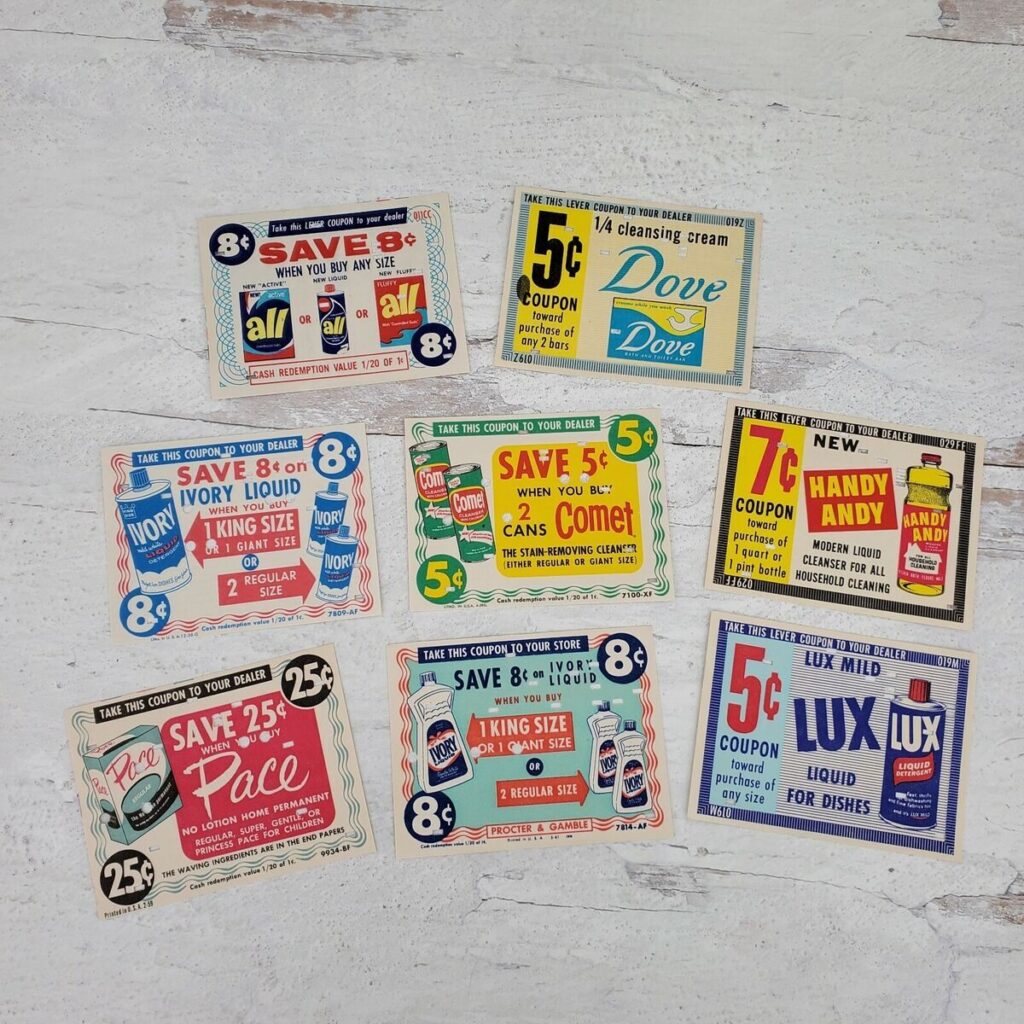
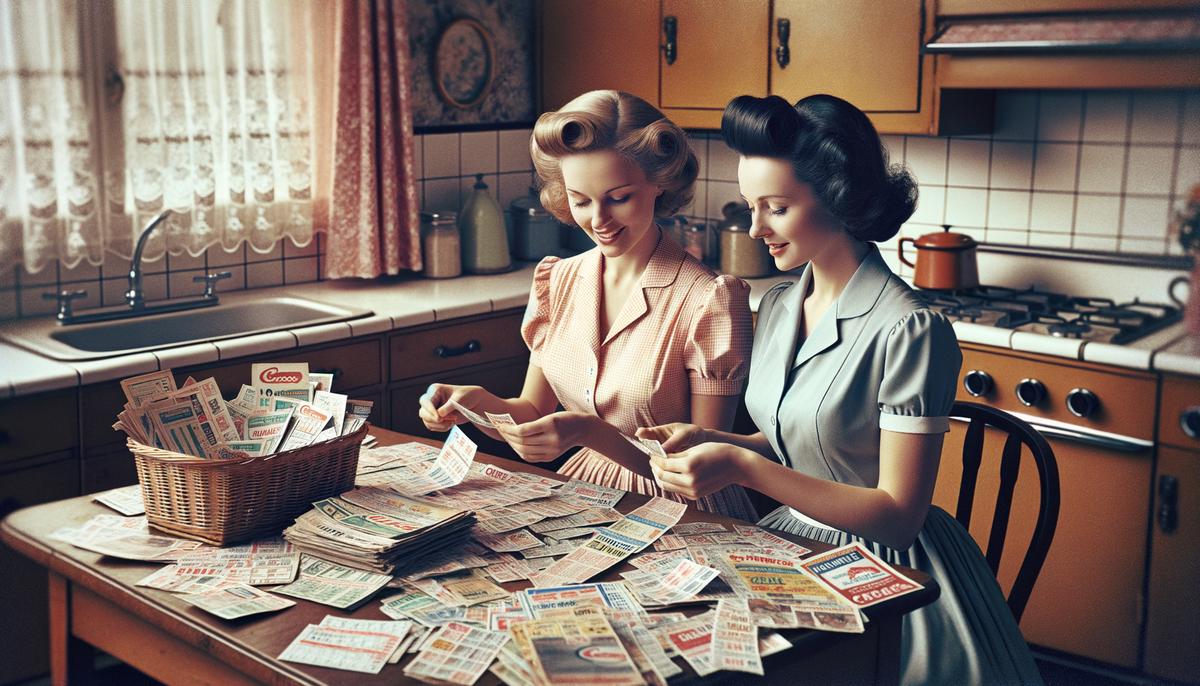
Coupons were keys to unlocking financial flexibility, a way to make every careful grocery list go the extra mile. Moms would swap and trade coupons, turning the whole affair into a social activity. Those little slips of savings were tucked into wallets and handbags and proudly presented at checkout, each one a testament to the household’s commitment to economical living.
Today, the humble coupon is still a savvy shopper’s best friend, albeit in a more digital guise. Think of apps and online platforms as the modern scissors, ready to snip away at costs with the same zeal as our mid-century mentors. Whether you’re scoring deals on crackers or cashing in on cereal savings, channel the philosophy of good ol’ 1950s frugality with every digital click and swipe.
Fun fact: Even billionaire Warren Buffett isn’t above using coupons. He once surprised Bill Gates by pulling out coupons to pay at McDonald’s!
1. Invest in Continuous Learning
In the 1950s, the pursuit of knowledge was a cherished endeavor. Families understood the importance of continuous learning and skill development, recognizing that the more you know, the larger the world becomes. The 1950s were not just about poodle skirts and jukebox tunes but also about broadening horizons.
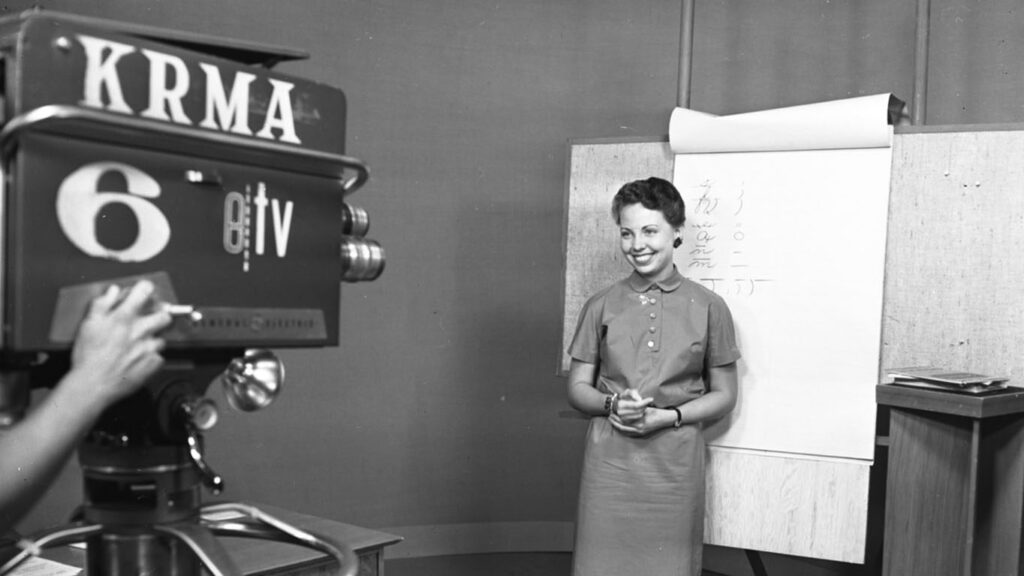
Whether through DIY magazine articles, evening community classes, or library visits, the thirst for knowledge was common. Parents encouraged their children to study hard and explore new interests, knowing that a well-rounded education was key to future success.
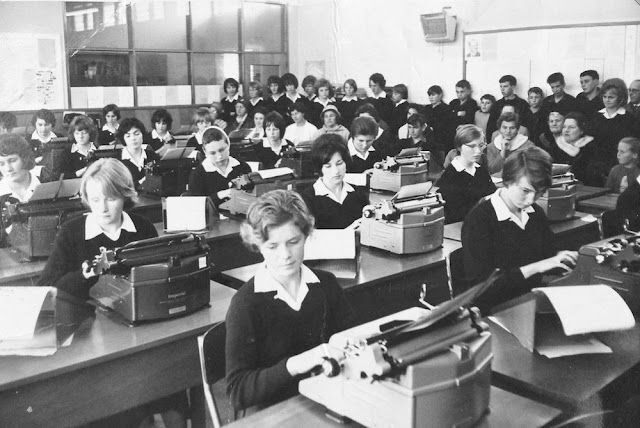
Even today, the spirit of continuous learning remains a trusty path to managing the changing landscape of careers and technology. While we might swap library cards for online courses and webinars, the essence of lifelong learning remains the same—a commitment to growth and adaptability. Whether trying a new hobby or enhancing professional skills, each learning step is a nod to the bygone era that championed curiosity and self-improvement.
- Take advantage of free online courses (MOOCs)
- Attend webinars in your field
- Read industry blogs and publications
- Learn new skills through tutorial videos
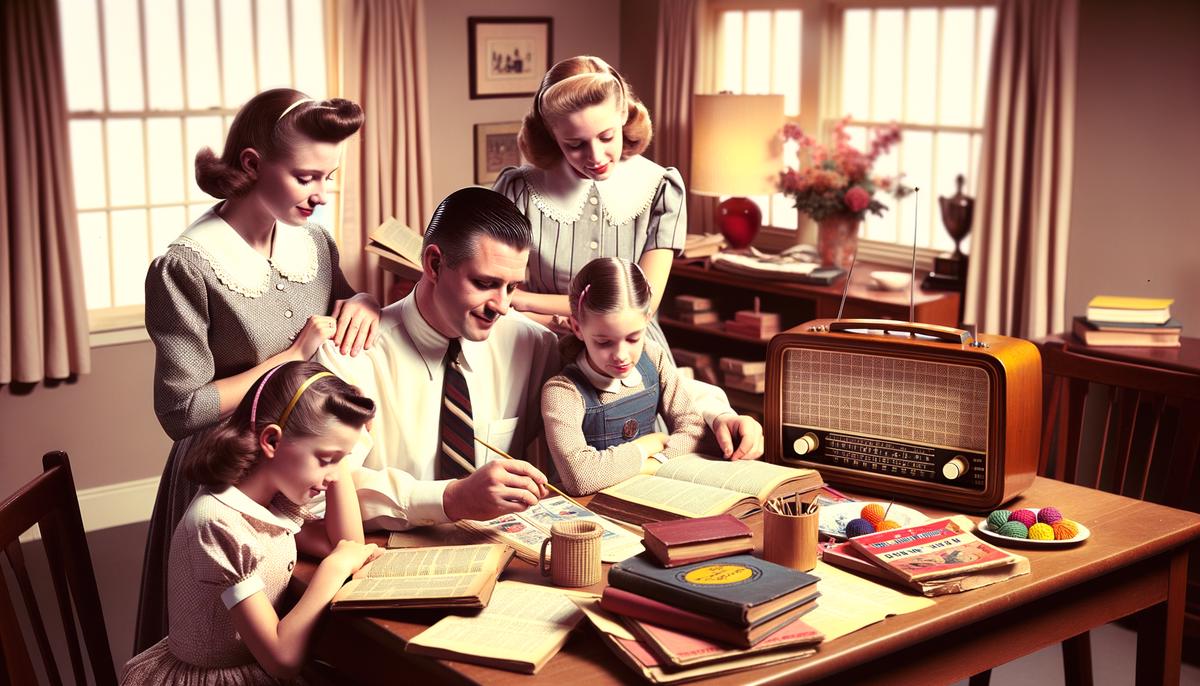
As we reflect on those cherished times, it’s clear that embracing simplicity and resourcefulness remains as relevant today as it was back then. By channeling the spirit of the ’50s, we can find happiness in life’s simple pleasures and carry forward timeless lessons of living well without excess.
- Berkshire Hathaway. Annual Letter to Shareholders. 2008.
- Gates B. Melinda and I are deeply inspired by Warren Buffett’s incredible generosity. GatesNotes. 2017.
- Morgan P. Interview with Warren Buffett. CNN. 2013.